Goan food is the most distinctive cooking on India's west coast, and it rewards anyone who looks beyond the beach shack menu. It draws on Konkani home cooking, centuries of Portuguese influence and the coconut, rice, kokum and chilli that grow along the Konkan coast. This guide explains the dishes to look for, the drinks, and the easiest ways to eat well, using the experiences in our roster.
The everyday plate
The staple is fish curry rice, a tangy coconut and kokum curry with fried fish and rice that most Goans eat daily. Look for it on a plain thali at a local restaurant, often with a fried mackerel or kingfish on the side. Recheado, a red masala paste of chillies, vinegar and spices, is stuffed into fish before frying and is one of the best things to order by the sea. Prawn dishes, squid and crab appear on every coastal menu, and the quality is highest in the dry season when the boats go out regularly.
Portuguese echoes
The Portuguese left their mark in bread, pork and vinegar. Pao, the soft Goan bread, arrives from bakeries each morning and shows up in breakfast plates and street snacks. Sorpotel is a rich pork dish, matured with vinegar and spices, and vindaloo began here as a pork dish marinated in wine vinegar and garlic, a world away from the fiery curries abroad that borrow its name. Chicken cafreal, a green herb and chilli marinade, and xacuti, a dark curry of toasted coconut and many spices, show how the two traditions blended. Vegetarians have a smaller choice, but vegetable curries, dal and coconut-rich preparations are easy to find, so say so early in the meal.
Sweets
Bebinca is the festive dessert, a layered pudding of coconut milk, egg yolks and sugar, baked layer by layer, and it is rich enough to share. Dodol, made from jaggery and coconut, and the Goan coconut sweets and cashew treats sold in bakeries make good gifts. Pastries and cakes in Panaji and Margao bakeries reflect the Portuguese habit of sweet things with tea or coffee.
Feni and other drinks
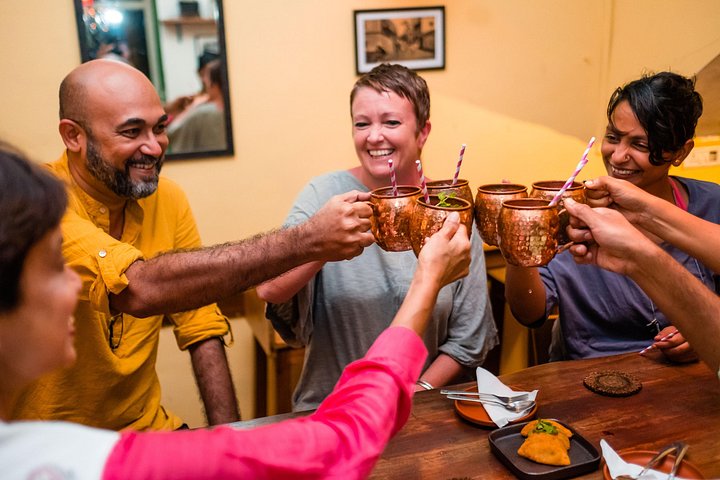
Feni is Goa's signature spirit, distilled from the fruit of the cashew tree or from coconut sap, and it carries a protected geographical indication. Cashew feni is stronger and fruitier, while coconut feni is lighter. Try it neat in a small measure, or mixed with soda, lime or tonic. Beer is the usual companion for shack meals. Keep alcohol moderate under the sun, and check the legal age rules if you travel with teenagers. The Panaji food and feni trail is the easiest guided way to taste a range of dishes and tastings in one evening, led by a local who explains each stop.
Where to eat
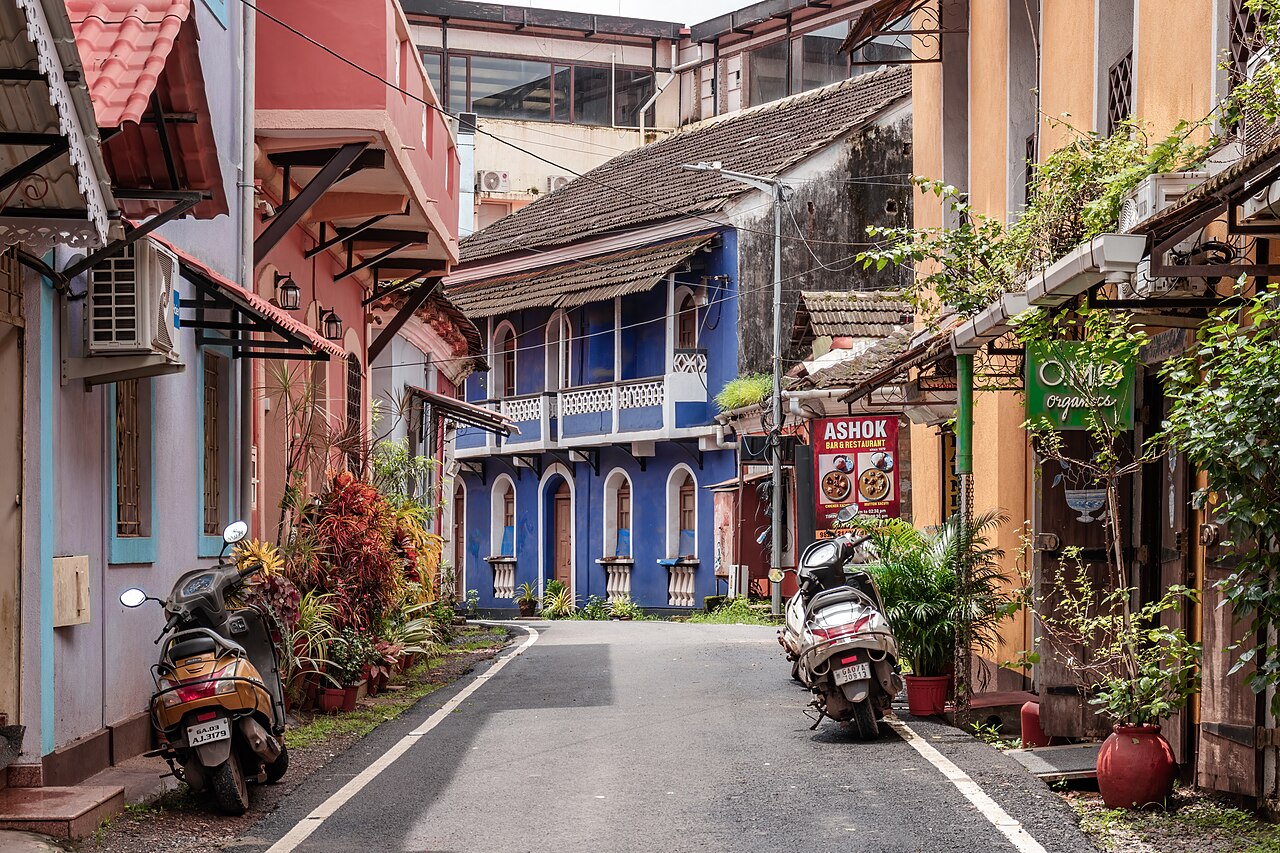
The beach shacks of the north coast serve grilled fish, prawns and simple curries and are best in the dry season from November to February, when most are open. Many close for the monsoon, so do not plan a shack lunch between June and September. For homestyle Goan cooking, head into towns such as Panaji, Margao and Mapusa, where local restaurants and bakeries cater to residents. Markets show the produce: the Margao and Mapusa markets sell fish, spices, cashews and local sweets, and Mapusa is known for a busy Friday market. In Panaji, the Fontainhas lanes have small cafes and restaurants that suit a slow lunch after a heritage walk.
Learn to cook it
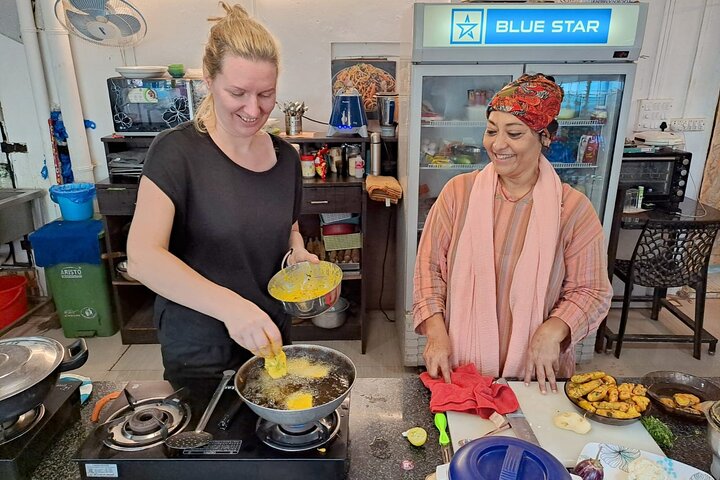
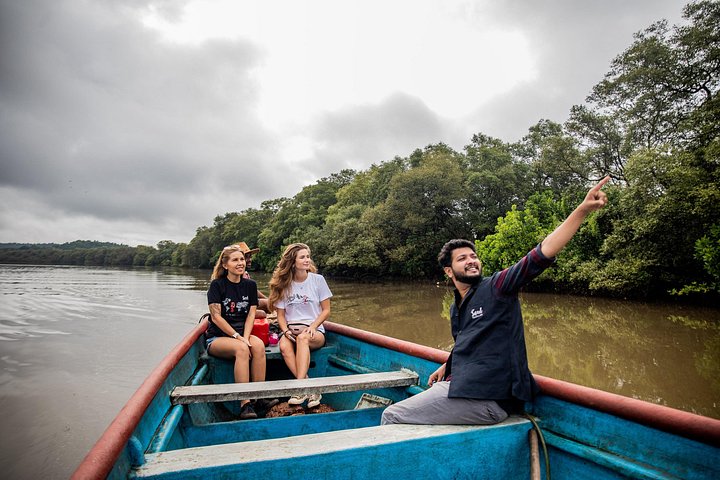
A cooking class is the best souvenir. The three-hour Palolem class has you cook a spread of Indian and coastal dishes and then eat them, and the full-day Chorao Island experience adds a village kitchen and a mangrove-fringed setting. A spice plantation visit in the Ponda hills explains the ingredients themselves, with lunch served in the Goan style. Combined with the food trail, these experiences cover cooking, tasting and learning in three different parts of the state.
Eating well and safely
Choose busy places with a high turnover, drink bottled or filtered water, and be cautious with raw salads and ice if your stomach is sensitive. Spice levels can surprise, so ask for less chilli if needed, and carry cash for small shops and markets. Order the catch of the day if you can, and ask the price of seafood by weight before it is cooked, since shack bills can climb. Hotels in Panaji and Dona Paula suit food-focused trips, since good restaurants are close.