Goa has a strong seasonal rhythm, and the month you choose shapes everything from the price of a room to whether a beach shack is open. The short version is that November to February is the high season, March to May is hot and quiet, and June to September is the monsoon. Each has a case, depending on what you want from the trip.
November to February: the peak
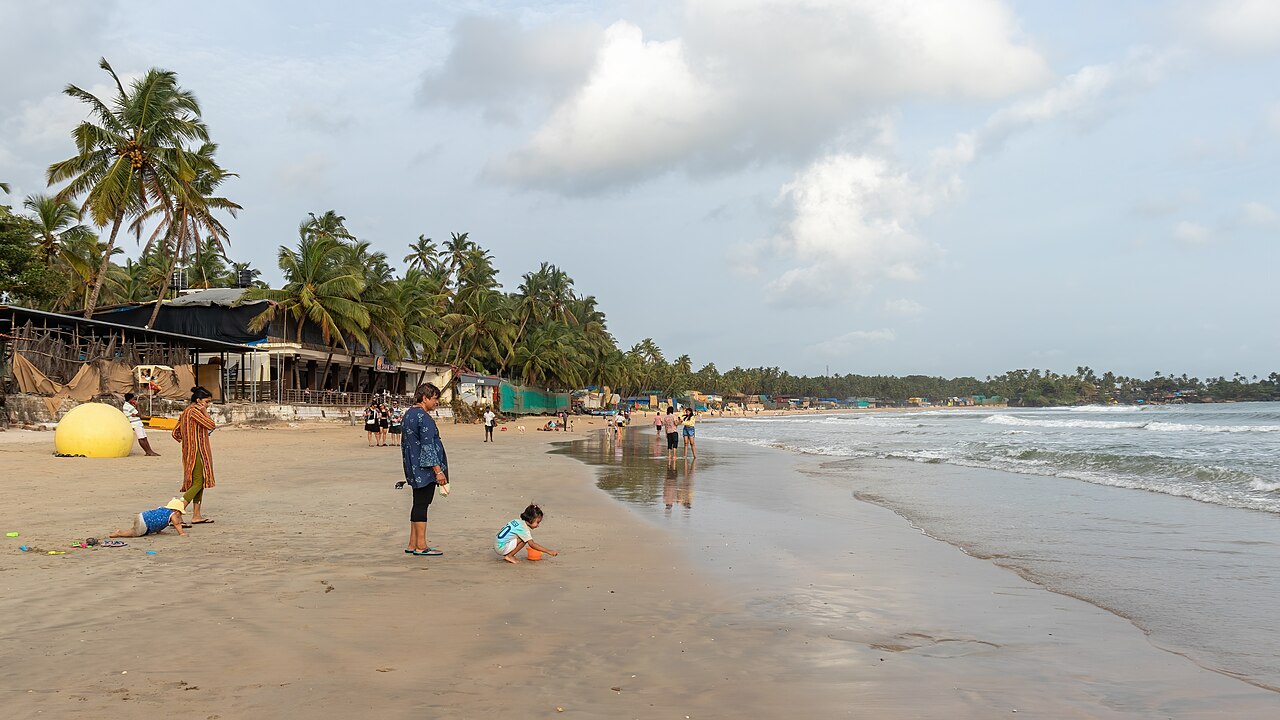
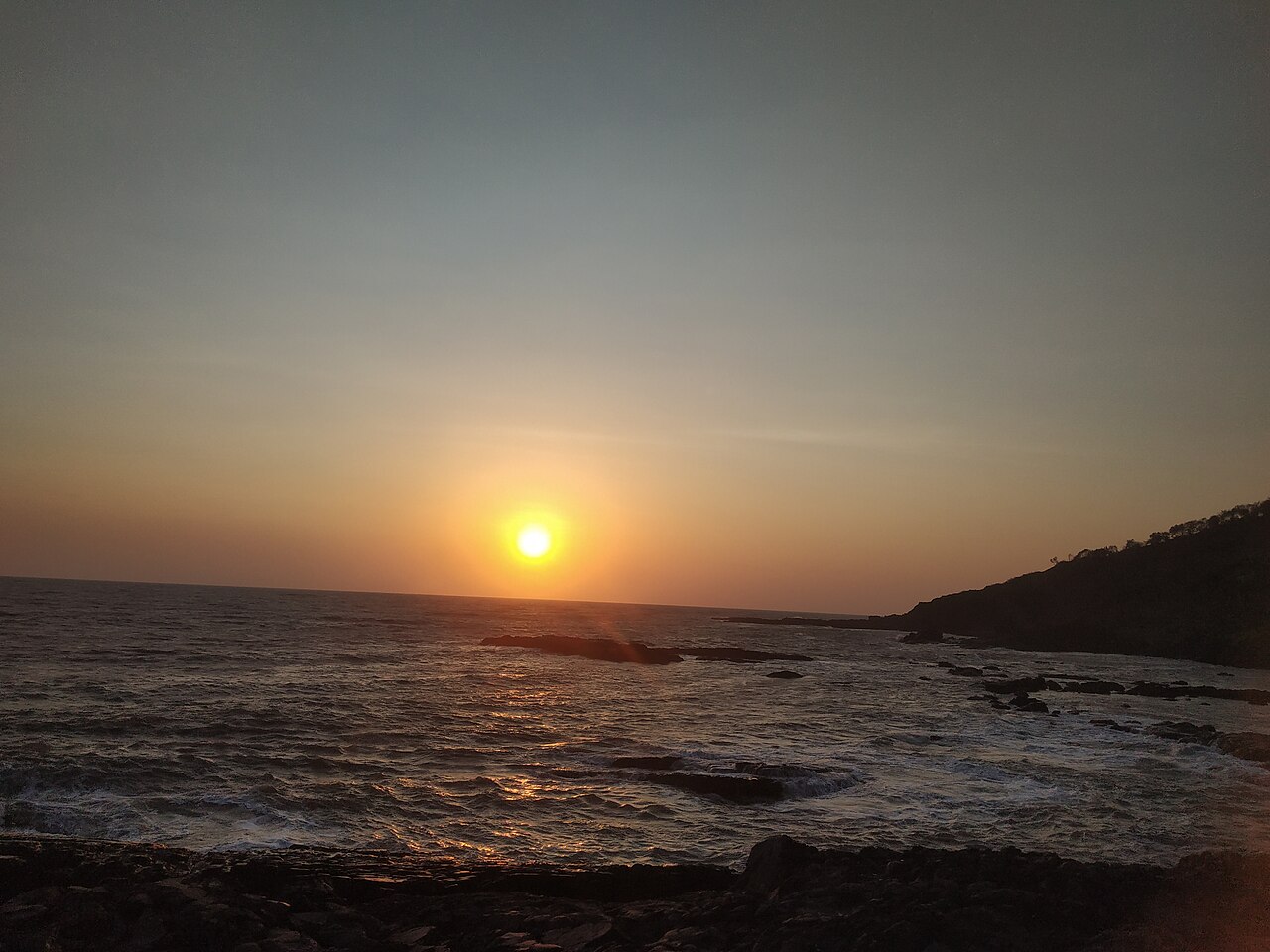
The sea is calm, the skies are mostly clear and days are warm without the oppressive heat of later months. This is when beach shacks open, water sports run, flea markets and festivals take place, and the whole coast feels alive. Christmas and New Year are the busiest weeks, with the highest prices and the biggest crowds, and good hotels fill months ahead. If you can, travel in November or in late January and February for similar weather with calmer beaches and easier bookings. This is the best season for Baga and Calangute, the Wednesday flea market at Anjuna and sunset at Chapora Fort, and it is the standard window for Palolem, when the south coast huts and dolphin trips operate.
Inland sights in the dry season
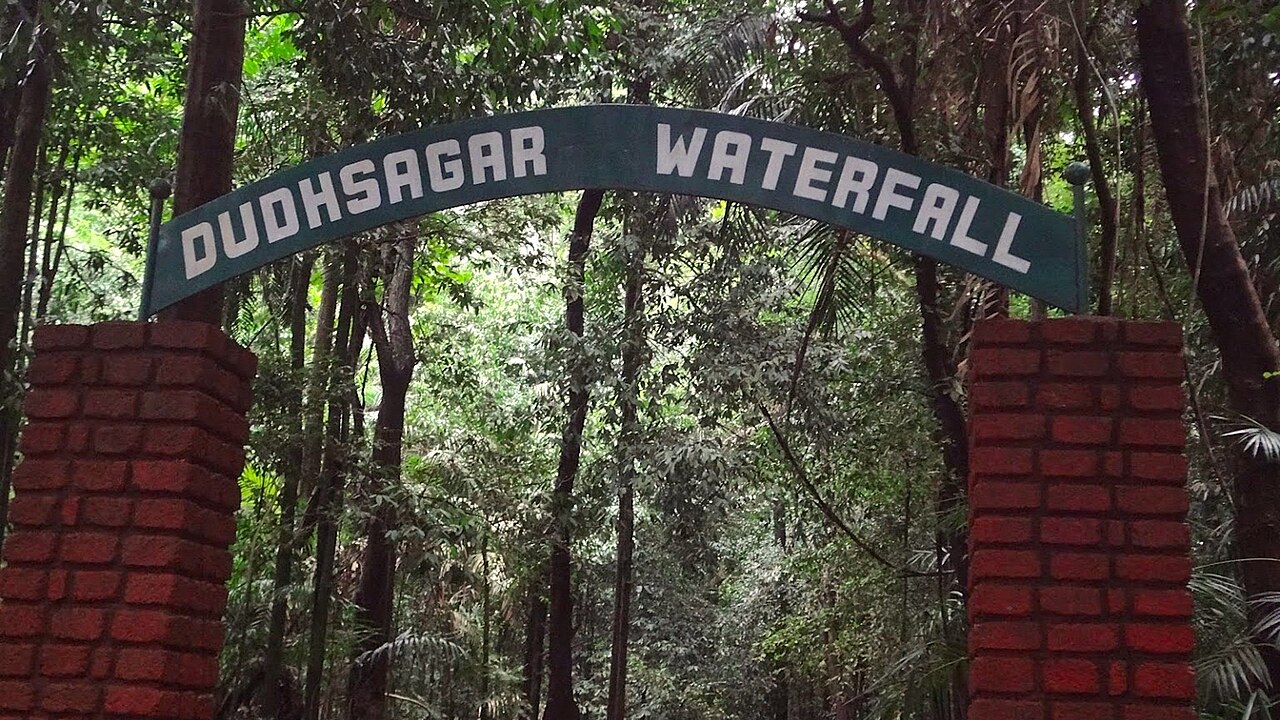
Dudhsagar Falls is a dry-season outing, reached by a regulated jeep ride from Collem. Operations pause during the heaviest monsoon weeks and resume once the rivers calm, typically around early October, so the falls are in strong flow soon after the rains and fade slightly later in the season. The spice plantations in the Ponda hills, Old Goa's churches, the Fontainhas lanes and the river islands are pleasant from November onward, with cooler mornings suited to walking. Book guided heritage walks a few days ahead in peak weeks.
March to May: hot and humid
Temperatures and humidity climb through spring, and by April and May midday outdoors is hard work. Prices drop, crowds thin and many beach shacks begin to wind down by the end of the season. This suits travellers who want a hotel pool, a spa and an early morning beach, and who plan sightseeing for early morning or late afternoon. Indoor and shaded sights such as the Old Goa churches and the Chandor mansion trail are easier than full days in the sun. The sea is still swimmable, though visibility and conditions change as the monsoon approaches.
June to September: the monsoon
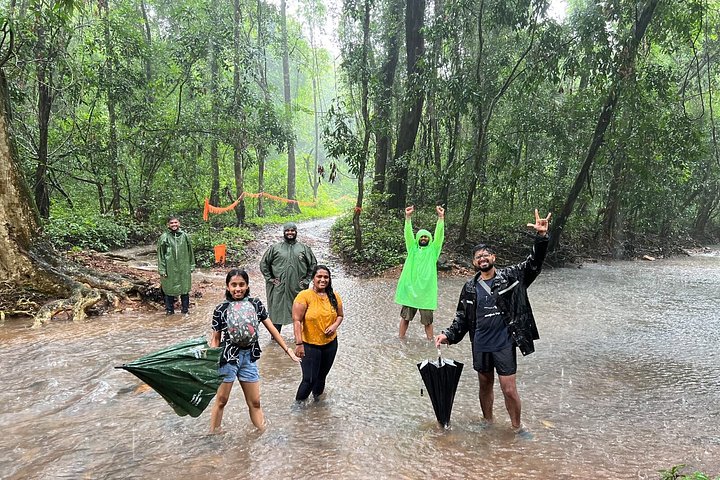
Heavy rain arrives in June and continues through the summer. Goa turns intensely green, waterfalls fill and rates fall sharply, but the sea becomes rough, swimming is unsafe on most beaches, many shacks and water sports close and some boat and ferry services are reduced. It is a season for slow stays, spa breaks and heritage in the rain rather than for beach holidays. The Tambdi Surla monsoon trek, a five to six hour guided walk in the Western Ghats to Goa's oldest surviving temple, runs only in the rainy season, which makes it one of the few experiences timed for these months. Expect delays on roads and carry a light rain jacket and shoes with grip.
October: the shoulder
The rains fade, the countryside is still lush, rates have not yet climbed and the first shacks are rebuilding for the season. It can be humid and showery, and not every shack and boat service is ready, so confirm what is open. Many travellers find it a good value window for sightseeing and resorts rather than for guaranteed beach days.
Festivals and events
Goa's calendar follows the seasons too. Christmas and New Year bring midnight masses, lit-up churches and parties along the coast, which is part of the appeal but also the reason for the highest prices. Carnival, held before Lent in February or March, fills Panaji with parades, music and floats. Shigmo, the spring festival, brings drums and costumed processions to towns in March. The monsoon has its own traditions, including the feast of St John in late June, when villagers jump into wells and streams wearing flower crowns. Dates move each year, so check them when you plan rather than building a trip around a single day.
Packing by season
In the dry months, light cotton, a hat, sunglasses and reef-safe sunscreen cover most needs, with a thin layer for air-conditioned rooms and cooler evenings inland. In the hot months, add a second set of clothes for midday changes and plenty of water. In the monsoon, bring a rain jacket, quick-drying clothes, waterproof bags for phones and passports, and sandals or shoes with real grip, since church steps, laterite paths and fort stones become slippery.
Choosing by trip type
Couples and first-timers who want beaches, sunset forts and nightlife should aim for November to February. Families do well in the dry months, when the sea is gentle and attractions run on schedule. Budget travellers and photographers may prefer the shoulder months. Spa and wellness stays suit the monsoon, and the south coast is quieter in every season than the north. Whichever month you pick, confirm opening seasons for the beach huts, boat trips and excursions you care about when you book, and allow a flexible day in case weather interferes. Pair this with the first-timer and where-to-stay guides to decide where to base yourself.