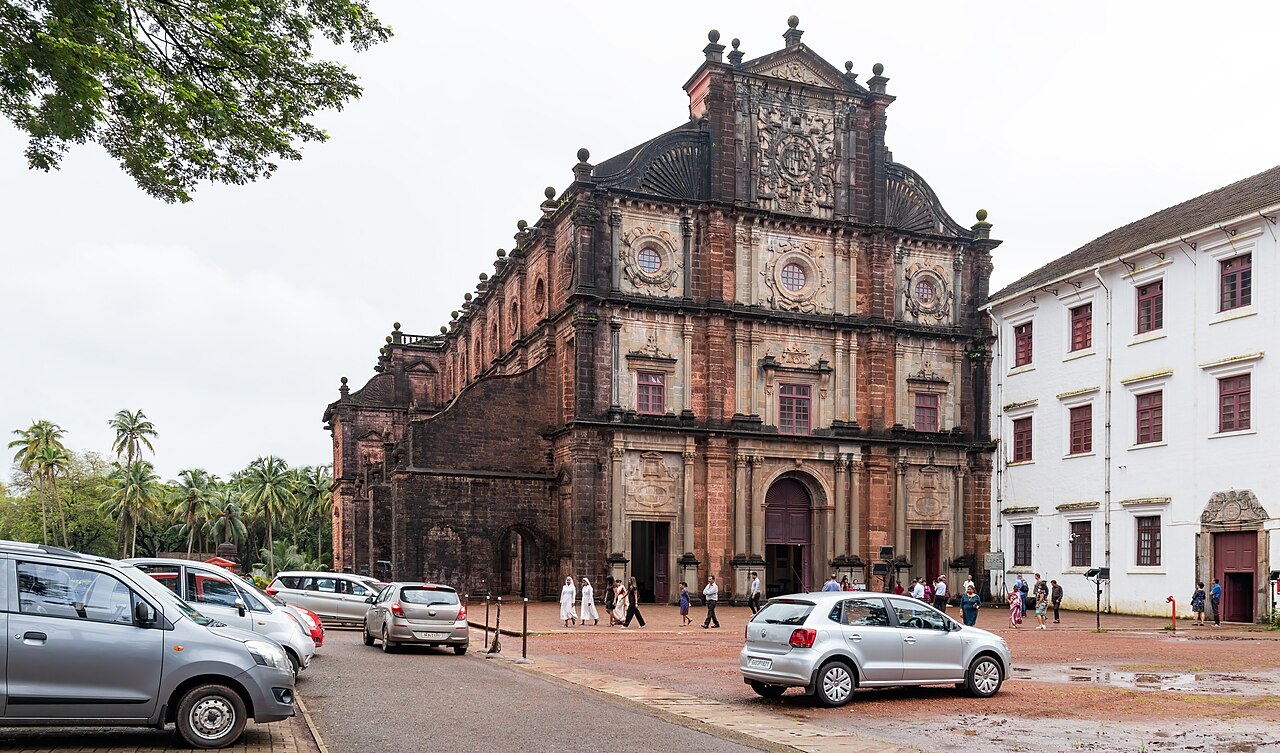
Portugal ruled Goa for around four and a half centuries, until 1961, and the legacy is everywhere once you look beyond the beach: in the churches, the mansions, the street names, the bread and the music. Goa's heritage sights are scattered across the state, so the best way to see them is to group them by area and decide how deep to go. This guide sets out the main strands of Portuguese Goa and a sensible order to follow.
Where the story starts: Old Goa
The Portuguese took Goa in 1510 and made Old Goa their capital, and at its height it was a large and wealthy city, with churches and convents paid for by trade and missionary orders. Most of the city has gone, claimed by disease, the jungle and time, but seven monuments survive as a UNESCO property. The Basilica of Bom Jesus holds the tomb of St Francis Xavier, the Sé Cathedral is among the largest churches in Asia and the Church of St Francis of Assisi has a small museum in its convent. Start here, because everything else makes more sense once you have seen what the capital looked like. A guided walk adds names, dates and context that the site's light signage does not.
The Latin Quarter: Fontainhas
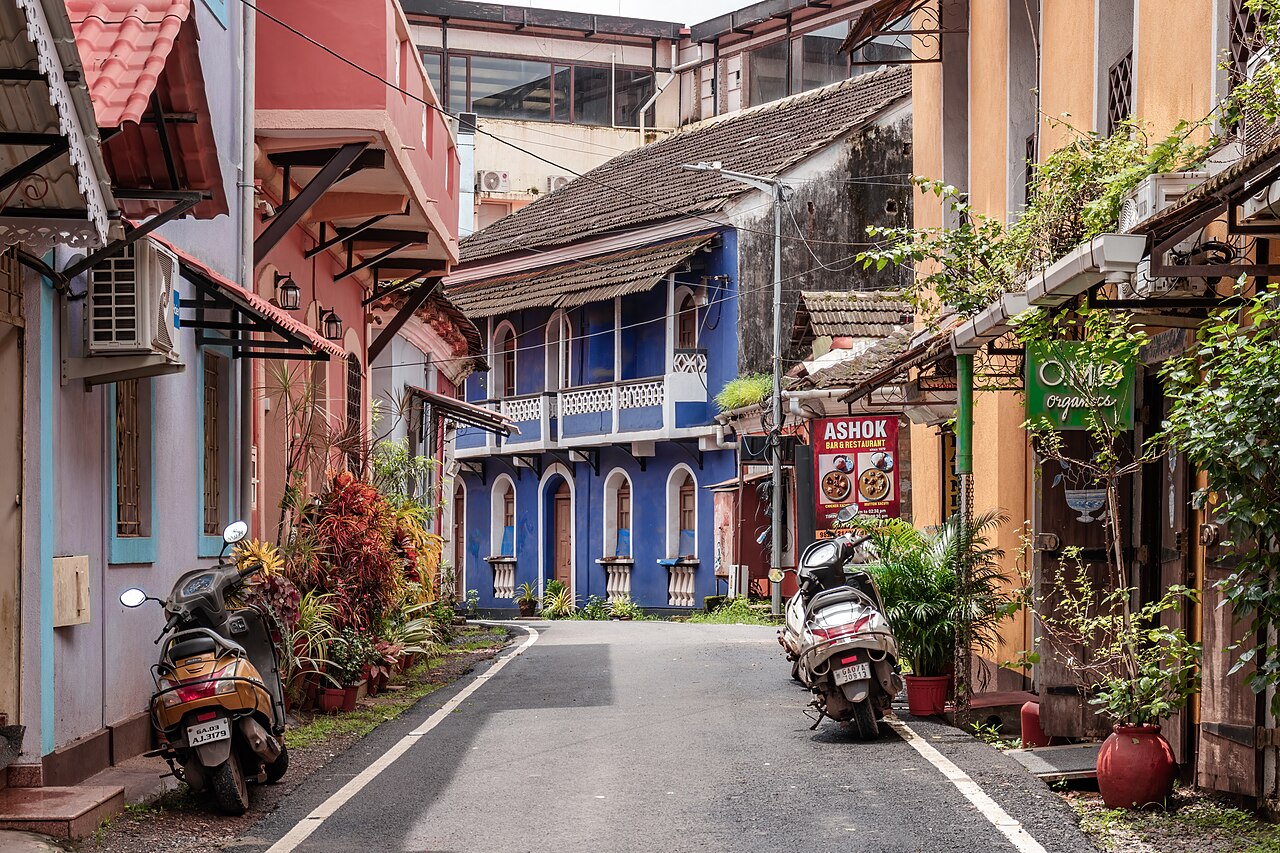
In Panaji, Fontainhas is a hillside neighbourhood of narrow lanes, balconies, tiled roofs and houses painted in yellow, ochre, blue and green. It grew in the nineteenth century around the little Chapel of St Sebastian, and still has the feel of a Portuguese town. A guided walk of a couple of hours explains the house styles and the families who lived in them, and the neighbourhood has cafes, bakeries and small galleries for a long lunch. People live here, so keep voices low, ask before photographing doorways and avoid blocking the lanes.
Village mansions: Chandor and the south
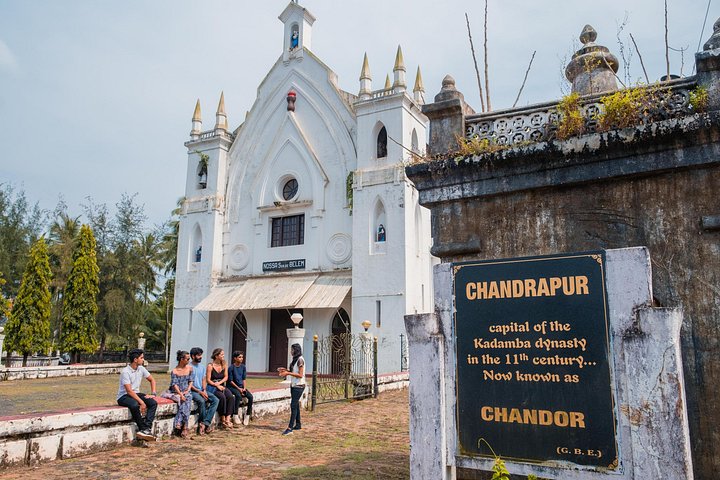
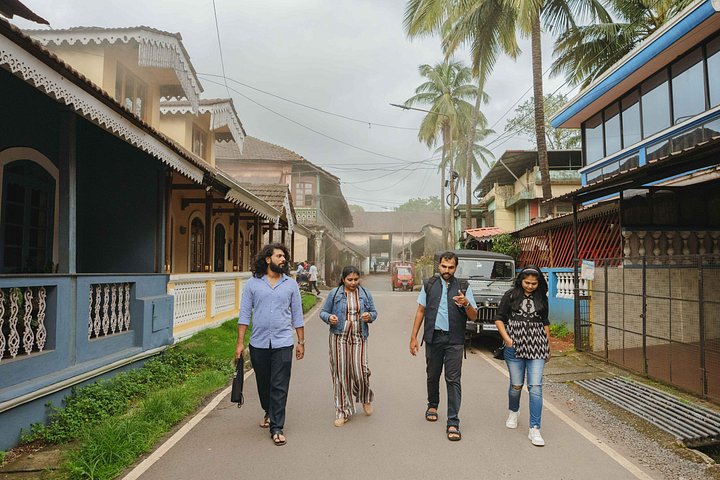
Inland from the coast, the village of Chandor shows how the wealthy lived. The Menezes Braganza house is a vast Indo-Portuguese mansion with a great hall, carved furniture, chandeliers and family chapels, still partly occupied by descendants of the original owners. A heritage trail there takes about two hours and also visits village churches. Margao, the main town of the south, adds a different layer, with grand old houses, churches, a market and a quarter that reflects the trading families of the region. Together they are the best answer to the question of what Goa was like before tourism.
Islands and quiet corners
The river islands of Divar and Chorao are small worlds of paddy fields, chapels and village lanes reached by ferry or boat. Divar is known for its Our Lady of Piety church on the hill, its feast-day traditions and the slow pace of life, and a guided visit shows hidden heritage that most tours skip. Chorao adds a bird sanctuary and a village kitchen. Both reward visitors who want to see Goa at walking speed.
Forts of the coast
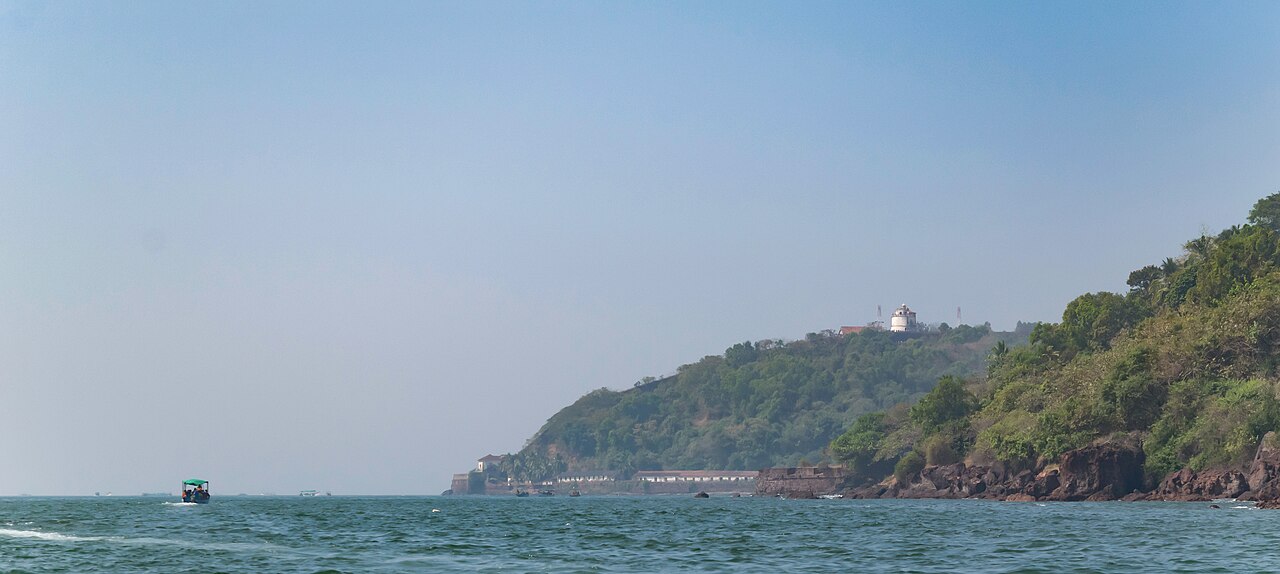
Portuguese power also left a line of forts. Fort Aguada, built in 1612 above Sinquerim, guarded the entrance to the Mandovi with a lighthouse and a long rampart, and its views along the coast are the draw. Chapora Fort, a ruined laterite fort above Vagator, was built on an earlier foundation and gives a sunset viewpoint over the sea. They are best late in the day, when the heat eases and the light improves, and the paths are rough in places, so wear shoes with grip.
Food, language and everyday life
Heritage is not only stone. Goan Catholic cooking carries Portuguese ideas, from pork dishes cured with vinegar to soft bread and sweet layered cakes, and a food trail through Panaji tastes the same history. Portuguese surnames are common, church feast days are lively community events, and the fado-influenced music known as mandó survives at weddings and festivals. Joining a cooking class or a food tour is one of the easiest ways to understand the culture behind the buildings.
How to see it in order
A first heritage day could run: Fontainhas in the morning, lunch in Panaji, then Old Goa in the afternoon. A second day could be Chandor and Margao in the south, with a spice plantation lunch on the way. A third could be a river island and a fort at sunset. Three days is generous, and a single day with Old Goa and Fontainhas gives the essentials. Stay in Panaji for the first two, or at a south-coast resort for Chandor and Margao.
Practical notes
Churches are active places of worship, so cover shoulders and knees, remove shoes only where asked and keep your voice down during services. Many sights keep daytime hours and some close for a rest in the middle of the day, so check before you go. Carry small notes for donations and entry fees, drink water and avoid the midday heat where you can. The best months for walking are November to February, when mornings are cool and the lanes are dry.