Gothenburg is the seafood capital of Sweden, a city where shrimp, mussels and salmon arrive from the nearby coast and where coffee breaks are treated as a cultural institution. Here is how to eat well without spending too much.
Fika, the daily pause
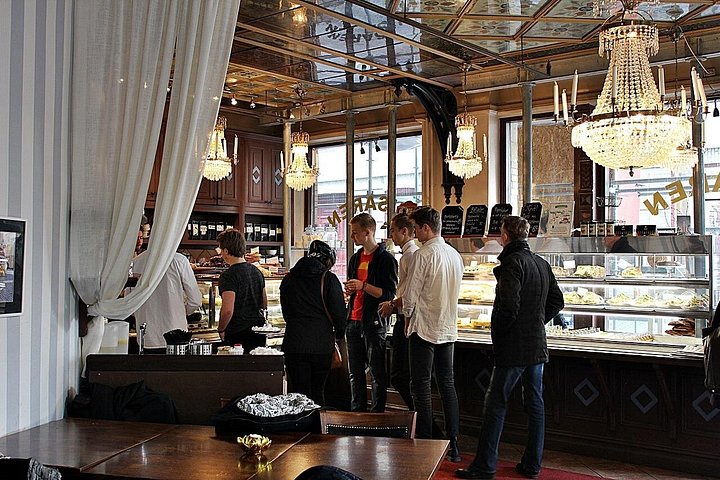
Fika means coffee with something sweet, usually shared and always unhurried. Order a cardamom bun, a cinnamon roll or a slice of cake with filter coffee, and sit. In Haga, the famous cinnamon bun is the size of a plate and meant for sharing. Most cafes close earlier than you might expect, so plan fika for mid-morning or mid-afternoon.
Market halls
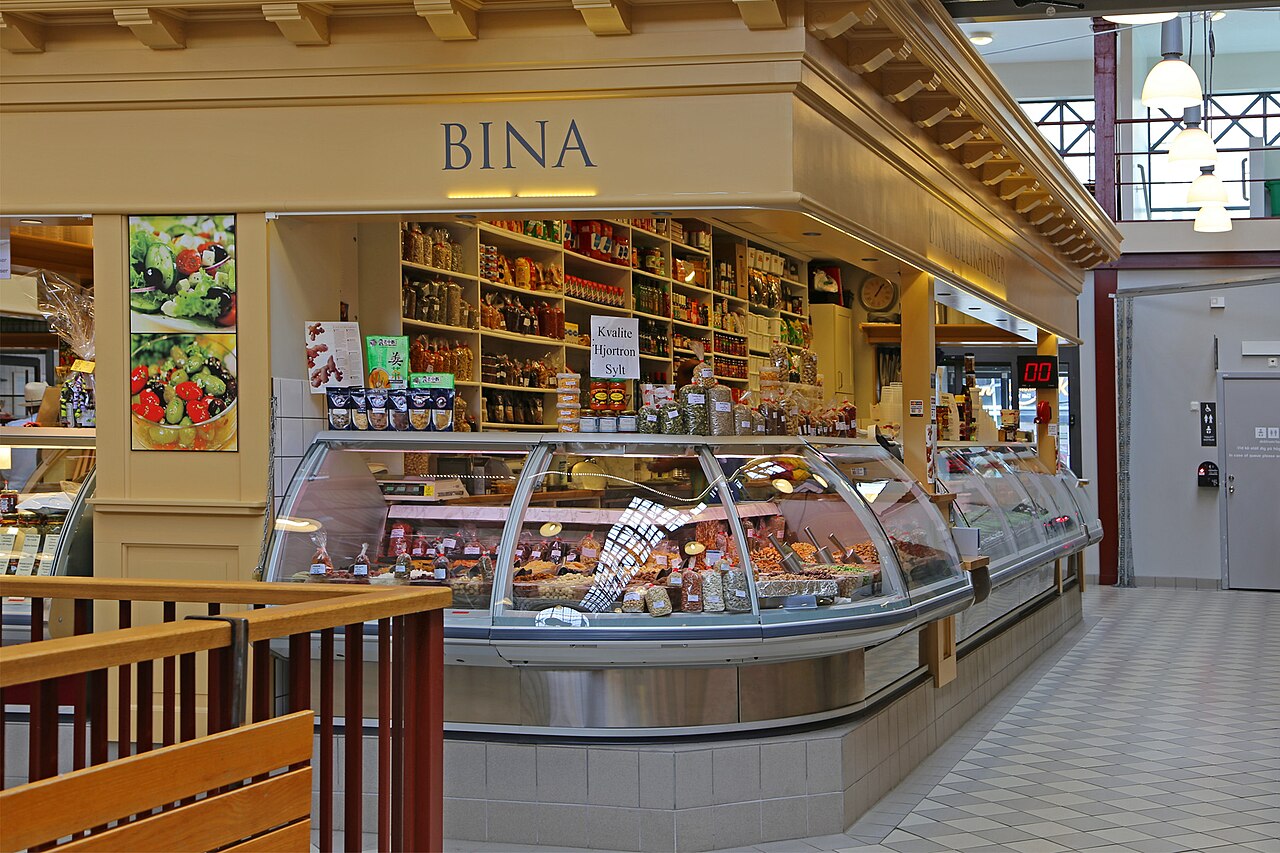
Saluhallen at Kungstorget, open since 1889, is the best all-round food stop: cheese, smoked meats, bread, pastries and small restaurants under a cast-iron roof. Lunch here is relaxed and good value. Feskekôrka, the fish church, is the seafood counterpart, with stalls and restaurants serving fish soup, shrimp and smoked salmon. Check opening days, since Swedish market halls often close on Sundays or Mondays.
Seafood to try
West-coast shrimp on bread with mayonnaise, eaten with lemon, is the classic. Skagen toast, made with prawns, dill and mayonnaise, is the elegant version. Fish soup, gravlax with mustard sauce, smoked salmon and herring in several marinades are all worth trying. In season, look for oysters and langoustines from the Bohuslän coast, and in late summer, the crayfish parties, which are social events as much as meals.
Everyday lunch
Many restaurants serve a dagens rätt, or dish of the day, on weekdays at a fixed price that includes bread, salad and coffee. It is the best-value meal in Sweden and a good way to eat at nicer places for less. Look for chalkboards outside restaurants between about 11 and 2.
Dinner and drinks
Avenyn has the most choice but also the highest prices and variable quality. Walk a block or two to the Linné and Haga districts for local favourites, or try Vasastan for neighbourhood bistros. For a special evening, the city has several well-regarded restaurants, including the one at Dorsia Hotel & Restaurant. Book ahead on weekends. Craft beer and gin are strong local scenes, with small breweries and distilleries offering tastings.
Dietary needs
Vegetarian and vegan options are widely available, and most staff speak English. Allergy labelling is clear in supermarkets and good in restaurants, but always ask.
Budget tips
Take the lunch deal, share a Haga bun, shop for picnic food at Saluhallen and use the tap water, which is excellent. Tipping is not required, though rounding up is common for good service.
A food day
Start with coffee and a bun in Haga, walk to Feskekôrka for a seafood lunch, take the Paddan boat in the afternoon, then finish with dinner in the old town. It is an easy, delicious way to see the city.
Drinks and the evening scene
Gothenburg has a lively craft beer culture, with local breweries and bars pouring pale ales, lagers and seasonal brews, often in relaxed rooms where staff will happily let you taste before you choose. Gin and whisky have their own followings, and tasting experiences at small distilleries offer a different way to spend an afternoon. Wine bars have grown across the centre, serving small plates that suit a shared dinner. Alcohol is sold in state shops for take-home purchases and in bars and restaurants for drinking on the premises, and prices are higher than in much of Europe, so a lunch beer is an occasional treat rather than a habit. Non-alcoholic options such as good coffee, elderflower cordial and craft sodas are widely available.
Seasonal specialities
In spring, look for rhubarb desserts and the first new potatoes. Summer brings strawberries, crayfish parties and fresh herring. Autumn means chanterelles, game and apple cakes. In December, saffron buns for Lucia, gingerbread, mulled wine and the traditional julbord buffet appear on menus, and booking is essential for the buffet. Each season changes what is on the market stalls, so ask what is best that week.
Where to look next
Wander the Linné streets for bakeries and bistros, check the cafe courtyards around the old town for quiet lunches and ask your hotel for the neighbourhood spot that locals actually use. Seasonal pop-up stalls and food trucks appear in parks and squares in summer, and they are an easy way to taste local snacks without a reservation. Wherever you eat, take your time: meals in Sweden are rarely rushed, and the bill is brought only when you ask for it.