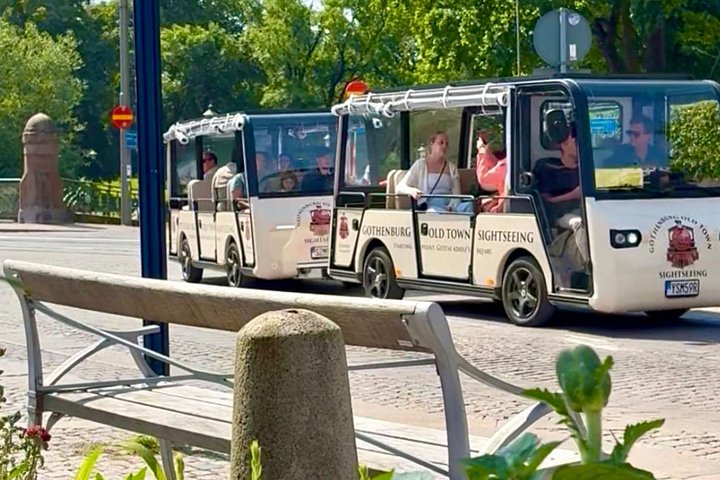
Gothenburg rewards a slow pace. The city is compact, the trams are easy and the best experiences combine water, food and walking. Three days is enough to see the essentials without rushing, and the plan below leaves room for weather changes, which matter on the west coast.
Before you go
Decide which season you are travelling in, because it changes the plan. Boats, the fortress and the island ferries run most fully from late spring to early autumn, while winter favours museums, market halls and the Christmas market at Liseberg. Buy a transit ticket on the local app or at a machine on arrival, and book anything timed, such as an evening at the Opera, in advance.
Day one: the old town and the water
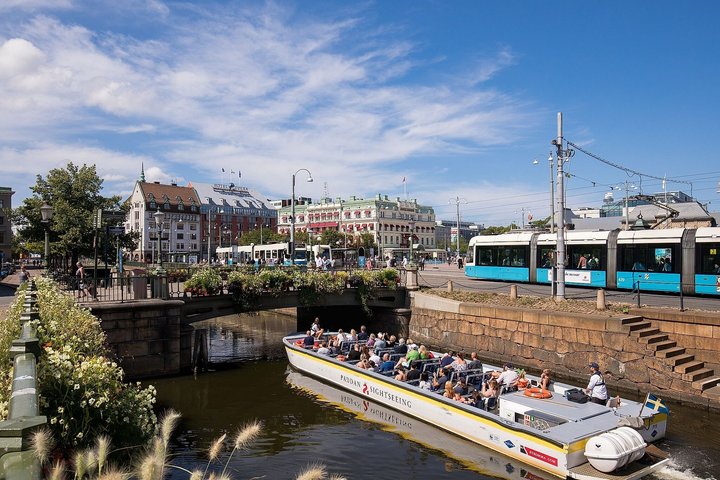
Start in the morning with the old town walk, taking in Gustaf Adolfs torg and the Kronhuset courtyard, then drop into Saluhallen for coffee and a lunch of open sandwiches or fish soup. In the afternoon, board the Paddan canal boat for an hour on the moat canals and out into the harbour. It is the best orientation you can get, and the commentary links the sights you have seen on foot. For dinner, walk to the Linné area or along Avenyn and choose a side-street restaurant for better value.
Day two: Haga and the green side
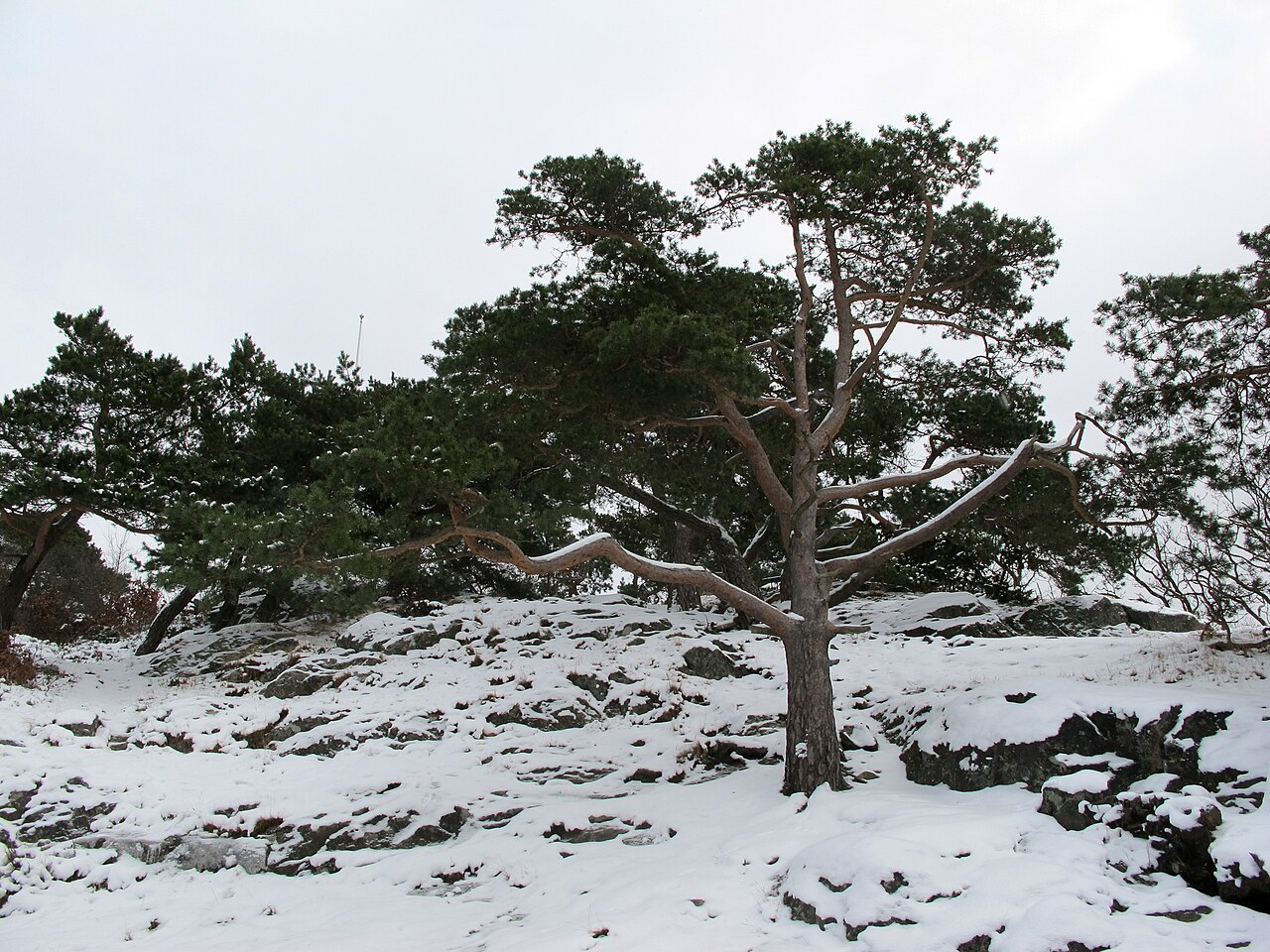
Begin with a Haga bun and coffee on Haga Nygata, then browse the vintage shops and climb to Skansen Kronan for a view of the rooftops and the harbour. Walk or tram to Slottsskogen for a picnic from the market hall, and meet the moose and seals in the free animal park. If you still have energy, continue to the Botanical Garden for the rock garden and greenhouses. In the evening, try a fish restaurant near Feskekôrka or an early dinner before a show at the Opera.
Day three: the archipelago
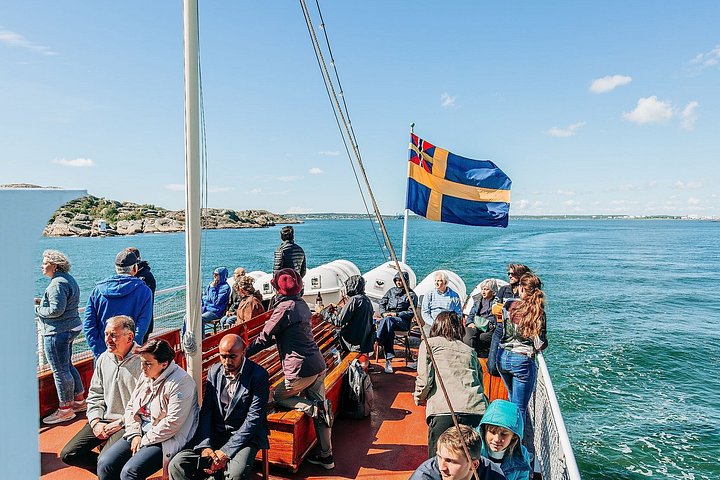
This is the day that makes the trip. Take tram 11 to Saltholmen and board a ferry to Brännö, Styrsö or Vrångö. Bring swimwear, a layer, water and a snack, and pick one island to explore at your own speed. Have a long lunch by the harbour, swim from the rocks if the weather is kind and return on a late-afternoon ferry with the skyline ahead of you. In shoulder seasons, the islands are quiet and atmospheric even if swimming is off the menu.
Swap-ins for different tastes
Families can replace part of day two with Universeum and Liseberg, which easily fill a day together. Culture seekers can swap the Botanical Garden for the Gothenburg Museum of Art and a stroll down Avenyn. History fans can add the Maritiman museum and the Nya Älvsborg fortress, while thrill seekers can spend a full day at Liseberg in summer. A city pass can help if you plan several paid entries a day, but only if you will truly use it.
Weather backup
The west coast is changeable. On wet days, swap outdoor plans for the art museum, Universeum, the market halls and a long fika. Keep the archipelago day flexible, and check the forecast the morning of the trip.
Getting around
The centre is walkable, and trams cover everything else. Buy a day ticket if you plan several rides. For late returns from the islands, check the last ferry time before you set out. With this plan you will have seen the heart of the city, tasted its food and felt its sea air in three unhurried days.
Time and money notes
The plan above costs less than most Scandinavian city breaks because the best parts are cheap: the archipelago ferry, the parks, the market halls and the walking routes cost little or nothing beyond a transit ticket. Spend where it counts: the Paddan boat, one museum or show, and a good seafood meal. Eat the weekday lunch special rather than dinner at a boulevard restaurant, and use the hotel breakfast to cover the first meal of the day. If you are short of time, merge days one and two by walking the old town in the morning, riding the Paddan at noon and spending the afternoon in Haga, then keep the full third day for the islands. If you have a fourth day, add Liseberg, Universeum or the Vinga lighthouse trip, depending on the season and the ages in your group. Whatever you choose, build in margin, because the pleasure of Gothenburg is in lingering over a coffee, a view or a conversation, not in ticking sights off a list.
Evenings
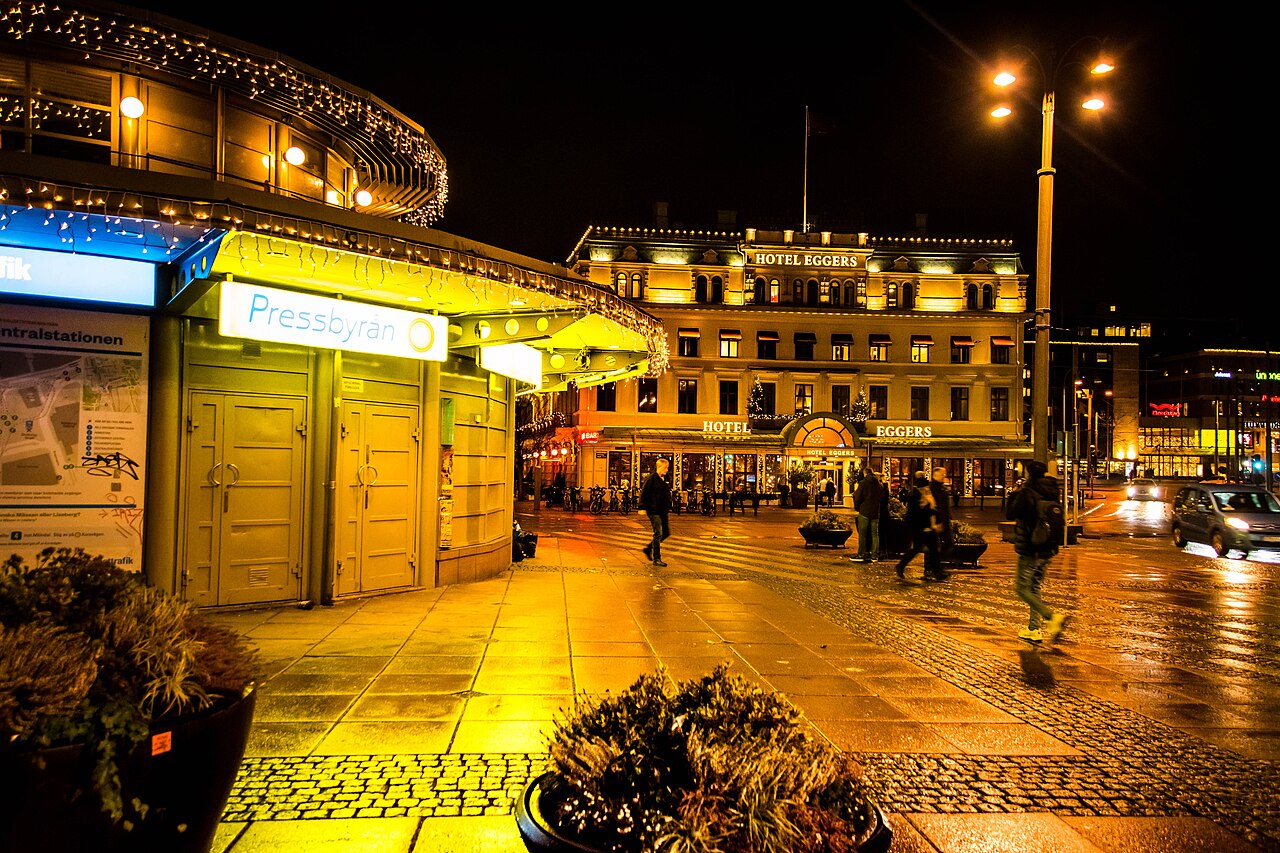
After dinner, a walk along the canal or the harbour at dusk shows the city at its calmest, and in summer the light lasts so long that you can plan a late stroll or a ferry ride after supper.