Gothenburg works year-round, but the best time depends on what you want. Summer brings long days and boats, winter brings lights and cosy interiors, and the shoulder months give quiet streets and good prices. Here is how the seasons compare.
Summer: June to August
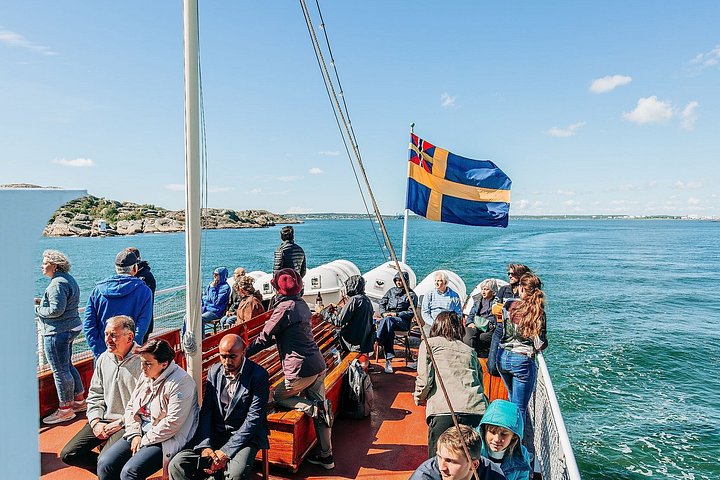
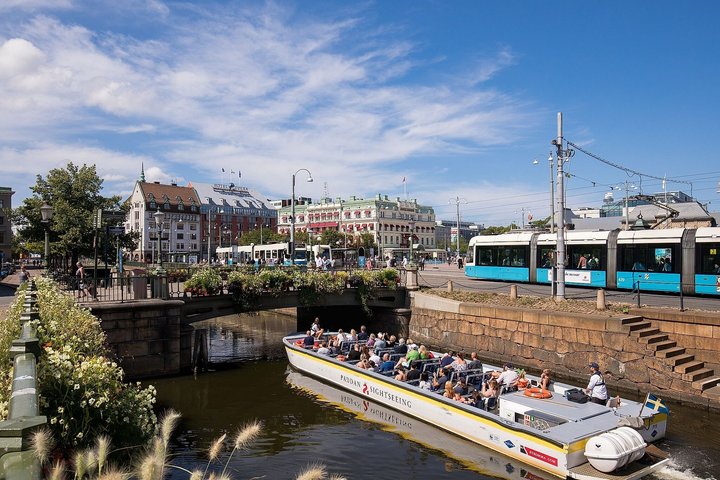
This is peak season. Days are long, with light lasting past ten in the evening around midsummer, and everything is open: boat tours, island ferries, outdoor terraces and the Paddan. Temperatures are usually pleasant rather than hot, and the water is cool but swimmable. Crowds are manageable, though Liseberg and popular ferries are busy on weekends. Book hotels and boat tours early, and carry a light jacket for evenings on the water.
Autumn: September to November
Early September is often sunny and calm, with fewer visitors and reduced boat schedules. October brings colour in the parks and Halloween at Liseberg, while November turns grey, wet and quiet. It is a good time for museums, market halls and cafes, and hotel prices can be low. Pack waterproofs.
Winter: December to February
The Christmas market at Liseberg is the headline, with lights, stalls and mulled wine, and the city is decorated throughout. January and February are cold, dark and quiet, with short days; the pay-off is empty museums and cosy cafes. Island ferries still run but boat tours mostly pause. Dress in warm layers, waterproof boots and a hat.
Spring: March to May
Spring arrives gradually. March can still feel wintry, while April and May bring blossom in the parks, longer days and the start of the boat season. The Botanical Garden is at its best with flowers and rock garden colour. Prices are moderate, and crowds are thin. Check when seasonal attractions reopen.
Weather in general
The west coast is changeable, with wind and showers in any season. Layers, a waterproof jacket and comfortable shoes are essential. Check the forecast daily and keep flexible plans, swapping outdoor days for museum days as needed.
Events and crowds
Big fairs, concerts and festivals raise hotel prices, especially around the exhibition centre and Liseberg. Check the events calendar before booking. Midweek stays are generally cheaper than weekends.
Which season for which trip
Families and swimmers: June to August. Couples and photographers: May, June or September. Christmas lovers: December. Budget travellers and museum fans: late autumn or early spring. Archipelago and boat fans should avoid winter, as services are reduced.
Booking tips
Reserve hotels two to three months ahead for summer and December. Buy Liseberg and boat tickets online in advance. Keep rates flexible if the forecast matters to your plans. Whenever you go, Gothenburg is welcoming, walkable and well organised.
Daylight and what to wear
Daylight changes dramatically through the year. In midsummer the sun sets very late and rises early, which gives you long days for boats and islands, while in December the sun sets in the middle of the afternoon, so plan indoor activities and lantern-lit evenings. In spring and autumn, days stretch or shrink quickly, so check sunset times when planning a boat trip or a hike. Pack layers in every season: a base layer, a warm mid-layer and a windproof, waterproof shell cover most conditions, and a small umbrella helps in the city. Comfortable waterproof shoes beat fashion on cobbled streets.
A note on shoulder seasons
Many visitors discover that May and September give the best balance, with decent weather, fewer people and open attractions. In May the parks are fresh and the evenings long, and in September the sea is still mild after summer and the light is soft. If you can travel then, you will likely find lower hotel prices than in July and a calmer pace on trams, in cafes and on the ferries. Check the opening schedules of seasonal attractions before you go, since a few reduce their days at the edges of the season.
Final advice
If you can only pick one window, choose late May to mid-September for the full range of boats, islands and terraces, or December for the lights and cosy atmosphere. Whichever you pick, stay flexible with the weather, keep a rainy-day list of museums and cafes, and remember that a good coat solves most problems. The city is rarely overcrowded, and its pace suits both lively and relaxed trips.