Gothenburg is one of the easiest big cities in Europe to visit with children. Distances are short, trams are frequent, and the headline attractions are designed with families in mind. This guide pulls together the best of them and shows how to pace the days.
Liseberg, the anchor
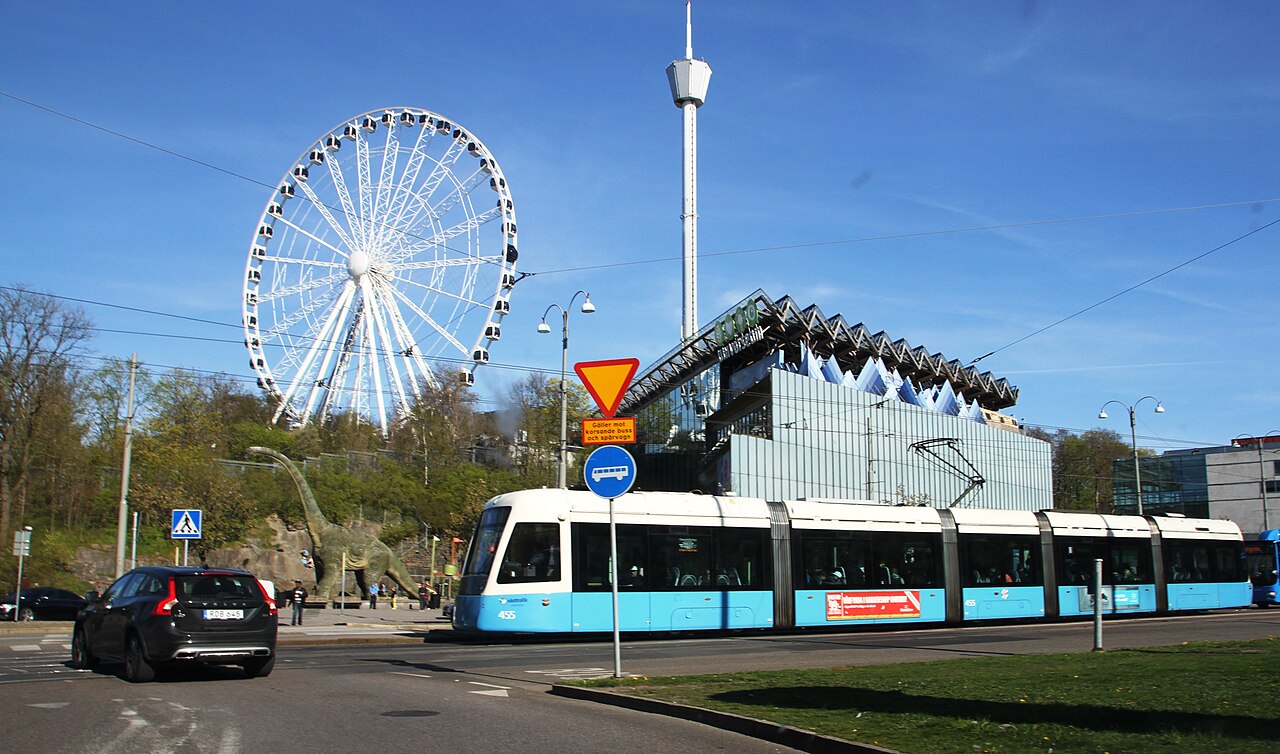
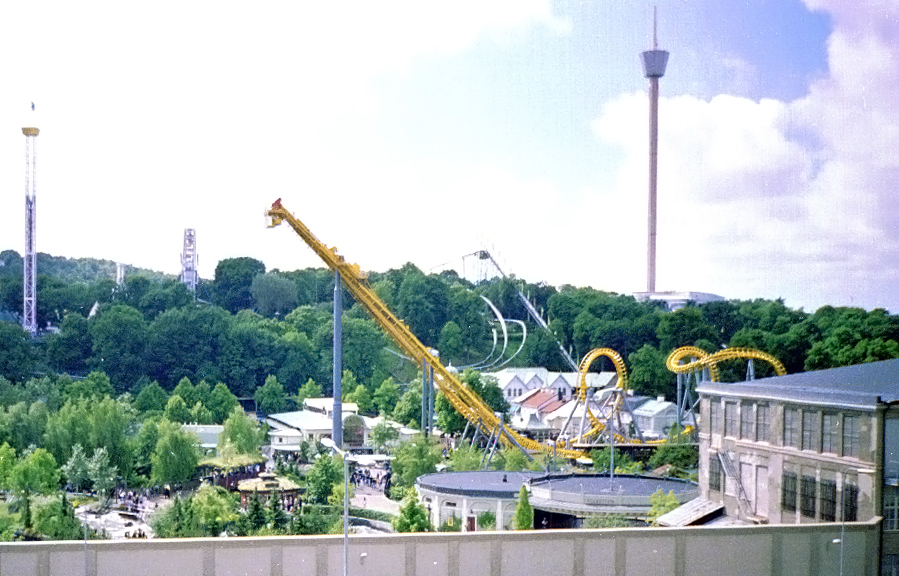
The amusement park is the family highlight, with big coasters for older children and a themed area for little ones. It runs in seasons, with a summer period, Halloween and a Christmas market, so check dates. Buy tickets in advance, ride the headline coasters first and save the gentle rides for later. In winter, the lights and treats make it a magical evening even with few rides running.
Universeum, the rainy-day hero
Next door, the science centre has a tropical rainforest, an aquarium, reptile areas and hands-on science. It is excellent for toddlers to teenagers, and you can spend half a day or more. Many families combine Liseberg and Universeum on separate days to avoid fatigue.
Animals and open space
Slottsskogen park has a free animal park with moose, seals and penguins, plus playgrounds and lawns for picnics. The Garden Society has a butterfly house and a pond, and the Botanical Garden has space to run. These are free or low-cost fillers between the big attractions.
On the water
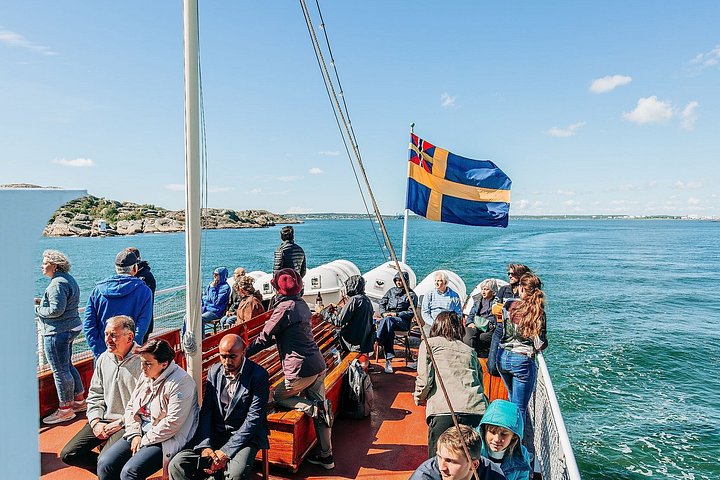
The Paddan boats, with their low bridges, are a hit with children, and the hop-on hop-off boat offers flexibility. Older children and teens may enjoy the self-drive electric boats. For a bigger adventure, the southern archipelago has swimming rocks and car-free lanes where kids can roam, and the ferry ride is an attraction in itself.
Ships and history
Maritiman, the floating museum, lets children climb aboard a submarine and a destroyer. It suits ages six and up; the ladders and tight spaces are not stroller-friendly. The Nya Älvsborg fortress, reached by boat, adds cannon and ramparts for older children.
Food with kids
Fika is a family event, with buns and hot chocolate. Market halls offer easy lunches with plenty of choice, and many restaurants offer children's menus. Swedes are relaxed about children dining out, so you will find high chairs and space.
Getting around
Trams and buses are stroller-friendly, and children travel free or at reduced fares on many tickets; check the current rules. Most attractions have lifts, ramps and baby-changing areas.
A sample plan
Day one: the Paddan and the old town. Day two: Liseberg. Day three: Universeum in the morning, Slottsskogen in the afternoon. Day four: an island day with a picnic. Keep one flexible day for weather.
Where to stay
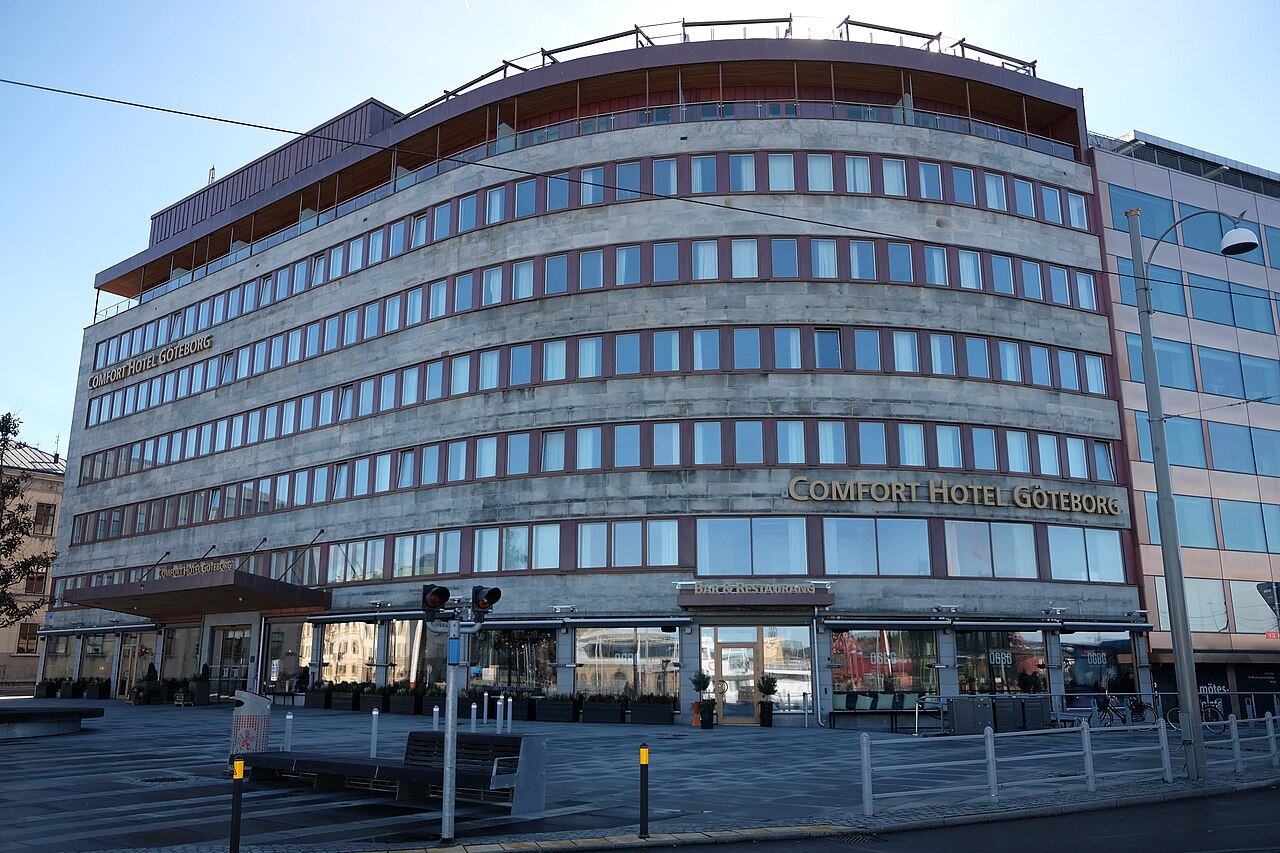
Gothia Towers, opposite Liseberg, is the easiest family base, with family rooms and quick access to the tram. Scandic Rubinen and Comfort Hotel Goteborg offer value in the centre.
Rainy-day and cold-day backups
If the weather turns, Universeum is the top choice, followed by the art museum, which often has family trails, and the market halls, where children can watch food being made and pick snacks. Indoor playgrounds and swimming pools in the city are options for a high-energy afternoon, and the Garden Society glasshouses give a warm tropical pause. In winter, wrap up and visit Liseberg for lights, hot chocolate and gentle rides, or take a ferry to an island for a brisk walk and a warm cafe. Carry spare socks, a snack and a charged phone, and you can handle most changes of plan.
Practical family tips
Public toilets and baby-changing rooms are easy to find in museums, shopping centres and attractions. Restaurants are used to families, and many have children's menus and play corners. Pharmacies are common in the centre, and tap water is safe and excellent, so bring refillable bottles. Many attractions offer reduced prices for children or family tickets, and some are free for the youngest. Booking timed tickets online avoids queues, which matters most when children are tired or hungry. Above all, keep the schedule light: one big attraction and one small treat a day is plenty for most families.
Tips for tired legs
Pace the day with a morning highlight, a long lunch, a quiet afternoon at a park or museum and an early dinner. Use trams to save little legs, bring a light stroller or carrier for toddlers on cobbled streets, and keep snacks in your bag. Children often enjoy simple things most, such as feeding ducks, riding a ferry or choosing a bun, so leave room for improvisation, and your trip will feel more like a holiday than a schedule.