Gran Canaria rewards travellers who leave the beach for a day or two. Away from the resorts are old towns with cobbled streets, vineyards on volcanic slopes, banana terraces, misty forests and kitchens that cook the island’s own recipes. This guide is for slow travellers who want to understand the place, not just photograph it, and it shows how to build a few unhurried days around villages, wine and food.
The east: Telde and Agüimes
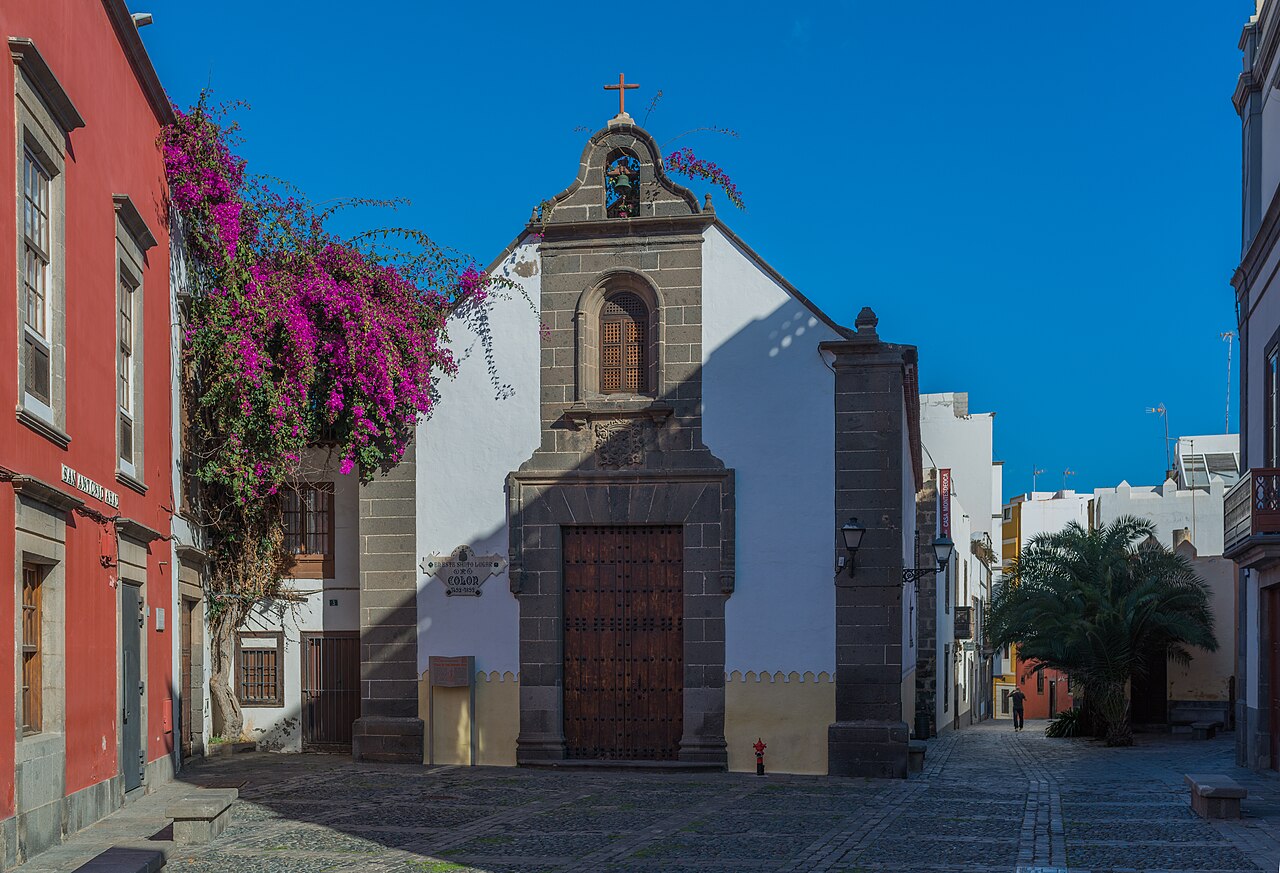
Telde is one of the island’s oldest towns, with a historic quarter of narrow lanes and a church known for its carved altarpiece. Agüimes, further south, has a restored old centre of whitewashed houses and a long tradition of living in caves cut from soft rock. A guided tour links the two with context about the island’s early inhabitants and colonial history, and the Guayadeque ravine is close enough to add on another day. Weekdays are best, when churches and small shops are more likely to be open.
The north: Arucas, Teror and the forest
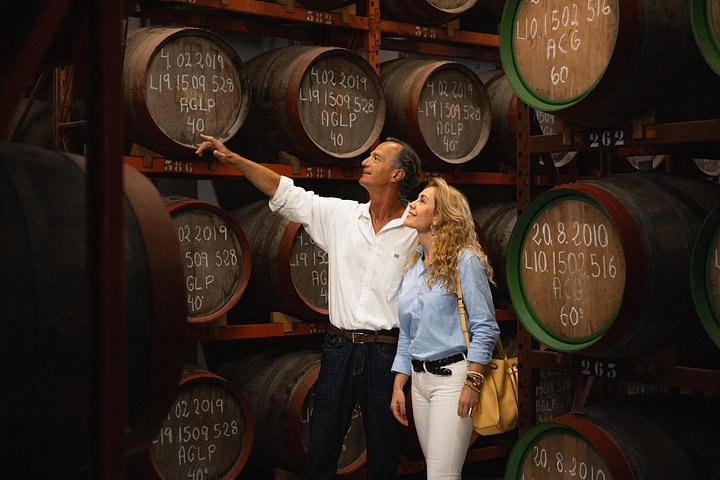
Arucas is known for its large church and for the Arehucas rum distillery, while Teror has a basilica, wooden balconies and a lively Sunday market. Further into the hills, the laurel forest offers a cool, green contrast to the dry south, with mossy trunks and ferns. A banana plantation visit explains the terraced crops that give the north its character, and a winery with a wine museum shows how island grapes become wine. Together these make a rewarding day in the north without long drives.
Wine and food
The Canary Islands make wine from unusual grape varieties on volcanic soil, and a tasting at a winery or on a guided tapas walk is the easiest introduction. In Las Palmas, a tapas and wine tour of the old town combines small plates such as papas arrugadas with mojo, local cheeses and seafood with stories about the neighbourhood. Look for gofio, the toasted flour used in soups, desserts and drinks, and try a barraquito coffee at a quiet café. Ask for local cheese in markets and village shops, and bring a cool bag if you want to take some home.
Las Palmas by foot
Vegueta, the colonial old town, is easy to explore on a walking tour, with its cathedral square, historic houses and small museums. Las Canteras beach provides a long promenade and a relaxed end to the day. The city is also a good base for the north, because buses and tours leave from the centre, and the Poema del Mar aquarium offers an indoor option on a wet day.
Planning a slow itinerary
Choose one region per day and let the day unfold around it. A sample plan might spend one day in the east with Telde and Agüimes, one in the north with Arucas, Teror and a winery, one in Las Palmas with Vegueta and a tapas walk, and one in the mountains around Roque Nublo and Tejeda. Leave time for long lunches, and avoid scheduling more than two main stops per day. Mornings are best for walking and sightseeing, and afternoons suit tastings and cafés.
Getting around
A hire car gives the most flexibility, and the motorways are fast, but mountain roads are narrow and winding, so allow extra time. Buses link the main towns, taxis are plentiful, and organised tours with pickup remove the stress of driving, especially when wine is involved. Parking in old towns can be tight, so choose a car park on the edge and walk in.
Etiquette and practical tips
Dress modestly for churches, greet shopkeepers, and be aware that many small businesses close in the afternoon for a siesta. Weekends can be busy at markets, so arrive early. Carry some cash for small purchases, and check opening days before long drives. Sunscreen and a light jacket are both useful, since the interior can be cooler than the coast.
Where to stay
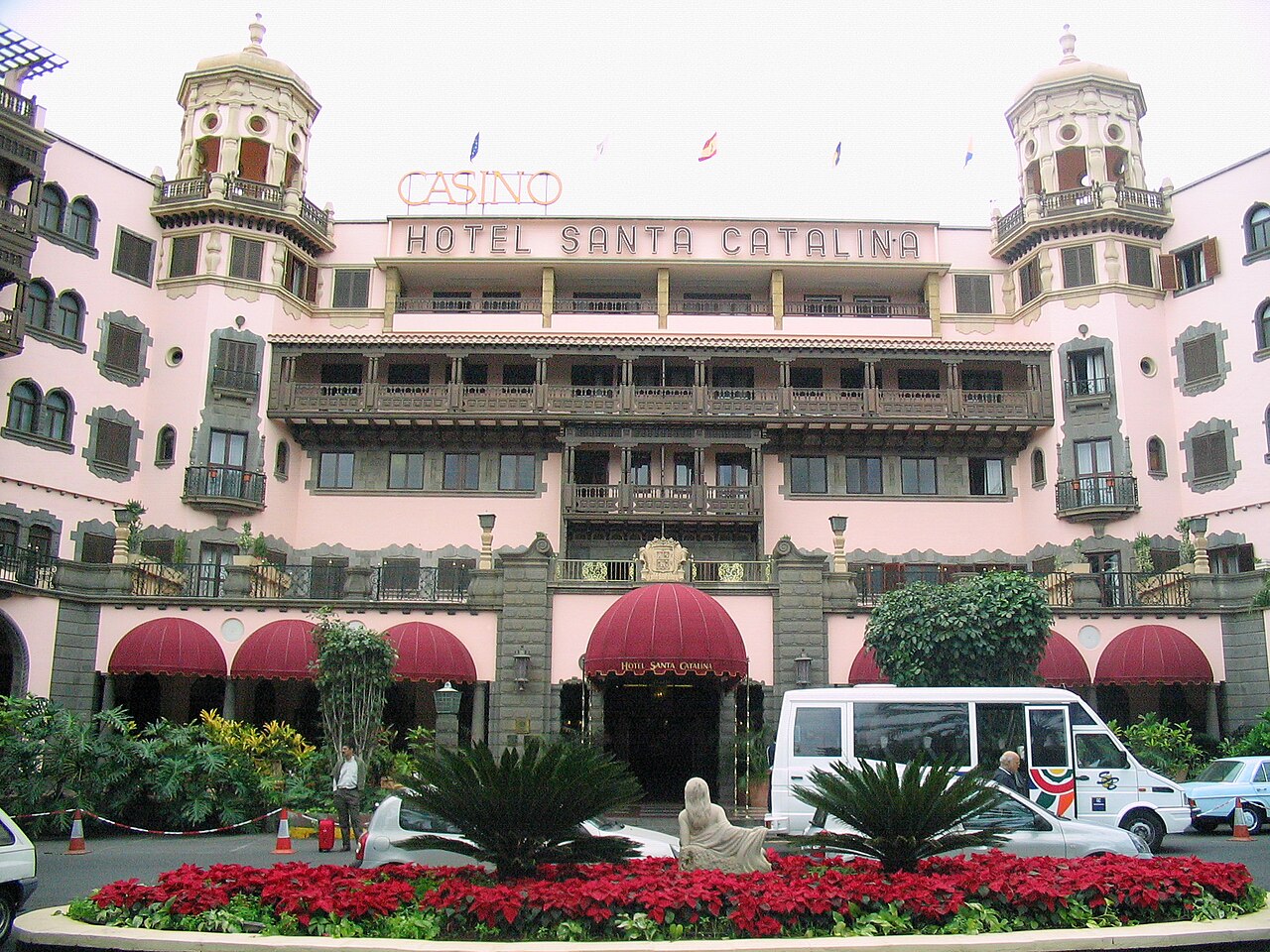
For a slow-travel trip, Las Palmas gives you restaurants, culture and easy access to the north and east, while Puerto de Mogán offers a quiet harbour village in the south-west. Choose a hotel with good breakfast and a pool for downtime, and enjoy the island at its own unhurried pace.
Final thought
Slow travel on Gran Canaria is less about ticking off sights than about noticing small things: the smell of a bakery in a village square, the taste of a new wine, the quiet of a forest after the coast. Give each place time, ask questions of the people you meet, and let one good meal set the pace of the day.