Why Guanajuato is different
Most colonial Mexican towns sit on a plaza and a grid. Guanajuato sits in a ravine, so its streets climb, twist and sometimes disappear underground. The historic town and its adjacent silver mines were inscribed as a UNESCO World Heritage Site in 1988, and the money that mining brought explains the grand theatre, the baroque churches and the pastel mansions stacked up the hillsides. It is also a university city, so it is young, musical and lively after dark. Come expecting stairs, and you will love it.
How many days
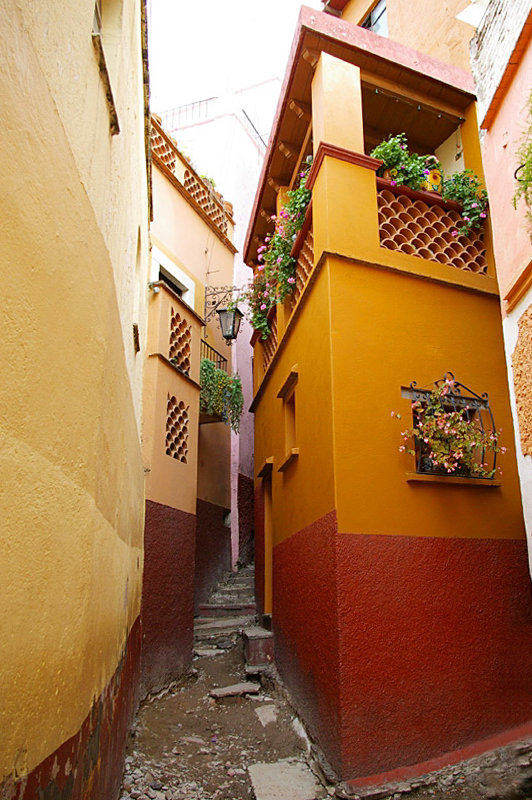
Two full days cover the highlights, three let you slow down. Day one is the centre on foot: the Jardín de la Unión, the Teatro Juárez, the Callejón del Beso, the University steps and the Diego Rivera House Museum, finished with a sunset at the Pípila monument. Day two takes in the Alhóndiga museum, the Mummy Museum and the silver mines, and ends with a callejoneada. A third day suits the Mercado Hidalgo, more museums, the lanes you have not yet climbed and a long lunch. A weekend works if you start early and accept that you will rush.
What to book ahead
Very little is truly essential, but a few things reward planning. The Night Walk with the Estudiantina and the small-group Cultural Walk are best reserved before you arrive, since popular dates and evenings fill up. The Mummy Museum sells tickets through its own website, worth using in busy periods. The Silver Mines and Museums Tour is a private half day that is easier to arrange in advance. Hotels are the real pressure point: the Festival Internacional Cervantino in autumn, long weekends and school holidays push prices up and rooms down, so book those dates early and ask about cancellation terms.
Getting around
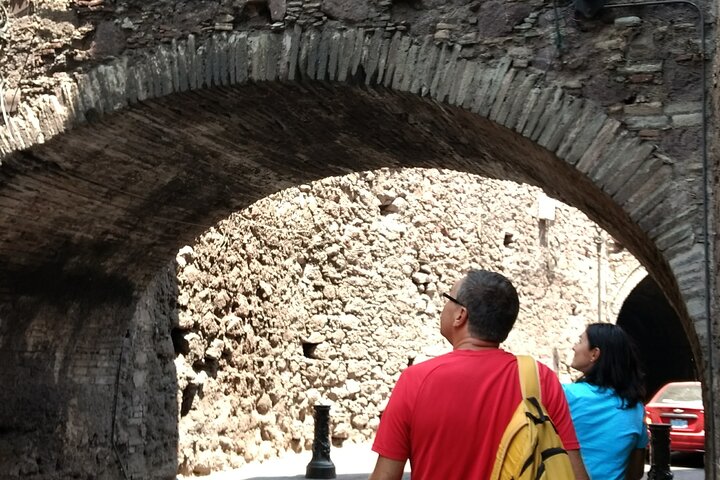
The centre is compact and best explored on foot, but it is steep, with stepped alleys and uneven cobbles, so wear shoes with grip and pack light. Taxis are cheap and the easiest way to reach the Mummy Museum, the mines and the Pípila terrace if you do not want to climb. The panoramic funicular carries you up to the Pípila in minutes. Local buses cover the hillsides, and the city's underground streets carry much of the traffic beneath the old town, which is why the surface feels so walkable. The Bajío airport is roughly thirty kilometres away, so arrange a transfer or taxi in advance.
Where the headline sights fit
Think of the centre as a loop. The Teatro Juárez and the Jardín de la Unión are the hub, the Callejón del Beso is five minutes uphill, the University is two minutes away and the Diego Rivera museum is a short walk beyond. The Alhóndiga sits on the northern side near the market, and the Pípila is the high point you can see from almost everywhere. The Mummy Museum and the mines are the outliers, reached by taxi or on a tour, so group them into one half-day. For a first visit, the Cultural Walk is the quickest way to learn the layout.
Evenings and festivals
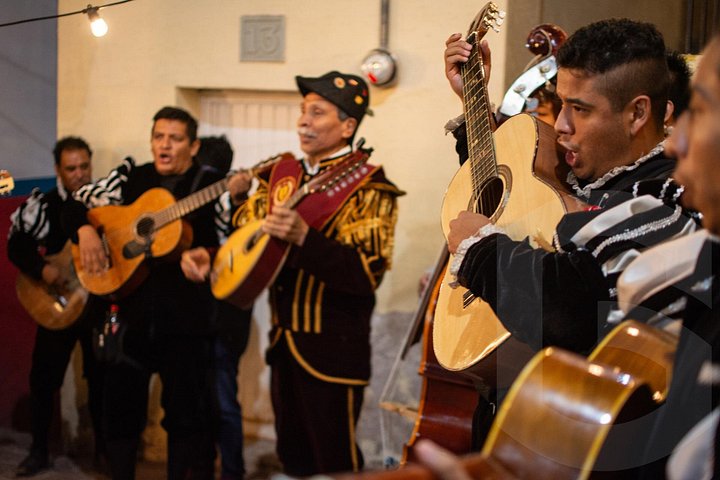
After dark the plazas fill with students, families and musicians. A callejoneada is the signature experience, and a drink on the Jardín de la Unión is the classic way to end it. Autumn brings the Cervantino, a major international arts festival whose venues include the Teatro Juárez; it is a spectacular time to visit and the most expensive and crowded, so decide whether you want it or want to avoid it.
Practical notes
Carry some cash for market meals, museum entry and tips. Museums often close on Mondays, and hours change, so check before you go. Altitude is moderate, evenings can be cool, and the sun is strong by day. Keep valuables out of sight in crowded spots as you would in any busy city. The US State Department advises reconsidering travel to Guanajuato state because of crime, with its restrictions for government employees applying to the area south of Highway 45D and the cities of Celaya, Salamanca and Irapuato rather than the capital. Check the latest advisory and your own insurer's guidance before you book, and stay in the well-travelled centre after dark.
Choosing a base
Where you sleep shapes the trip: a plaza hotel keeps you in the thick of it, a boutique stay above the city gives you quiet, and a budget guesthouse near the market stretches your pesos. Our Where to Stay guide compares the five hotels we recommend.