The Teatro Juárez is the architectural showpiece of Guanajuato and the building that tells you most about the city's silver-fuelled ambitions. Construction ran from the 1870s into the early twentieth century to a design by the architect José Noriega, and the result is a nineteenth-century opera house that would not look out of place in a European capital. The façade is in the Roman Doric style, with a row of columns and eight bronze sculptures of the muses lining the roofline above the steps that face the Jardín de la Unión. Inside, the performance hall is horseshoe-shaped in the manner of the great European theatres, but the decoration is distinctly its own, drawing on oriental motifs in a way that surprises first-time visitors. The stage backdrop was painted by a French artist known for his work at the Opéra Comique in Paris. The foyer, once a smoking room, is in Art Nouveau style with refined furnishings and is the part that photographs best. The theatre still works as a venue and serves as one of the principal stages of the Festival Internacional Cervantino each autumn, so a visit can mean walking into a rehearsal or a concert as well as a quiet auditorium. The building sits on De Sopeña street, on the edge of the garden, and you will pass it several times a day.
The theatre is the product of the city's golden age. Guanajuato's mines had made it enormously rich, and its leading families wanted a cultural monument to match, so the theatre was designed to the standards of the age and finished in the early 1900s with the president of the day among the guests at its inauguration.
The result is a palimpsest of styles, with classical outside, Moorish and oriental touches within and Art Nouveau in the foyer, all held together by good proportions. The same ornament that makes it a photographer's paradise also makes it a working building, so the experience varies with the day.
Working the visit
Guided and self-guided visits are possible outside performance and rehearsal times, and the hours shift with the programme, so check the day before you go rather than assuming the doors are open. The tourism board points visitors to the theatre's social media pages and a local phone line for up-to-date information. If your trip lines up with a performance, buying a seat is the best way to see the hall as it was meant to be seen, with the lights down and the music playing, and it is a rare chance to dress up a little in a city that otherwise runs on stairs and walking shoes.
Who it suits
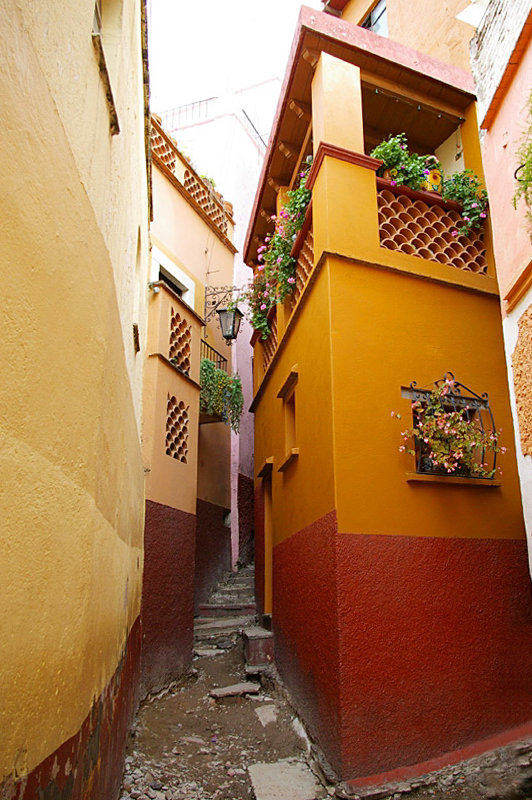
Architecture and history fans, couples looking for a quiet interior after the crowds of the plaza, and anyone interested in the city's cultural life. Children usually enjoy the muses on the roof and the plush interior for a short visit. Pair it with the Callejón del Beso, five minutes away, and with a coffee on the Jardín de la Unión, where you can sit on a bench and watch the façade glow as the evening lights come on.
What to expect
The experience
A visit to the nineteenth-century opera house, taking in the columned façade, the horseshoe-shaped hall, the stage backdrop and the Art Nouveau foyer.
Best time
Check opening hours the day before, as they shift with rehearsals and performances; a weekday morning is usually calmest.
How long
Thirty to sixty minutes for a visit; an evening if you attend a performance.
Tips
Look up at the eight bronze muses on the roofline, spend time in the foyer and confirm hours through the theatre's own channels before you walk over.
Quick picks
- Best for
- Architecture lovers and anyone who wants a grand interior in the middle of the old town.
- Families
- A short visit works well for older children; the muses and the gilded interior hold attention for half an hour.
- Couples
- Book a concert if one is on, then linger on the Jardín de la Unión as the façade lights up.
- Pair with
- The Callejón del Beso, the Jardín de la Unión and the University steps, all within a few minutes on foot.
- Time needed
- Allow up to an hour, or an evening for a performance.
Good questions
Who designed the Teatro Juárez?+
The architect José Noriega designed the theatre, which was built between the 1870s and the early 1900s. It reflects the wealth of Guanajuato's silver era.
What is the Teatro Juárez known for?+
It is known for its Roman Doric façade with eight bronze muses, its horseshoe-shaped hall and its Art Nouveau foyer. It is also a main stage of the Festival Internacional Cervantino.
Can you visit when there is no performance?+
Usually yes, but hours vary with rehearsals and events, so confirm the day before. The tourism board suggests checking the theatre's social media for current information.
Where is it located?+
On De Sopeña street, beside the Jardín de la Unión in the heart of the historic centre. It is a few minutes on foot from the Callejón del Beso.
Is it worth seeing a show?+
Yes, if the schedule allows. Seeing the hall lit and in use is the best way to appreciate the decoration, and the festival season in autumn brings the busiest programme.