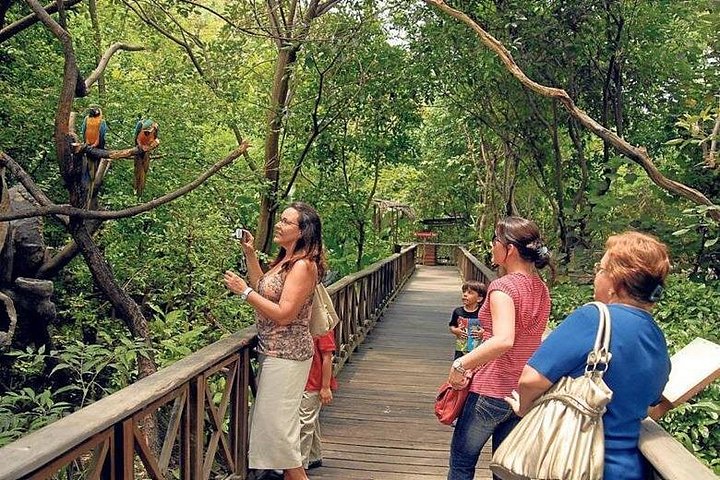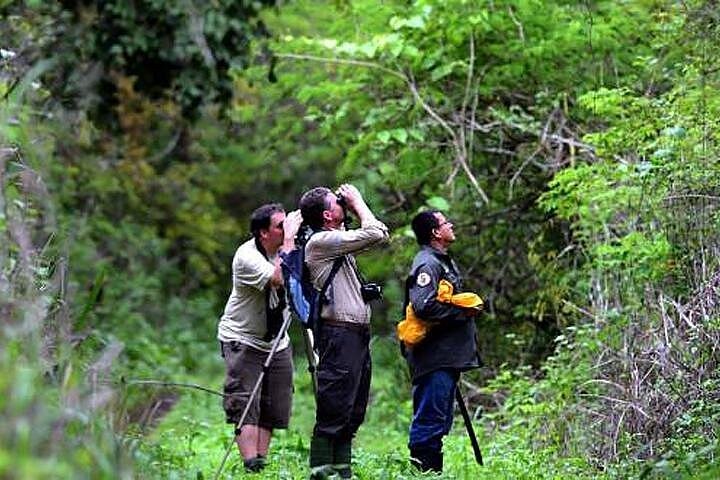
Cerro Blanco is a protected forest of several thousand hectares on the western edge of Guayaquil, and it is one of the most accessible places in Ecuador to see the dry-forest birds of the Pacific coast. The area preserves tropical dry forest, a habitat that has largely disappeared from the coast, and its trails, hills and seasonal streams support a range of animals. Bird watchers come for the Guayaquil great green macaw, a critically endangered parrot that is found here, along with species such as the Pacific parrotlet, the Guayaquil woodpecker, trogons, motmots, hummingbirds and many tanagers. Mammals include howler monkeys and, more rarely, small cats. A guided half-day trip from Guayaquil takes you into the reserve early, when birds are most active, and a naturalist guide helps you find and identify species by sight and sound. The tour is suited to beginners and experienced birders alike because it is short, close to the city and rewarding even in a single morning. Details such as pick-up point, group size, equipment and duration vary between operators, so confirm them at booking.
Dry forest looks different from the rainforests most visitors imagine. During the long dry months many trees lose their leaves, the canopy opens and birds are easier to spot, while the first rains in the wet season transform the hills with a flush of green. That seasonal change is part of the appeal: the same trail can feel entirely different at different times of year.
The reserve is managed by a conservation foundation, and tourism helps fund its protection, so a visit contributes to the survival of species such as the macaw that depends on this habitat. Guides explain the threats from clearing, fire and hunting and the work being done to monitor and protect nesting sites.
To prepare, wear long, lightweight trousers and a long-sleeved shirt in neutral colors, closed shoes and a hat. Bring binoculars if you have them, as well as insect repellent, sunscreen and plenty of water. Early starts are normal, often around dawn, so arrange breakfast and transport in advance. The trails are mostly gentle, but there can be slopes and uneven ground, and the terrain can be slippery after rain.
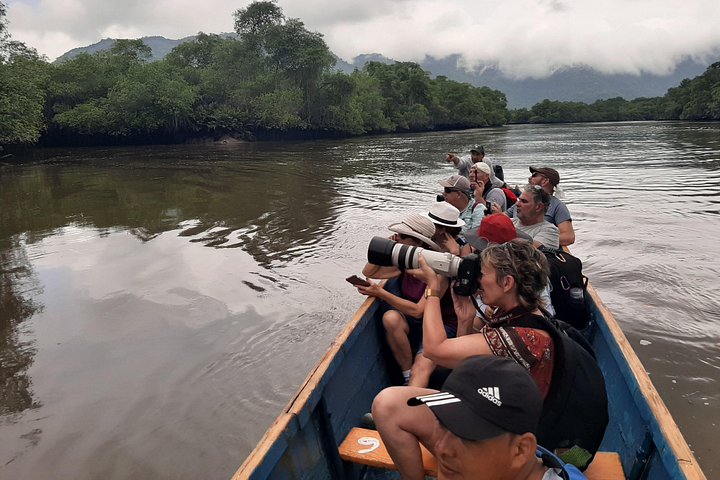
Do not expect to see every species on a checklist, because wildlife is unpredictable, but good guides maximize your chances by knowing the territories and calls. Photographers should bring a telephoto lens and be patient. The trip suits both families with older children and serious birders, and it is a good complement to a mangrove reserve visit on another day.
Because the forest is on the road toward the coast, it can also be combined with a transfer to the beaches if you arrange it with an operator. Keep voices low, stay on the paths and never play recorded calls to attract birds unless your guide says it is permitted, as this can stress breeding birds.
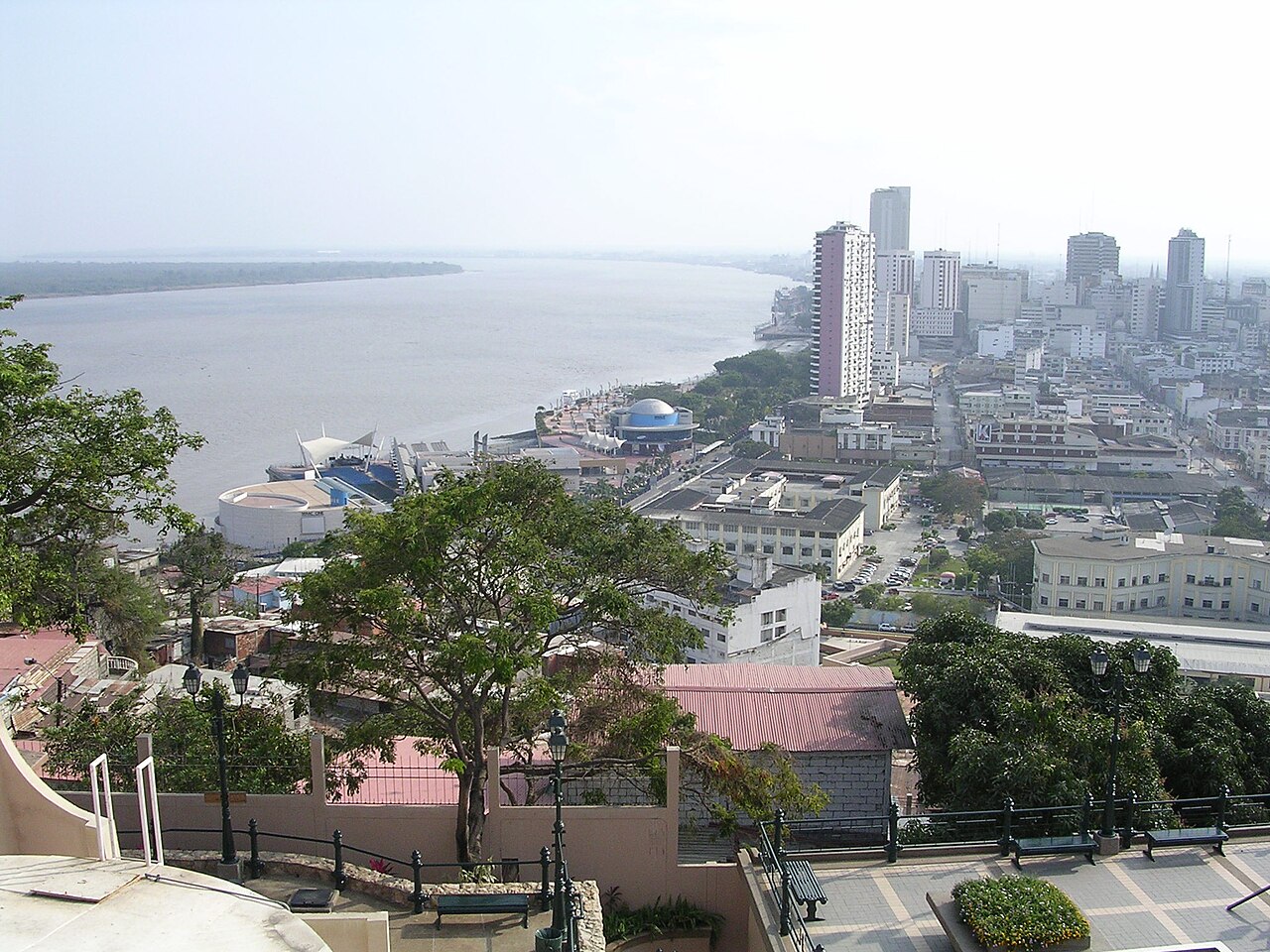
A half-day outing leaves you free for lunch in town and an afternoon at the Malecón. Keep a simple list of what you see and ask your guide to help with names afterward; even a short morning can add a dozen species, and many visitors discover a love of birdwatching that follows them to the rest of their trip.
What to expect
The experience
A guided half-day birdwatching walk in a protected tropical dry forest near the city.
Best time
Early morning when birds are most active; the dry months make birds easier to see.
How long
A half day including transfers.
Tips
Wear long lightweight clothing and closed shoes, bring binoculars, repellent and water, and be ready for an early start.
Quick picks
- Best for
- Birders and nature fans short of time.
- Families
- Good for older children who can be quiet and walk gentle trails.
- Couples
- A peaceful early-morning activity.
- Pair with
- A mangrove reserve trip or a city tour in the afternoon.
- Time needed
- A morning.
Good questions
What birds can I see?+
Dry-forest species including the endangered Guayaquil great green macaw, woodpeckers, trogons, hummingbirds and tanagers. Sightings are not guaranteed.
How far is Cerro Blanco?+
It is on the western edge of Guayaquil, usually under an hour from downtown by road.
Do I need experience?+
No. A guide helps beginners find and identify birds.
What should I wear?+
Long lightweight clothing in neutral colors, closed shoes and a hat.
Does my visit help conservation?+
Tourism supports the foundation that manages and protects the forest.