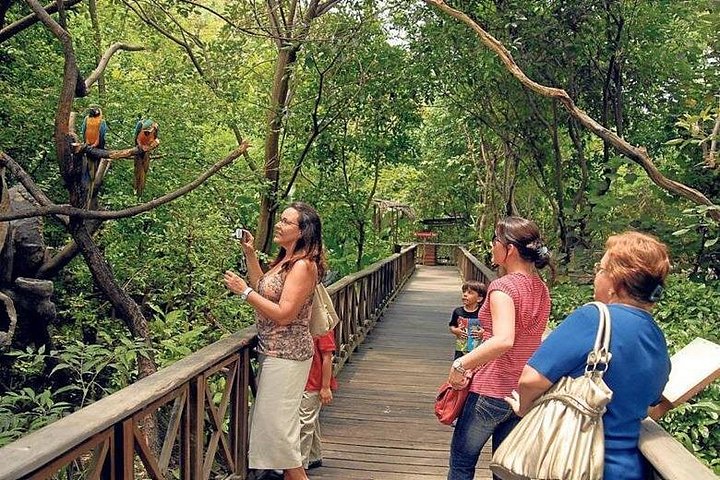
The Historical Park of Guayaquil, usually called Parque Histórico, is an open-air park on the banks of the Daule River at the edge of the urban area, designed to introduce visitors to the region's nature, traditions and architecture in a single outing. It is divided into three parts. The wildlife zone presents species of the coastal lowlands, from caimans and reptiles to birds, monkeys and other animals, in a setting of mangrove and tropical forest. The traditional zone recreates the life of the countryside during the great cacao era with a farm, wooden houses and demonstrations of rural activities. The urban architecture zone gathers houses and buildings in the style of Guayaquil around the start of the twentieth century, giving a feel for the elegant wooden city that was lost to repeated fires. The site is landscaped, shaded in places and easy to walk, with paths, boardwalks and a river edge for picnics. It suits families, school groups and travelers who want a gentle introduction to Ecuador's coast without leaving the city region. This visit links to a guided tour that explains the cultural and natural context, which helps make sense of what you see.
What makes the park useful is the way it compresses different eras into one walkable loop. In the wildlife area you can see reptiles and birds that you might otherwise need a long trip to find, which is especially handy if time is short and you cannot visit a reserve. The boardwalks and shaded pathways make it comfortable for children, and the animals are generally easy to spot.
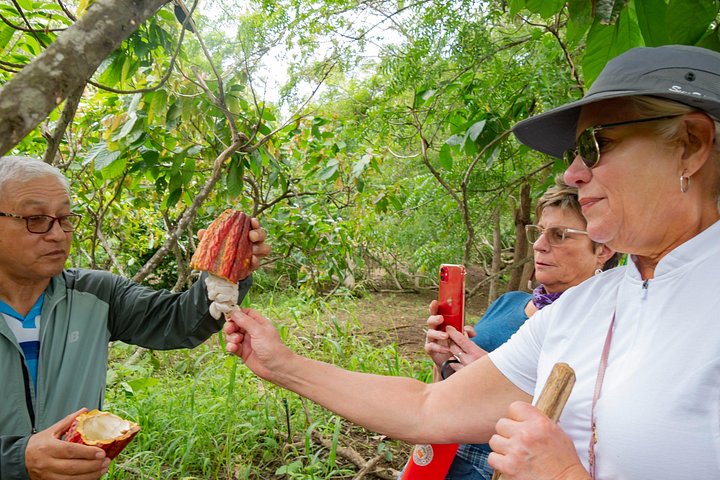
In the traditional zone, the farm buildings and exhibits explain the role of cacao and rice in the local economy and show the working life of the countryside, and in the urban zone the restored houses show the carpentry and decorative details of early twentieth-century Guayaquil, a period when wealth from cacao shaped the city's tastes.
A guided visit adds interpretation, and the title of this product points to culture, nature and architecture as the three themes. Check the details when you book, including the meeting point, what is included, language options and whether transport is part of the price. Because the park is a short drive from downtown, many visitors combine it with a city tour or a stop at the Malecón on the same day.
Good timing matters
Go in the morning, bring water, a hat, insect repellent and sun protection, and wear comfortable shoes. Opening days and hours are set by the park and may differ from day to day, with some days closed, so verify before you travel and avoid assuming it is open on Mondays or public holidays.
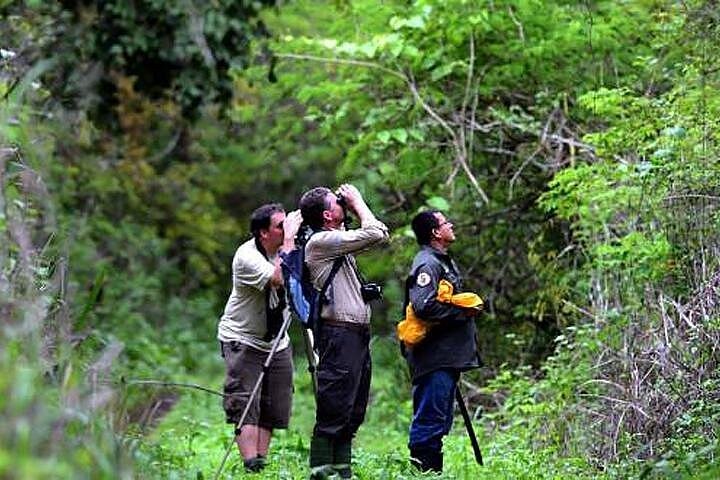
Allow about two to three hours for a complete visit. Photographers will enjoy the contrast between the old wooden houses and the green backdrop, while nature fans should keep an eye out for iguanas, herons and other birds along the river edge. Combine it with a meal in the nearby Samborondón area, which has many restaurants, or return to the center for an afternoon on the Malecón.
Ask whether any demonstrations or feeding times are scheduled on the day you visit, since staff sometimes run short talks that bring the wildlife and farm areas to life, and leave time for a slow walk along the river edge before heading back.
What to expect
The experience
A walk through three zones of wildlife, rural traditions and restored early twentieth-century houses, with a guide in the tour option.
Best time
Morning, when it is cooler and animals are more active.
How long
Two to three hours for the full loop.
Tips
Bring water, sun protection and repellent, and check the park's open days and hours before you travel.
Quick picks
- Best for
- Families and travelers who want wildlife and history in one easy stop.
- Families
- One of the city's best family outings, with animals, boardwalks and open space.
- Couples
- A calm, scenic morning followed by lunch in Samborondón.
- Pair with
- A city tour or the Malecón in the afternoon.
- Time needed
- Half a day including transport.
Good questions
What is in the Historical Park?+
Three zones: native wildlife, a traditional rural area and a collection of restored early twentieth-century Guayaquil houses.
Is it good for children?+
Yes, the animals, shaded paths and open spaces make it one of the easiest family outings in the area.
Is the park open every day?+
Opening days and hours are set by the park and can include closed days, so check before you travel.
How far is it from the center?+
It is a short drive from downtown, on the river toward Samborondón, and many tours include transport.
What should I bring?+
Water, a hat, sun protection, insect repellent and comfortable shoes.