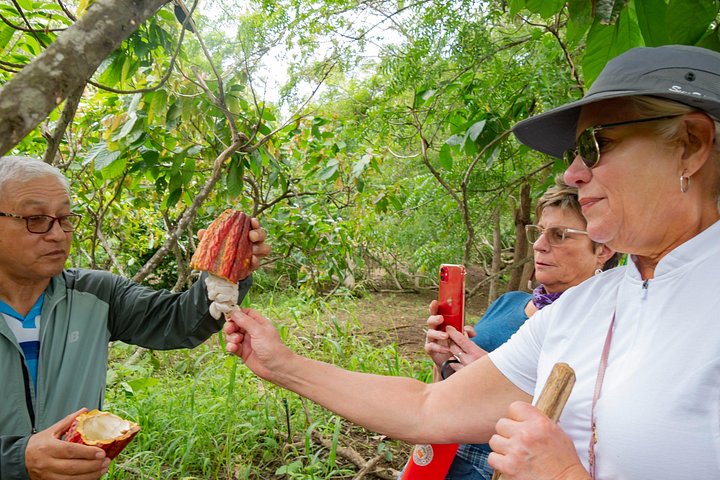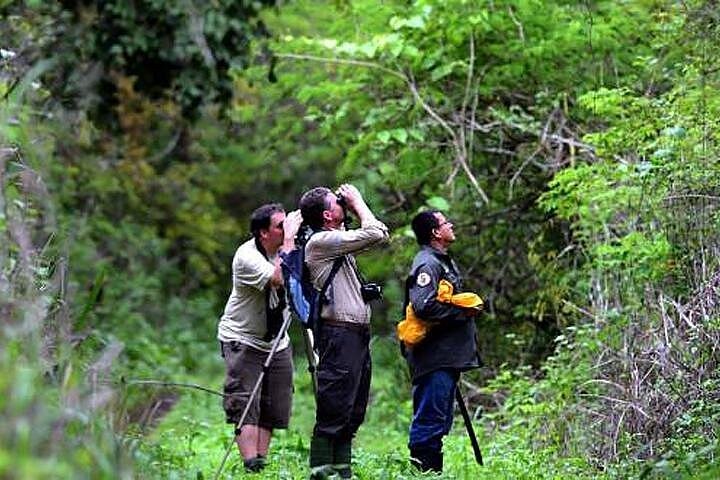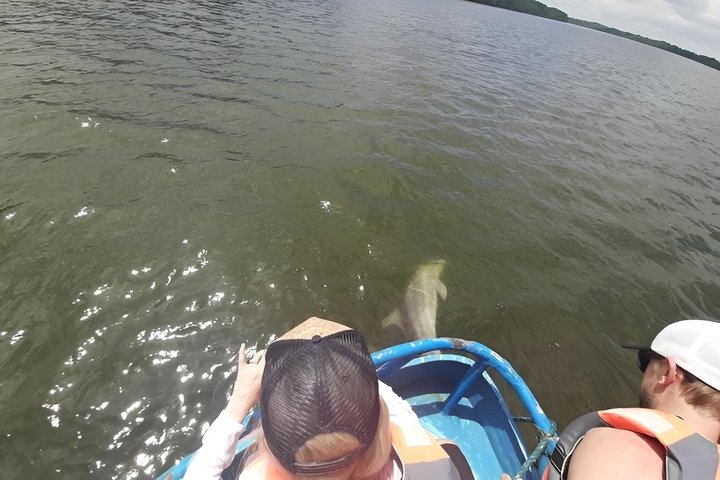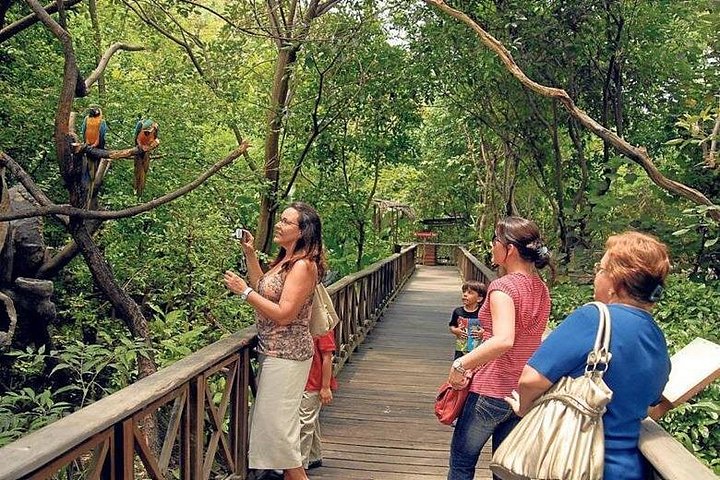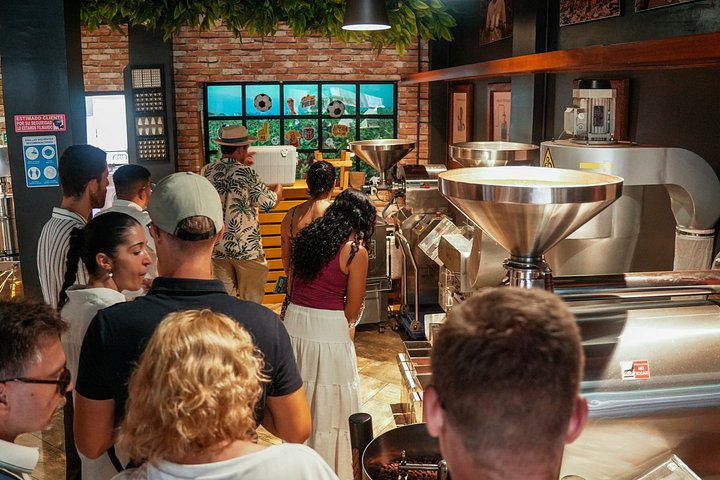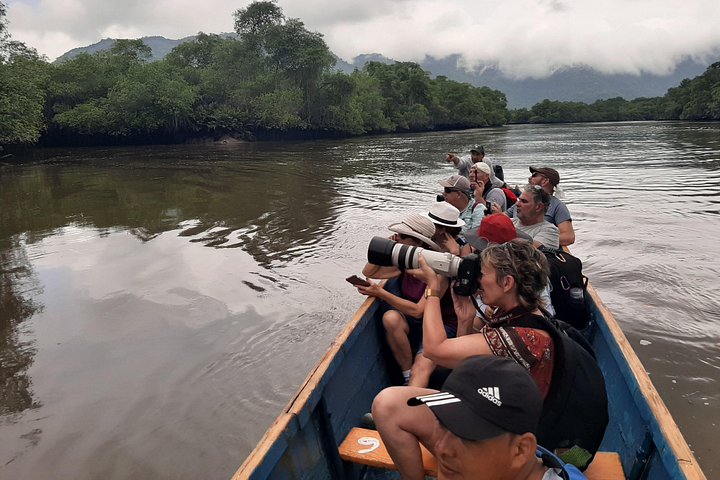
Manglares Churute is an ecological reserve about an hour or so southeast of Guayaquil where mangrove forest, tropical dry forest, lagoons and low hills meet at the edge of the Gulf of Guayaquil. Protected for its biodiversity and recognized as an important wetland, it shelters howler monkeys, a wide range of waterbirds, reptiles and, in the water channels, abundant fish and crustaceans. The day trip described here usually combines a boat ride or walk in the reserve with a visit to a cacao farm, which turns a nature outing into a full coastal experience. You travel by road from the city, enter the reserve with a guide, move through the narrow, tangled channels where the roots of mangrove trees rise out of brackish water and watch for herons, kingfishers, ibises and perhaps a troop of monkeys calling in the canopy. The journey ends at a farm where you can taste cacao and learn how it is processed. It is a fine option for travelers who want to see wild nature near Guayaquil without the effort of a multi-day expedition, and it suits bird lovers, photographers and curious families. Details of the route, guide language and inclusions vary by operator.
Mangroves are among the most productive ecosystems on the planet. They protect coasts from erosion, nurture young fish and shrimp and absorb carbon, and in Ecuador they have also been under pressure from shrimp-farm development. A visit to Churute shows both the beauty and the fragility of this environment. Your guide will point out the different species of mangrove, explain how their roots handle salt water and help you identify birds by sight and sound.
The most thrilling moments often come from spotting a mantled howler monkey high in the trees or hearing the deep, rolling roar that gives the species its name. Early morning is the best time for wildlife, when mist hangs on the water and the birds are active.
A few practical points will improve the day. Pack binoculars if you own a pair, a hat, sunscreen, insect repellent and a light rain jacket, because the weather can change quickly. Wear closed shoes or sandals that can get wet, and carry a dry bag for cameras and phones. Boat trips depend on tides and conditions, so the schedule can shift, and guides may adapt the route.
The rainy season from December to May brings lush scenery but more mosquitoes, while the drier months offer easier walking. Confirm whether lunch is included and mention dietary needs when you book. Most trips involve a long day with several hours of road travel in total, so plan to keep the evening free.
This outing combines well with a city tour on another day, and it is a better choice than a cacao-only trip if you value wildlife. Respect the reserve's rules: do not feed animals, take rubbish with you and speak quietly in the channels. Photographers should bring a zoom lens for birds and a lens cloth for humid air. The scenery is not dramatic in a mountain sense, but the quiet, green labyrinth of water is a striking contrast with the city.
Ask your guide about the reserve's lagoons and hills as well as the mangroves, because the area includes several habitats within a short distance, and a good guide will adapt the day to the tide, the weather and the animals that appear.
What to expect
The experience
A full-day guided visit to a mangrove reserve with boat or walking time and a cacao farm stop.
Best time
The drier months for easier walking; early morning for wildlife.
How long
A full day including road travel.
Tips
Bring binoculars, repellent, sun protection and a light rain jacket, and wear shoes that can get wet.
Quick picks
- Best for
- Nature lovers and bird watchers.
- Families
- Good for older children who enjoy boats and wildlife.
- Couples
- A quiet, scenic day away from the city.
- Pair with
- A cacao farm or a city tour on another day.
- Time needed
- A full day.
Good questions
What wildlife can I see?+
Birds such as herons and kingfishers, reptiles and, with luck, howler monkeys. Sightings are never guaranteed.
How far is the reserve?+
Roughly an hour or more by road southeast of Guayaquil, depending on traffic.
Is lunch included?+
That depends on the operator. Check when you book and mention dietary needs.
What should I bring?+
Sun protection, repellent, a light rain jacket, binoculars and shoes that can get wet.
When is the best time to go?+
The drier months are easier for walking; early morning is best for wildlife.