Gyeongju was the capital of the Silla kingdom for nearly a thousand years, and it still feels like a city built around its past. Royal burial mounds rise between cafes, a seventh-century observatory stands beside a flower garden, and two UNESCO sites sit in the hills to the east. It is compact, flat in the centre and easy to enjoy, but the sights are spread across several areas, so a little planning pays off.
What to book ahead
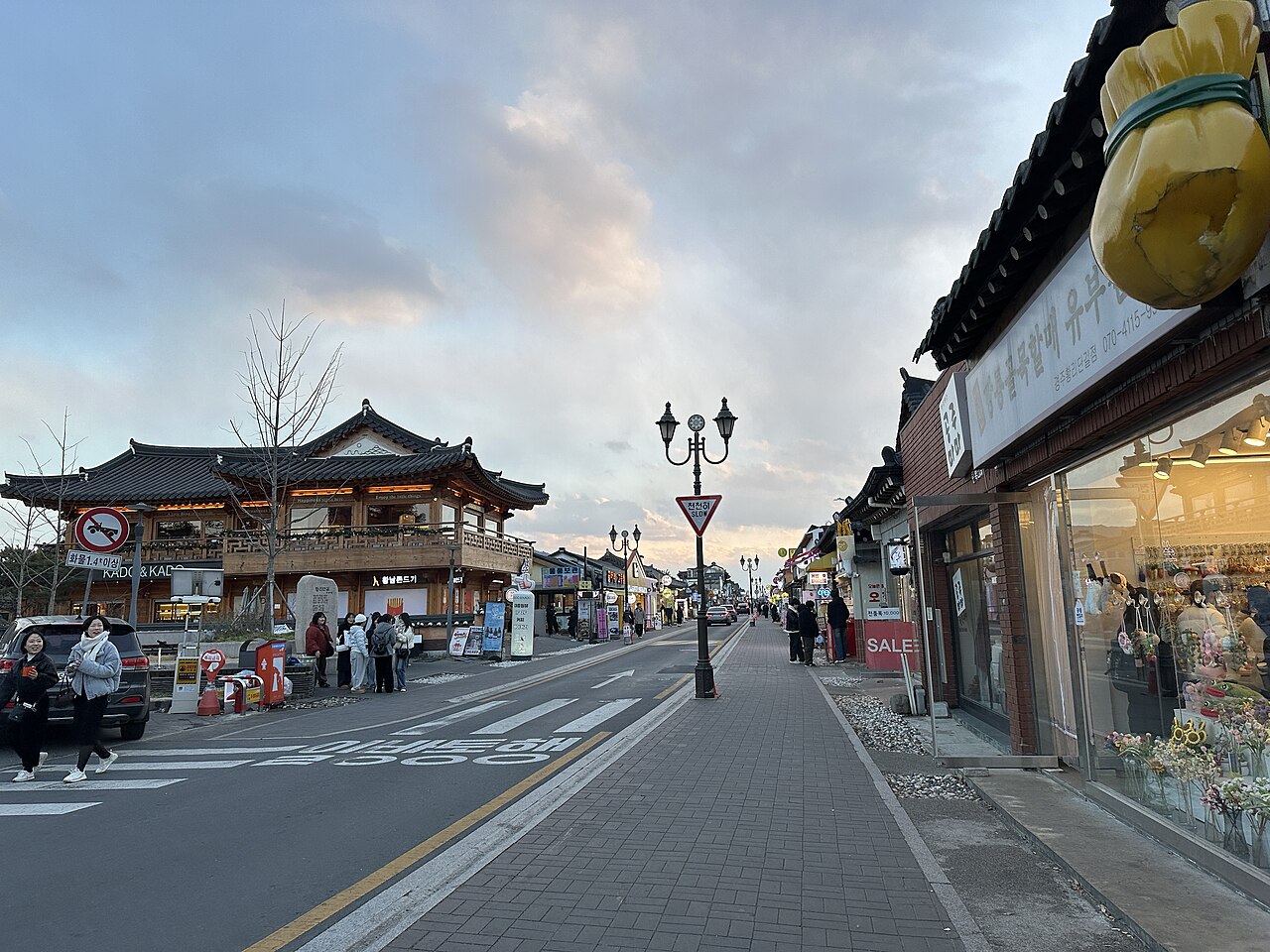
Very little here sells out, which is part of the charm. The ticketed sights, Bulguksa, Seokguram, Daereungwon with Cheonmachong, Donggung Palace and Wolji Pond and Yangdong Folk Village, charge modest entrance fees at the gate. If you want a guide, a driver and admission covered in one go, book a day tour a few days ahead, especially for autumn weekends. Hotels near Hwangnidan-gil and Bomun Lake fill first in foliage season, so reserve your bed early. Cheomseongdae, Hwangnidan-gil and Gyeongju National Museum are free to enter.
How to get around
Gyeongju is reached by high-speed train to Singyeongju station, with buses and taxis to the city, or by intercity bus from Busan, Seoul and Daegu. Once there, the historic centre is walkable: Daereungwon, Cheomseongdae and Hwangnidan-gil sit within a few minutes of each other, and the museum and Wolji Pond are a longer stroll or a short taxi ride. A tourist shuttle circulates the main historic sites, bicycle rental is popular on the flat ground, and taxis are inexpensive. Bulguksa and Seokguram are east of the city, reachable by bus or taxi in twenty to thirty minutes, and Yangdong Folk Village is farther out, so a taxi or tour is the easiest way.
How many days
One day covers the highlights if you join a guided tour or move efficiently: temples in the morning, the tombs and Hwangnidan-gil in the afternoon, Wolji Pond at dusk. Two days is the sweet spot, because it lets you see the sights at a gentler pace, linger over dinner and watch the pond lights come on. Add a third day for Yangdong, the Bomun Lake area, Gyeongju World or hiking on Namsan.
Where the headline sights fit
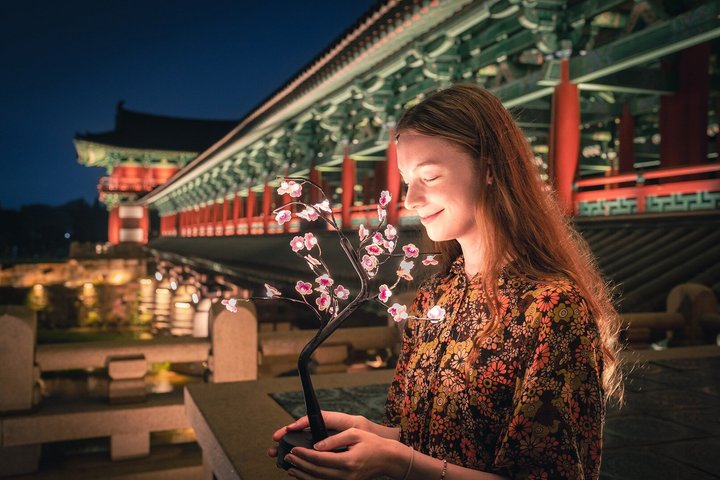
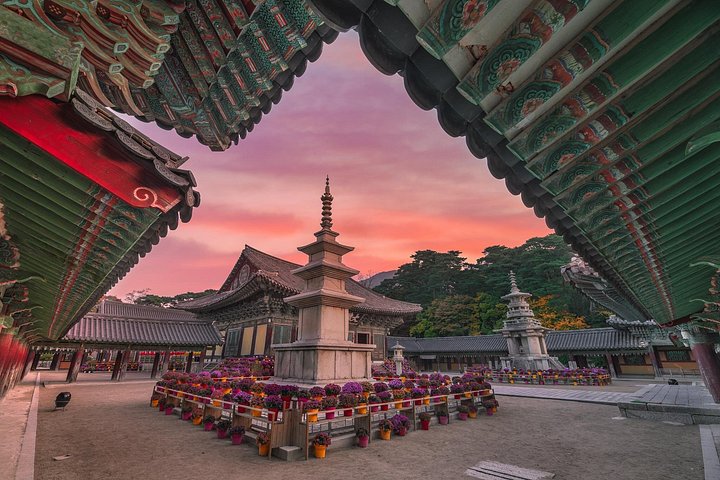
Start with Bulguksa Temple and Seokguram Grotto, ideally early, when the light is soft and the tour buses have not arrived. Return for lunch and head to Daereungwon, stepping inside Cheonmachong, then walk past Cheomseongdae and the National Museum. Finish at Donggung Palace and Wolji Pond near sunset, and have dinner on Hwangnidan-gil. If you are short of time, a day trip from Busan covers most of this in a long single day.
Autumn in Gyeongju
In early November the city is at its most colourful. Maples and ginkgo trees turn from late October into mid or late November, and the temple grounds, the tomb park and the pond are all beautiful. Days are mild and bright, evenings are cool, and dark falls early, so plan to reach Wolji Pond in late afternoon. Weekends are busy, and weekday mornings are noticeably calmer. Bring a light jacket, comfortable shoes and a bit of patience for queues at the popular cafes.
Food and rhythm
Try the local red-bean bread, a hanok cafe dessert and a set meal in a courtyard restaurant. Many places close early on weekdays, so eat dinner before the evening is over. The best rhythm is early sights, a long lunch, a late afternoon walk and dinner on Hwangnidan-gil.
Practical notes
Opening hours and fees change, so check each venue's website before you go. Most ticket offices accept cards, but carry some cash for small stalls. Wear shoes that come off easily, since temple halls and some hanok rooms require it. If you prefer to leave transport to someone else, a Busan day trip or a private driver is easy to arrange, and staying a night in the city rewards you with the calm hours after the tour groups depart. For where to sleep, see our Where to Stay in Gyeongju guide.