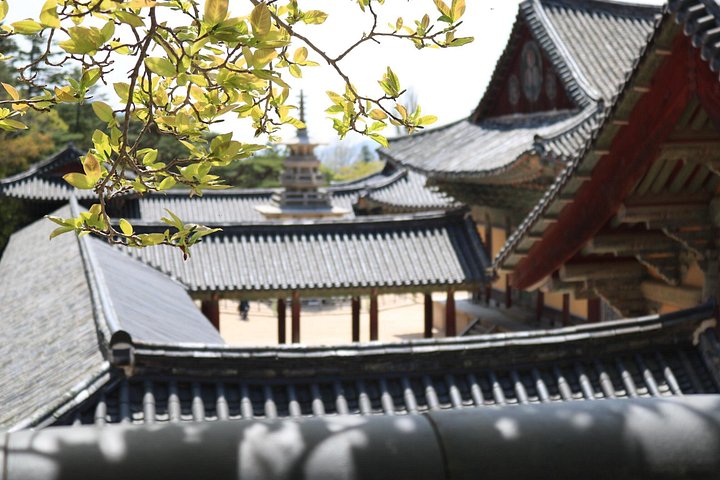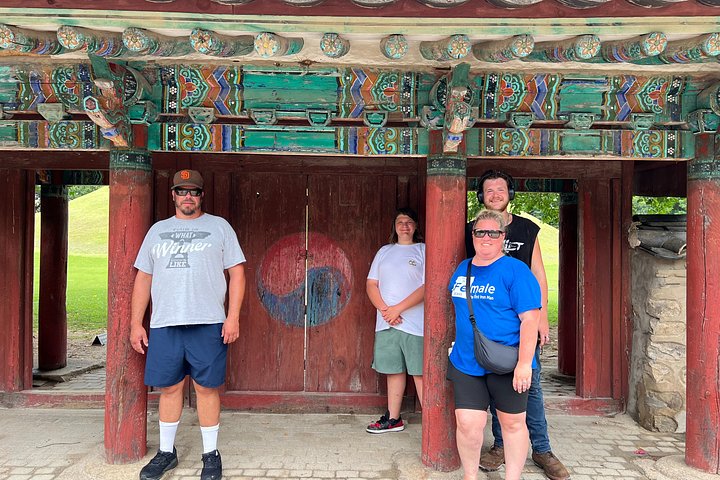
Daereungwon, the Great Tumuli Park, is the heart of old Gyeongju: a landscaped field of twenty-odd giant earth mounds that hold the tombs of Silla kings, queens and nobles from the fourth to the sixth century. The mounds rise like green hills among pines and walking paths, some taller than a house, and Hwangnam Daechong, the largest, is a double mound that dominates the park. Cheonmachong, the Heavenly Horse Tomb, is the highlight. Excavated in 1973, it was opened up so that visitors can walk into the burial chamber, where a reconstructed wooden coffin and displays show how the dead were laid to rest with crowns, jewels and weapons. The name comes from a painted horse design found on a birch-bark saddle flap, a treasure now kept in the national museum. A single modest ticket covers the park and the tomb. The site sits beside Hwangnidan-gil and Cheomseongdae, so it is easy to fit into a walking day.
What the tombs are matters. Silla kings were buried in wooden chambers sealed under stone and then covered with earth, a method that kept the contents intact for fifteen centuries and gave archaeologists gold crowns, jade ornaments and glass vessels from as far away as the Mediterranean. Most of those finds are now in the Gyeongju National Museum, but Cheonmachong lets you see the original layout. The interior is cool and compact, so you will pass through in ten minutes, but the display cases and the reconstruction make it memorable.
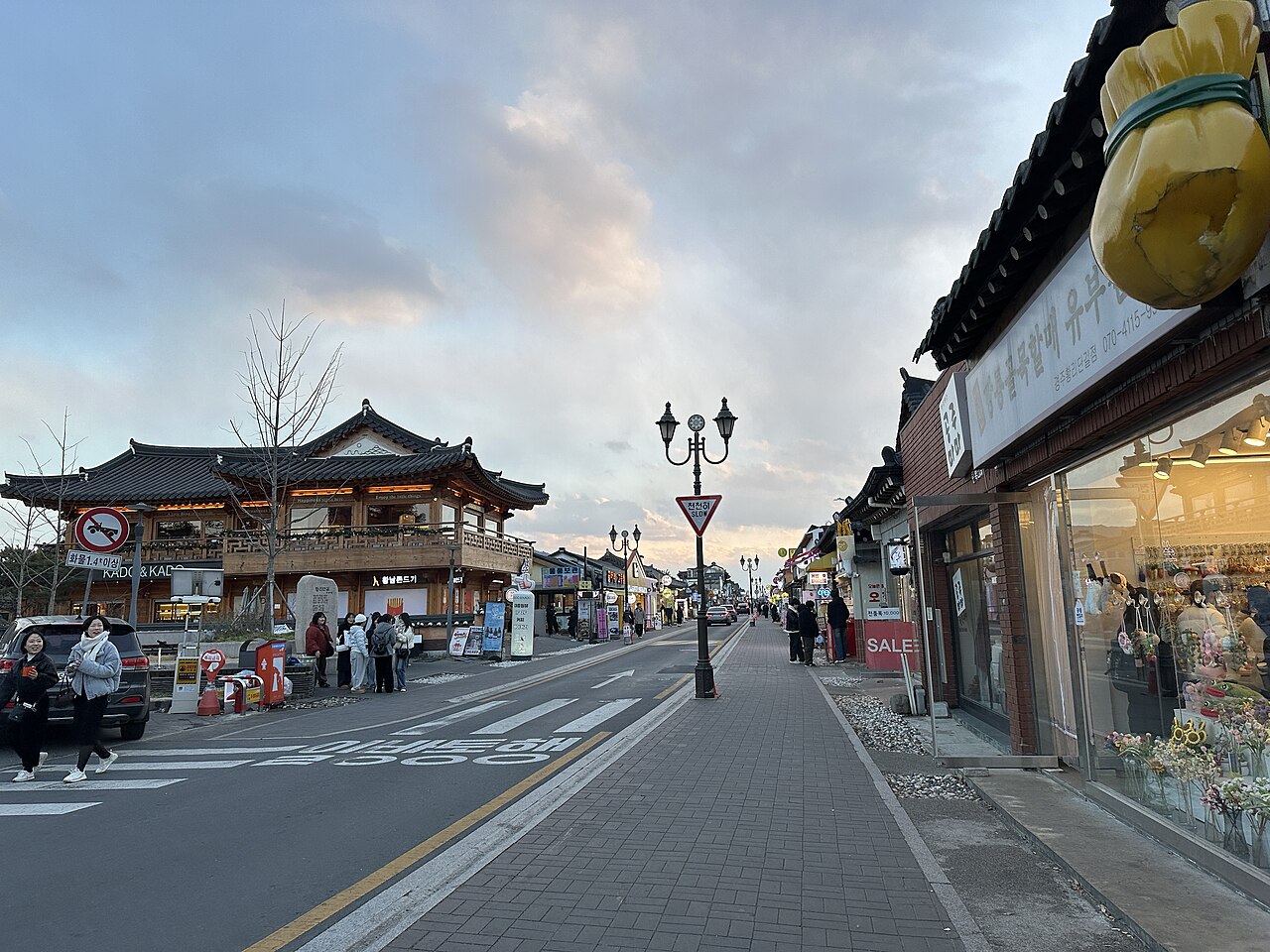
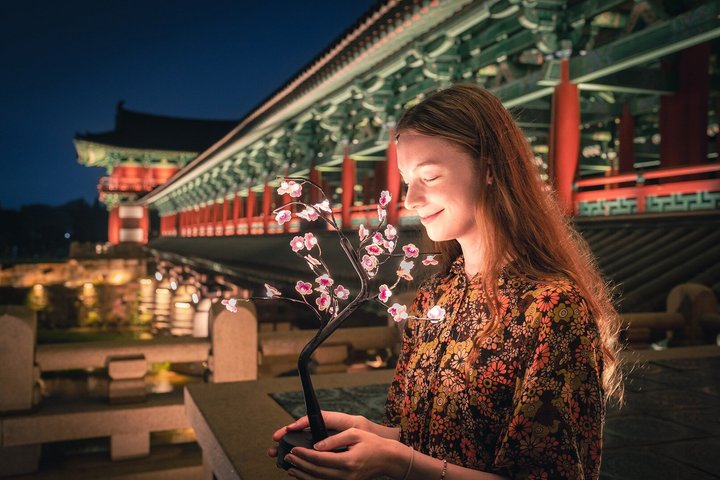
The park itself is a pleasure to walk. Paths loop between the mounds, past ponds and a few old pines, and the whole circuit takes about an hour with the tomb. In autumn, ginkgo and maple trees add yellow and red against the green slopes, and a golden sunset behind the mounds is a favourite with photographers. Evening lighting is common on the main walks, so the park can be enjoyed after dinner as part of a Hwangnidan-gil evening, though the tomb itself keeps daytime hours, so check them before you go.
Practical tips
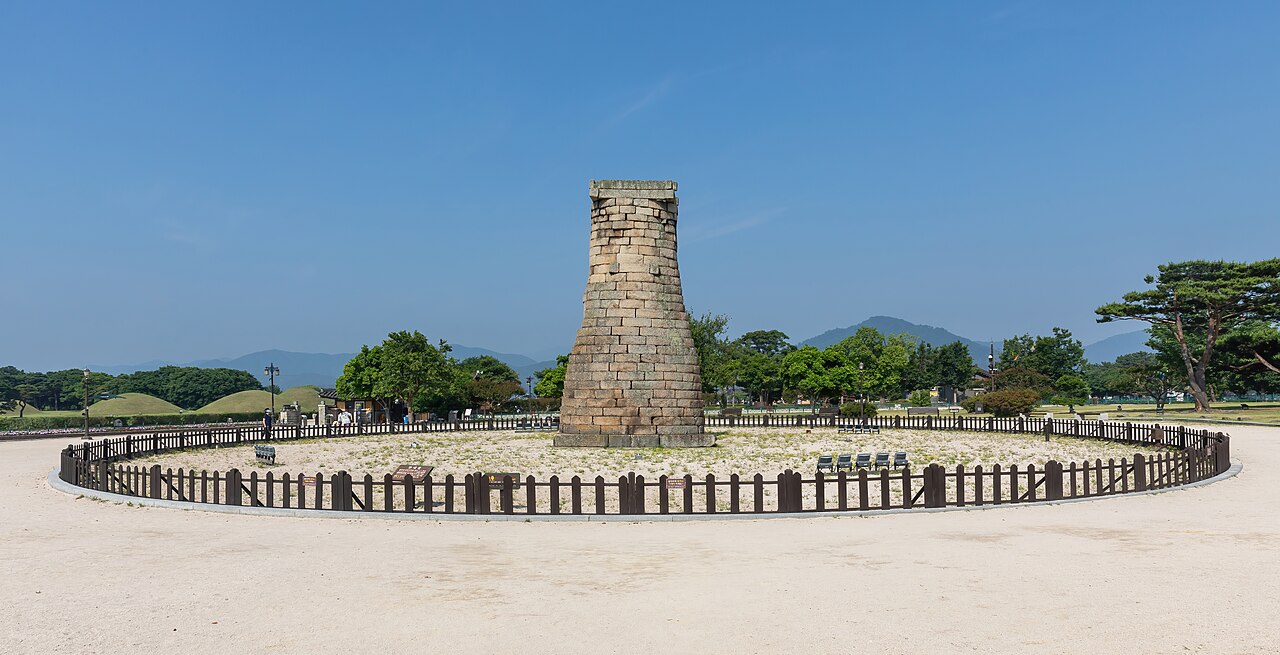
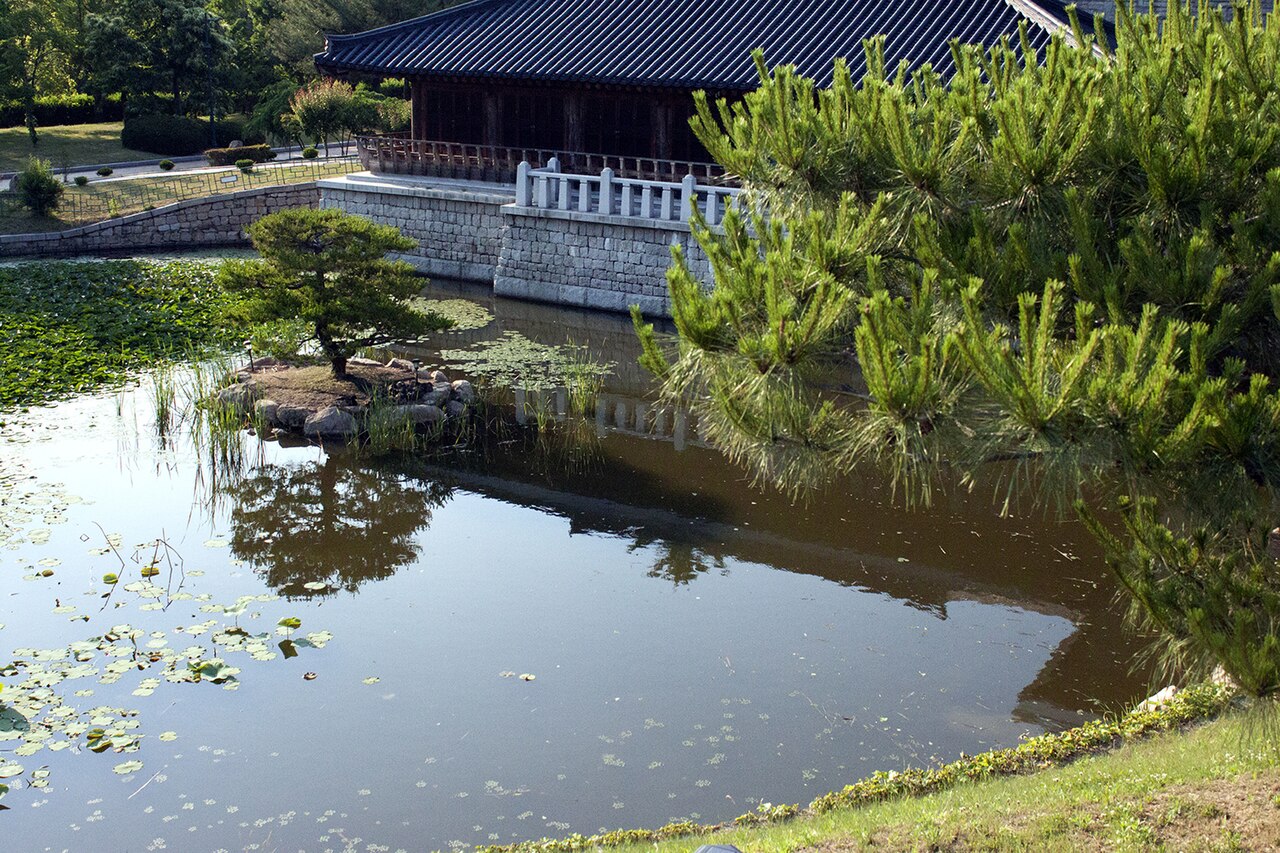
Arrive from the Hwangnidan-gil side for easy cafes afterward, wear flat shoes for the gravel paths, and bring a hat on sunny days since shade is patchy. Climbing on the mounds is not allowed. The complex is flat, wide and good for families, with benches and rest areas. Combine it with Cheomseongdae a few minutes away, and then walk toward Donggung Palace and Wolji Pond for sunset. Day tours from Gyeongju and Busan usually include the tomb ticket, which can simplify the day.
What to expect
The experience
A self-guided walk around the mound park with a short visit inside the Cheonmachong burial chamber, or a guided stop on a day tour.
Best time
Late afternoon for soft light and golden grass, with autumn colour from late October.
How long
About an hour for the park and the tomb.
Tips
Buy one ticket for the park and Cheonmachong, wear flat shoes, and do not climb the mounds.
Quick picks
- Best for
- History lovers and anyone wanting a quick, vivid sense of Silla royalty.
- Families
- Flat, open and easy, with the novelty of walking into a tomb to keep children interested.
- Couples
- A late afternoon stroll between the mounds followed by dinner on Hwangnidan-gil.
- Pair with
- Cheomseongdae, Hwangnidan-gil and Gyeongju National Museum, all within a short walk.
- Time needed
- One to one and a half hours.
Good questions
Can you go inside Cheonmachong?+
Yes, it is the one tomb in the park that visitors can enter. The chamber is small, but the reconstruction and displays explain how Silla burials worked.
How much does Daereungwon cost?+
A modest single ticket covers the park and Cheonmachong, and it is included in many day tours. Check the current price on arrival.
How long should I spend here?+
About an hour is enough for the park loop and the tomb. Add time if you want to sit, photograph the mounds or walk on to nearby sights.
Is it open in the evening?+
The park is popular for evening walks, but the ticketed areas follow set hours. Confirm the closing time on the day you go.
What is the Heavenly Horse in the name?+
A painted horse design was found on a birch-bark saddle flap inside the tomb, and it gave the tomb its name. The original is displayed in the national museum.