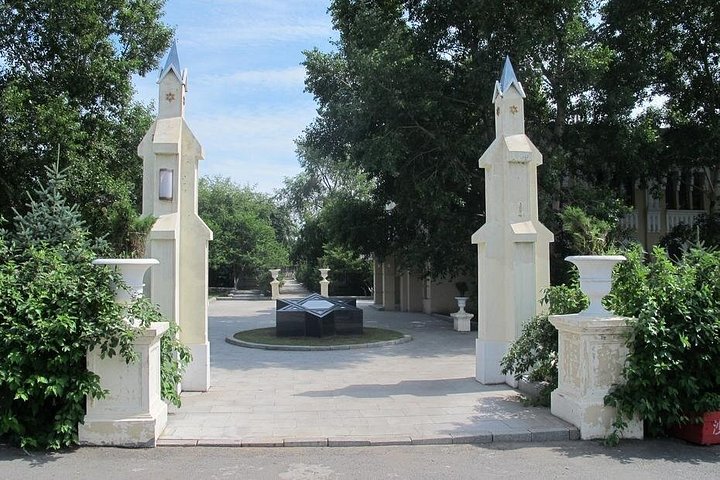
Few visitors expect to find Jewish history in northeast China, yet Harbin was once home to one of the largest Jewish communities in East Asia. Jews came from Russia in the years after the Chinese Eastern Railway was built, many fleeing persecution and revolution, and they founded businesses, schools, newspapers, charities and synagogues in the growing city. At its height in the early twentieth century the community numbered in the thousands, with a rich religious and cultural life, and the family of a future Israeli prime minister lived here. Over the following decades most residents moved on, many to Shanghai, Israel, North America and Australia, and the community faded. What remains are historic buildings in the old town, including synagogues that have been restored and now serve as cultural venues, along with a Jewish cemetery and memorial sites that have been preserved. A guided tour of these places connects the architecture with the stories of the people who lived in them. It is a thoughtful and quiet alternative to the bigger winter attractions, and one that reveals how cosmopolitan Harbin once was.
How to visit
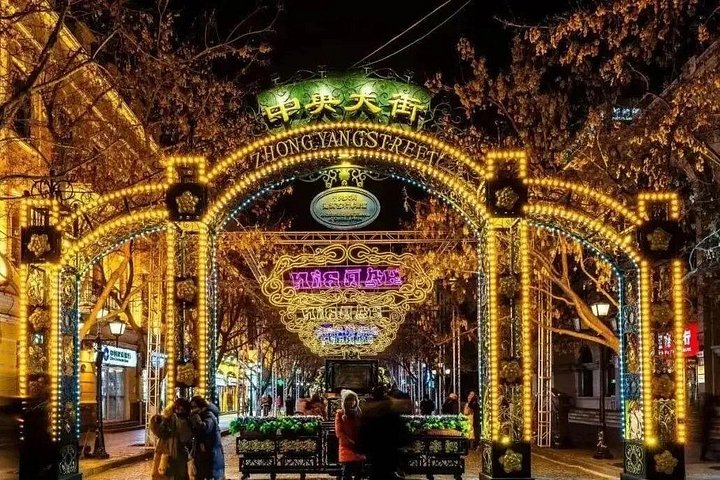
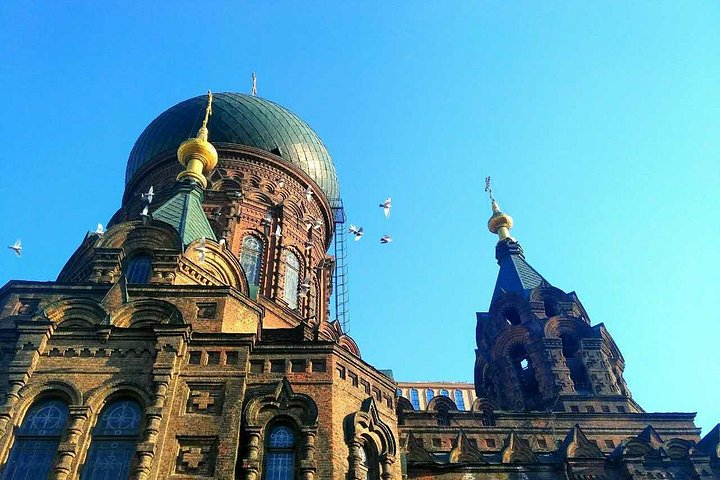
The linked product is a private all-inclusive day tour, so a guide arranges the route, the transport and the entries. Confirm the itinerary, the inclusions and the language of the guide when you book, as sites and opening hours can change. The historic buildings are mostly in the central districts near Zhongyang Street and the old Daoli area, so they combine easily with a walk along the pedestrian avenue and a visit to Saint Sophia Cathedral.
Some sites have limited opening times or are used for other purposes today, so a guide with local knowledge can save a lot of time.
The cemetery is outside the centre and requires transport. Dress respectfully, particularly at the cemetery and any place of worship, and ask before taking photographs. Allow a full day, with a break for lunch in the old town. The tour suits visitors with an interest in history, architecture or Jewish heritage, and it adds depth to a trip that might otherwise concentrate on ice and snow. Read a short history of the Harbin community beforehand, and bring questions for your guide, who is often happy to share family stories and local anecdotes.
The story is easier to follow with a few anchor facts. The railway that created modern Harbin brought both opportunity and refuge, and the Jewish community quickly became part of the commercial life of the city, running mills, shops, banks, pharmacies and music schools, and supporting hospitals and libraries for its own members.
Communal life included festivals, youth groups and sports clubs, and the main synagogue was a landmark of the old town. Political upheaval, the Japanese occupation and later migration thinned the community, but the buildings and memorials remain as reminders of a time when Harbin was one of the most international cities in Asia.
Ask your guide to point out how the architecture blends European and local elements, and to explain which buildings are still connected to the community and which have been adapted for other uses. Visitors with family connections to the region often find the day especially moving, and some bring photographs or names to ask about at the cemetery.
What to expect
The experience
A private guided day through the central districts and outlying sites linked to Harbin's Jewish community.
Best time
Daytime, any season; check opening times for the synagogue buildings.
How long
A full day with a lunch break.
Tips
Dress respectfully, ask before taking photographs and read a brief history first.
Quick picks
- Best for
- History and architecture fans, and travellers interested in Jewish heritage in Asia.
- Families
- Better suited to older children and teenagers than to small ones.
- Couples
- A reflective day for couples who like cultural stories.
- Pair with
- Zhongyang Street, Saint Sophia Cathedral and the Baroque quarter.
- Time needed
- A full day.
Good questions
Was there really a large Jewish community in Harbin?+
Yes. Jews from Russia and elsewhere settled in Harbin in the early twentieth century and built synagogues, schools and businesses. Most later moved to other countries.
What can I see today?+
Restored synagogue buildings in the old town, Jewish cemetery and memorial sites, and streets linked to the community. Access varies by site.
Is the tour private?+
The linked product is a private all-inclusive day tour. Confirm the details when you book.
Do I need to dress in a particular way?+
Dress respectfully, especially at the cemetery and any place of worship, and ask before photographing.
How does it fit with other sights?+
It combines naturally with Zhongyang Street and Saint Sophia Cathedral, since many sites are in the old central districts.