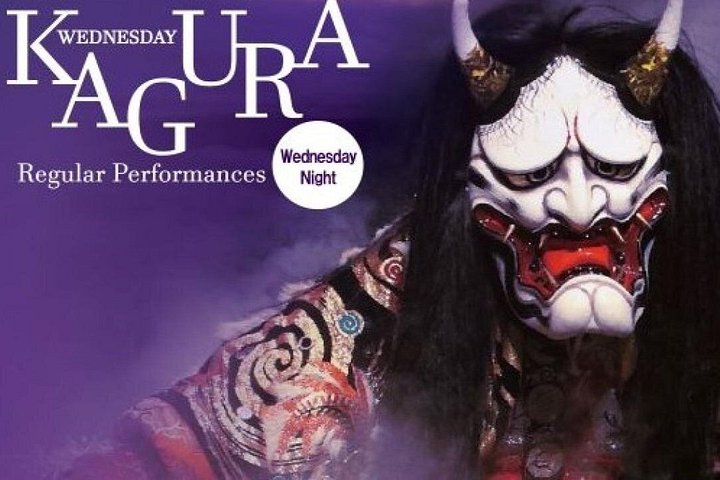
Kagura is a form of Shinto ritual dance and theater that has been performed in the Hiroshima region for centuries, traditionally at village shrines after the autumn harvest. Today a performance for visitors is held at the Hiroshima Prefectural Citizen's Culture Center in the city center, so you can see it without leaving town. Dancers in heavy embroidered costumes and fierce masks act out stories from Japanese myth, most famously the tale of the hero who defeats the eight-headed serpent Yamata no Orochi, to the pounding of drums and the shrill of flutes. The show is high energy and theatrical, with smoke, swirling robes and serpents that fill the stage, and English explanation and subtitles guide you through the plot. Reviewers describe it as a highlight that costs far less than most evening entertainment. The performance lasts under an hour, so it fits easily around dinner, and afterward audience members can often meet the cast and try on costumes. It is a good option for families, since the spectacle appeals to children, and for anyone who wants a cultural evening that is not a bar.
Performances are held in the early evening, with the start time at seven in the evening on the booking page, and the show runs about forty to forty-five minutes for most audiences, though the page quotes up to an hour. The booking page does not set out a fixed weekly schedule, so check the available dates when you choose a day rather than assuming a daily show. Reviewers mention performances on weekday evenings through much of the year, and the troupe changes the featured story from night to night.
The dancers are described as volunteers who train in local troupes, which gives the show a community feel rather than a polished commercial one, and many visitors prefer that. English subtitles and explanations help you follow the mythology, but even without them the staging is easy to enjoy. Sit near the center if you can, bring a camera with sound on, and stay for the photo session if it is offered, since trying on a costume is a highlight for children and adults alike.
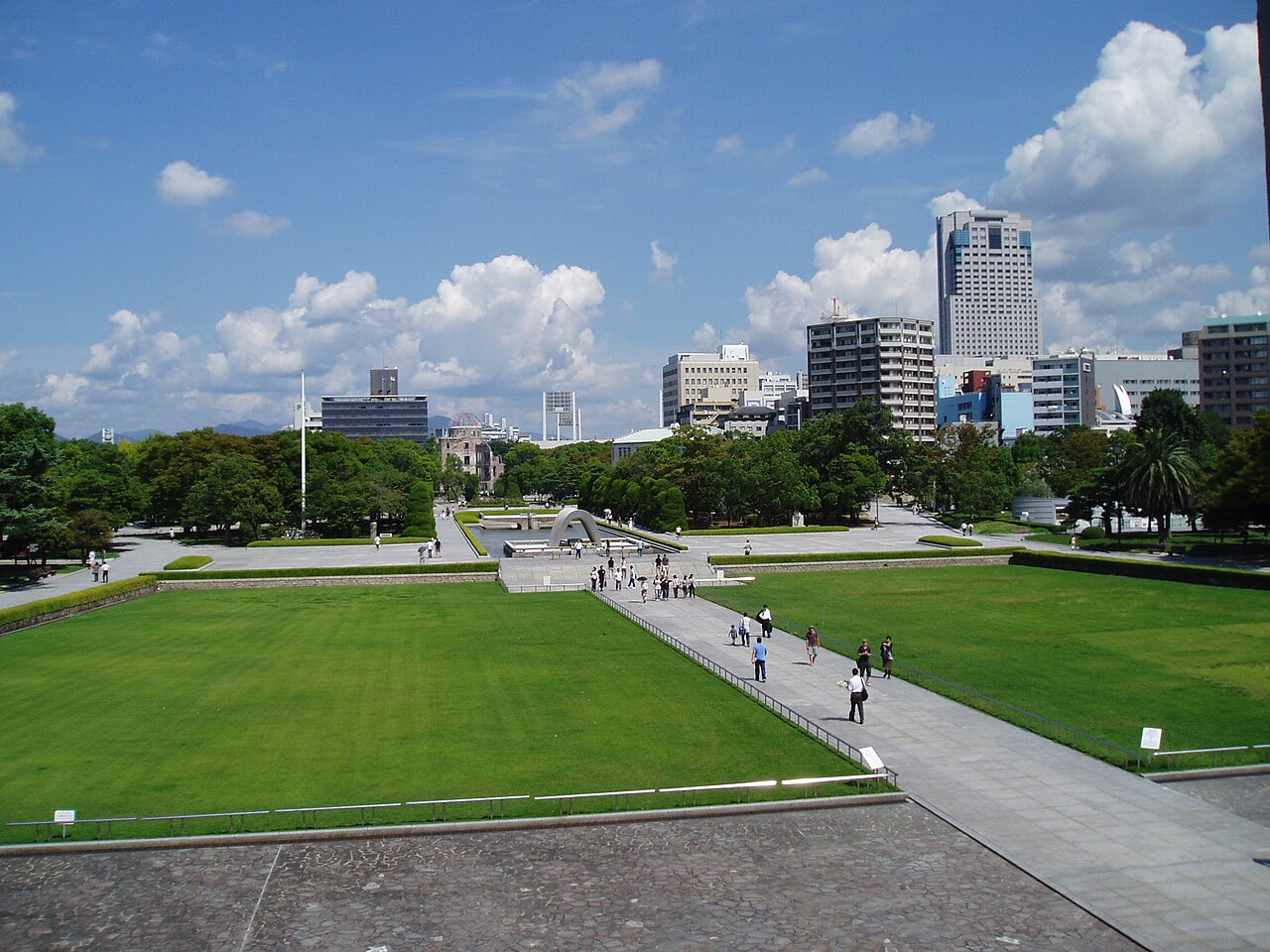
The venue is central, a short walk from the Peace Memorial Park and the main downtown streets, so the show fits naturally into an evening that includes an okonomiyaki dinner. Plan to eat before or after rather than during. The seating is theater style and accessible, but check mobility needs with the operator. It is a short, inexpensive show, and the value is high compared with many evening activities, which is why it is a good choice for the night after a heavy day at the memorials.
What to expect
The experience
A seated evening performance of masked kagura dance with live music and English explanations at a central city venue.
Best time
Evening, on the dates the booking page shows as available.
How long
Roughly forty-five minutes to an hour.
Tips
Check dates before choosing your day, sit near the center and stay for any photo session with the cast.
Quick picks
- Best for
- Families and couples who want a short, colorful cultural evening.
- Families
- Children often love the masks, drums and serpents; the show is short enough to hold attention.
- Couples
- A lively, inexpensive evening before or after dinner.
- Pair with
- An okonomiyaki dinner downtown or an evening walk by the river.
- Time needed
- About two hours including travel and seating.
Good questions
Where is the performance held?+
At the Hiroshima Prefectural Citizen's Culture Center in central Hiroshima, near the Peace Memorial Park.
How long is the show?+
Roughly forty to forty-five minutes in practice, with quoting about an hour.
Is it in English?+
Explanations and subtitles are provided in English, which helps with the stories.
What is kagura?+
A traditional ceremonial dance with live music and masks, historically performed at village shrines in the Hiroshima region.
Is it daily?+
Not necessarily. Check which dates are available on the booking page before planning your evening.