Mitaki-dera climbs a forested slope in western Hiroshima, and its charm is how quickly it shifts you out of the city. Paths follow a stream past stone lanterns, small halls and statues, with three waterfalls tumbling beside the route that give the temple its name, which means three-waterfall temple. A pagoda stands among the trees, and moss, maples and stone steps make the whole hillside look like a painting in November. The temple belongs to the Shingon tradition and has a long history, and visitors can walk the grounds freely without a ticket. The calm of the place suits visitors who have already seen the central memorials and want a gentler spot to reflect afterward. The climb is short but includes steps, so wear sturdy shoes. In autumn the leaves draw photographers and local walkers, and in summer the shade and running water make it a cool escape.
Getting there is easy. Take the JR Kabe Line from Hiroshima Station to Mitaki Station, a few minutes away, then walk uphill for around fifteen minutes along a signed route to the temple gate. The approach is a gentle climb through a residential neighborhood, and the gate opens onto the main paths. Local buses and taxis also reach the area, but the walk is part of the experience and not demanding for most people.
Inside the grounds, follow the stream route first to see the waterfalls and the main halls, then climb the steps toward the pagoda and the upper terraces. Information boards are in Japanese with limited English, so a short read in advance helps. Respect the temple by keeping voices low, not touching offerings and following any posted rules about photography. Small donations and incense are optional, and there is no entry fee for the grounds, though some buildings may have separate arrangements.
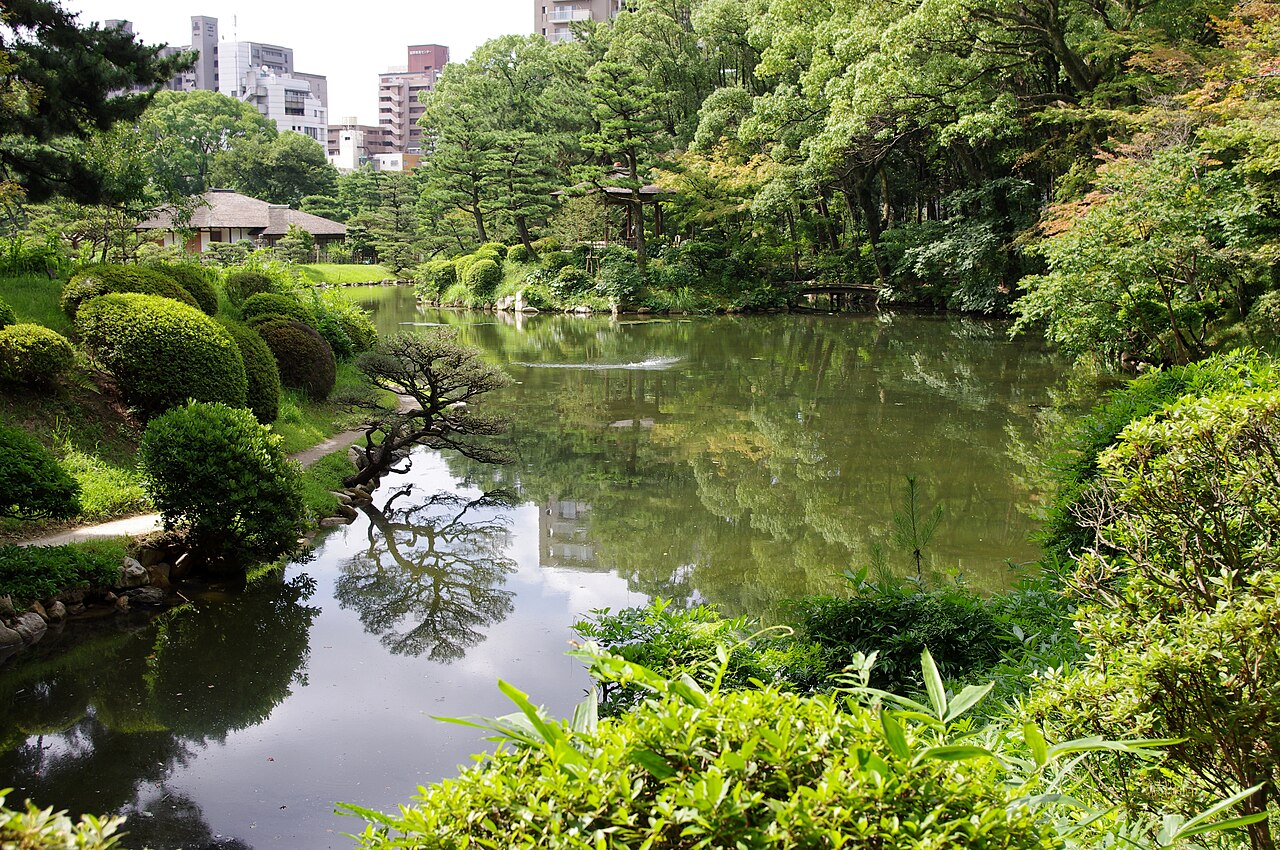
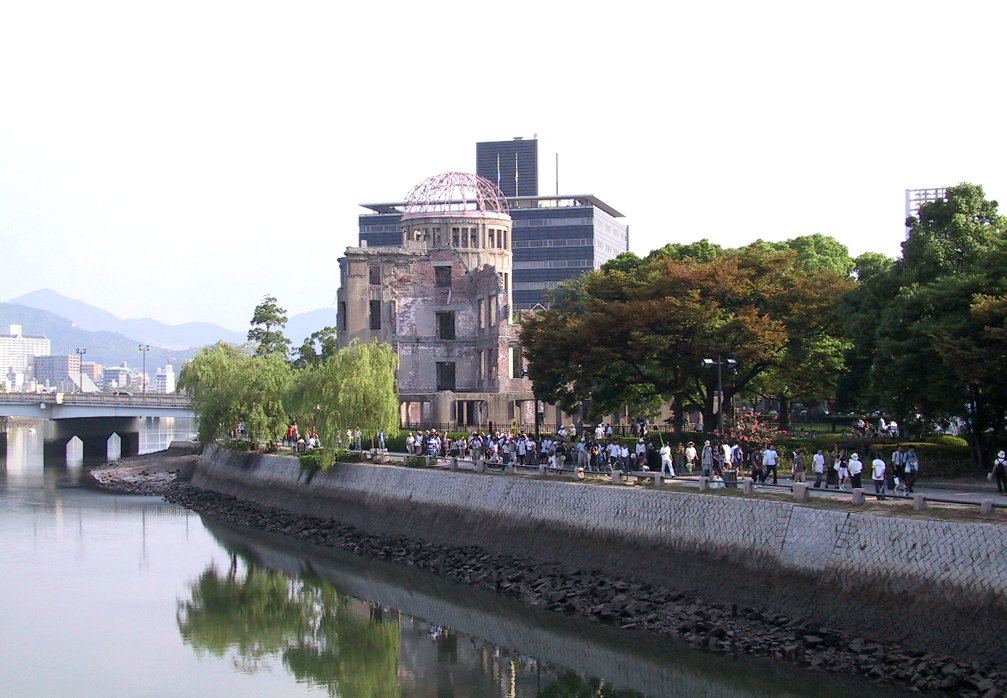
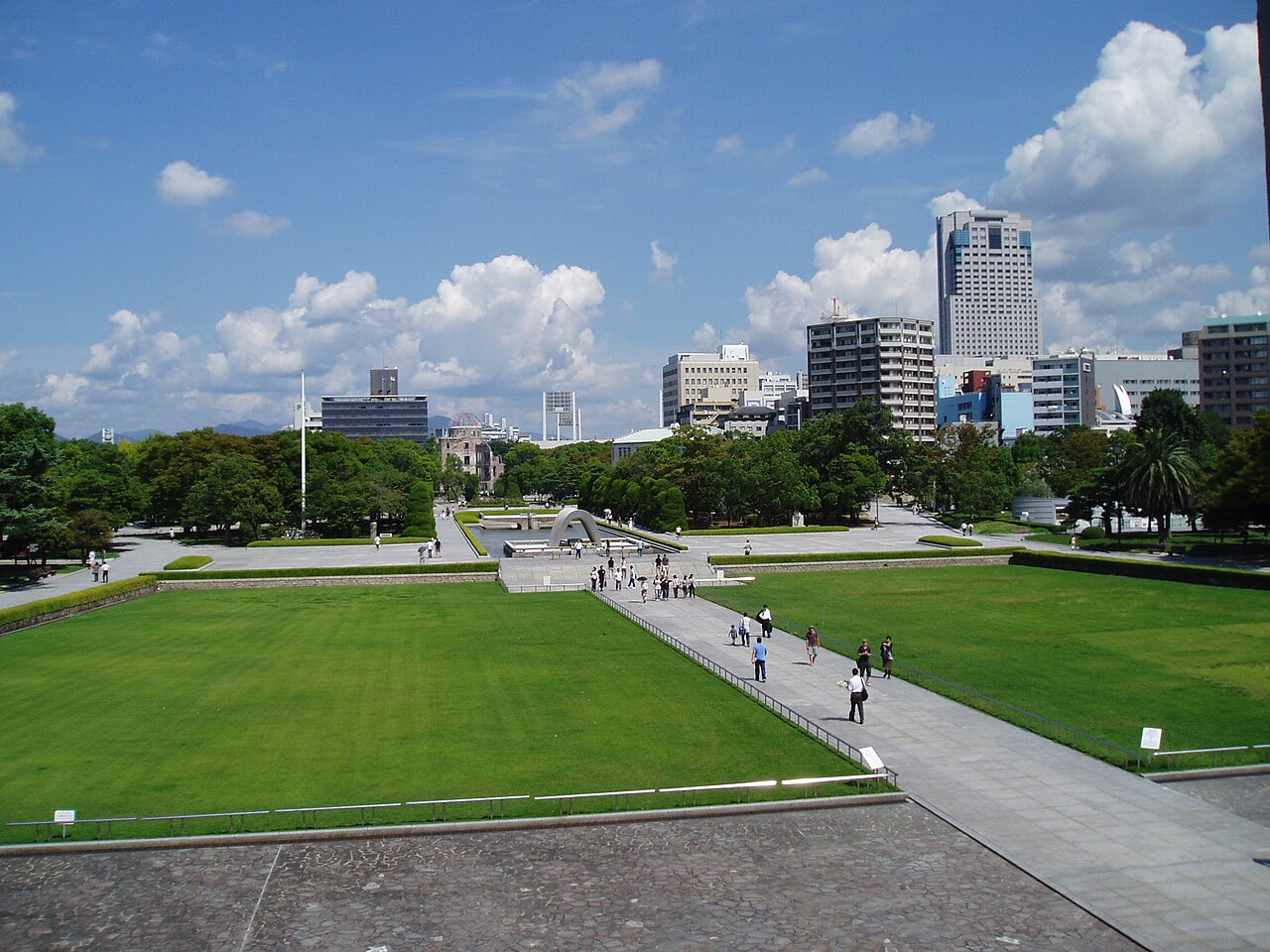
Plan around the seasons. Late October to late November is the maple season and the busiest time, with weekends crowded, so go early. Spring brings fresh green, and summer brings cooler air under the trees. After the visit, return to the station on foot or by bus, and add a quiet lunch in the neighborhood. It combines well with the Peace Memorial Park for a day that balances the central story with a gentler counterpart, and with Shukkeien Garden for another autumn leaf visit.
What to expect
The experience
A free, self-guided walk up a wooded hillside past waterfalls, small halls and a pagoda.
Best time
Late October to late November for maple color, or early morning in any season.
How long
One to two hours including the walk from the station.
Tips
Wear sturdy shoes for steps, go early in leaf season and keep voices low.
Quick picks
- Best for
- Travelers who want a quiet, free, nature-filled temple away from the downtown crowds.
- Families
- Fine for children who like stairs and streams; the paths are uneven in places.
- Couples
- A peaceful walk with waterfalls and autumn color.
- Pair with
- The Peace Memorial Park for a gentler counterpart, or Shukkeien Garden.
- Time needed
- Half a morning or afternoon.
Good questions
Is there an entry fee?+
No. The grounds are free to enter, though some buildings may have separate arrangements.
How do I get there?+
Take the JR Kabe Line to Mitaki Station, then walk uphill for around fifteen minutes following the signs.
When are the autumn leaves best?+
Late October to late November. Go early on weekends to avoid crowds.
Is it suitable for wheelchairs?+
Not really. The grounds include many stone steps and uneven paths.
How long do I need?+
One to two hours, depending on how long you linger at the waterfalls and the pagoda.