Hvar is a Mediterranean island with a strongly seasonal rhythm, and the right time to go depends on what you want from it. Summer brings heat, crowds and a full social calendar. Spring and autumn bring calm, light and lower prices. Winter brings quiet and closures. This guide breaks the year down so you can match the season to your plans.
Summer: July and August
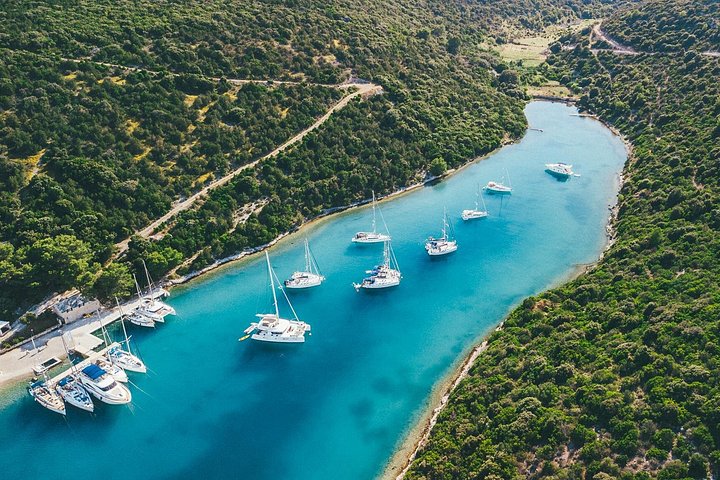
This is peak season, with the hottest weather, the warmest sea, the busiest harbour and the highest prices. Daytime temperatures are often in the high twenties to low thirties Celsius, and the sea is comfortable for long swims. Every boat trip runs, restaurants and bars are open late, and Hvar Town has its liveliest nightlife. Lavender has usually finished blooming by the end of July. The costs are crowds on the waterfront, long queues at the Blue Cave, higher accommodation rates and a need to book months ahead. If you come in summer, plan activities for early morning and evening, take the heat of midday in the water or in the shade, and reserve restaurants and boats well in advance.
Early summer: June
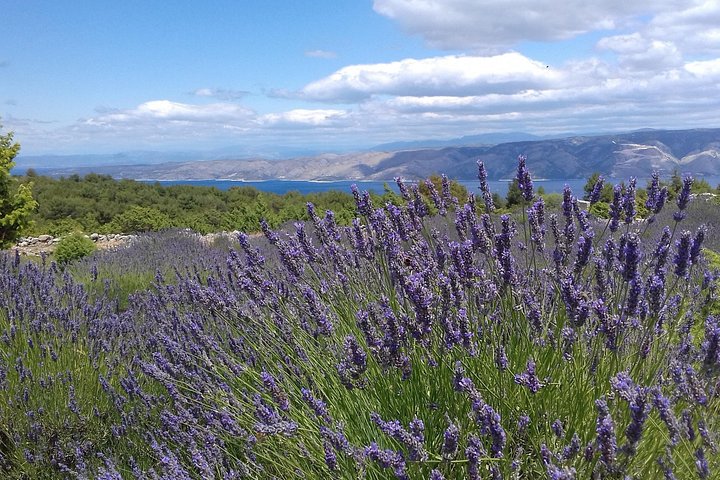
Many regulars consider June the best month. Lavender is in bloom from roughly mid-June, the sea is warming, days are long and the crowds are lighter than in July and August. Boat trips and restaurants are fully operating, and prices are more reasonable. The wind pattern is relatively stable, and the countryside is at its most colorful. Book ahead anyway for weekends and events.
Spring: April and May
The island is green, wildflowers cover the hills and the temperature is pleasant for walking, cycling and exploring. The sea is still cool, so swimming is for the brave, though sailing and kayaking are possible on warmer days. Some businesses are only opening, so check schedules for boats and restaurants. This is a fine season for food, wine, history and active travel. Prices are lower and the atmosphere in the old town is relaxed.
Early autumn: September and early October
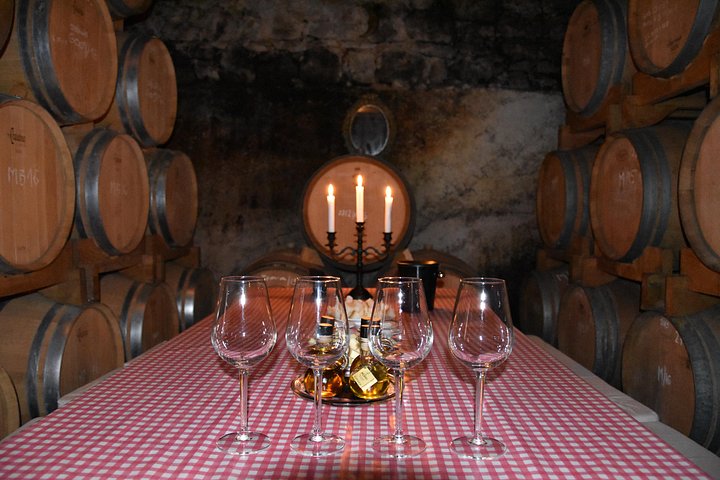
The sea is at its warmest after a summer of heating, the light is golden and the crowds thin noticeably. Harvest brings activity to vineyards and olive groves, and wine tours are especially atmospheric. Boat trips run into October on a reducing schedule. Rain becomes more likely, and thunderstorms can arrive quickly. For many travelers who want beach weather without the peak crowds, September is the sweet spot.
Late autumn and winter
From late October to March the island is quiet. Many hotels, restaurants and boat operators close or shorten their schedules, and the nightlife largely disappears. Temperatures are mild by northern standards but can be wet and windy, with the bora and sirocco affecting ferry services. For visitors who enjoy solitude, walking, photography and local life, it is a pleasant time, but you should confirm that your accommodation and any tours are open. Stari Grad and Jelsa remain more alive in winter than Hvar Town, because they are lived-in towns rather than resort stages.
Sea temperature and swimming
Swimming is comfortable from about June to September and usually bearable in late May and early October. Wetsuits are rarely needed in summer. Water clarity is excellent year round.
Festivals and events
The island hosts sailing regattas, music events and religious festivals through the warm months, and these can fill accommodation. Check dates when you plan, and book earlier for weekends.
Our pick
For the best balance of weather, sea, bloom and value, choose mid-June or September. For lavender, aim for late June. For quiet and good prices, choose May or early October. For nightlife and a full social scene, choose July and August, and book ahead.
Packing by season
In summer, bring light clothes, a hat, reef shoes and strong sun protection. In spring and autumn, add a light jacket and a waterproof layer. In winter, pack warm clothes, sturdy shoes and an umbrella. In every season, comfortable shoes with grip are essential for the polished stone streets, and a refillable water bottle is useful on hot days.
Booking strategy
If your dates are flexible, check the weather and your budget together. Midweek travel is often cheaper, and shoulder seasons offer the best value. If your dates are fixed in July or August, book the most important items first: accommodation, the Blue Cave trip and any dinner you care about.