Hvar looks small on a map and feels bigger on the ground. It is a long, narrow island, roughly eighty kilometers from end to end, with a glamorous harbour town at one end, a Greek-founded port on the north coast and a quiet spine of villages and vineyards in between. Three days is enough to taste all of it if you sequence the days sensibly: one day for the town, one for the sea and one for the interior. The order below leans on the weather and the crowds rather than on a rigid schedule, and it works from late spring to early autumn.
Day one: Hvar Town, slowly
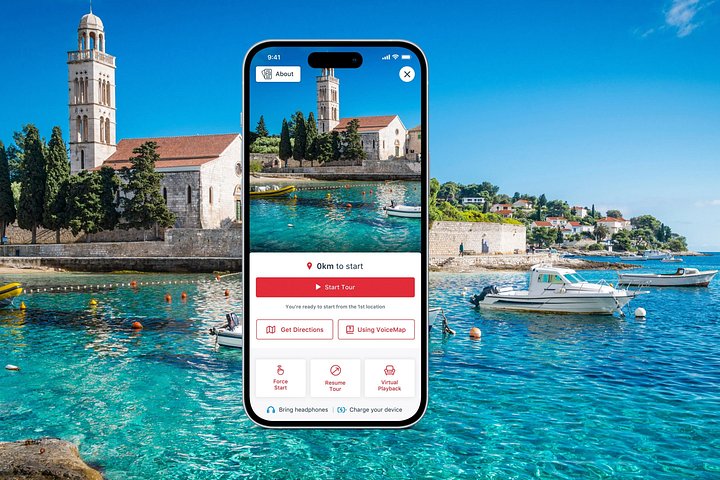
Arrive by catamaran or ferry and drop your bags, then start the way most visitors do, on the main square. Walk the loop of the cathedral, the Venetian arsenal and the theatre above it, then wander the lanes behind the square, which are quieter and more atmospheric than the harbour front. A self-guided loop takes an hour or two, and a guided walk adds stories you would otherwise miss. In the late afternoon, climb to the fortress on the hill. The path zigzags through pines and agave, and the view of the harbour, the roofs and the Pakleni Islands is the island's best. Go as the light softens, then come down for dinner on the waterfront. Keep the evening easy; you will want energy for tomorrow.
Day two: the sea
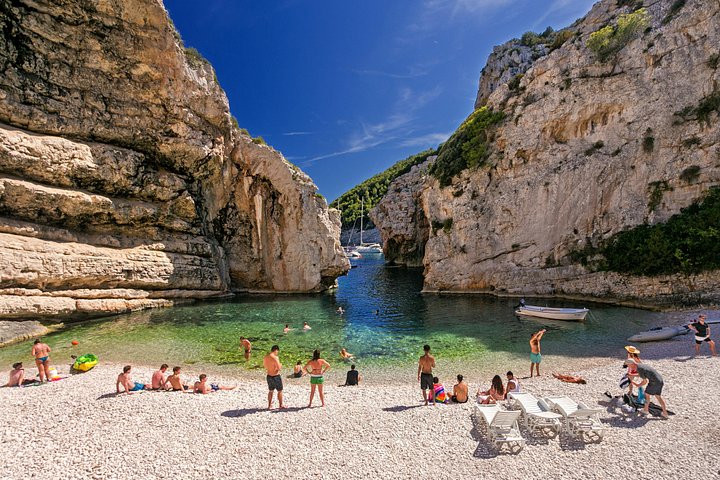
Spend one full day on the water, because the sea is Hvar's headline. The classic choice is the full-day group trip that runs to the Blue Cave on Bisevo, the Green Cave and the Pakleni Islands, with swim stops and lunch at Palmizana. It is long, sociable and spectacular, and the cave fees are paid on site, so carry cash. If you prefer a gentler day, choose a half-day sail among the Pakleni Islands, a sea kayak trip or a private speedboat along the south coast to the Red Rocks. Book early in your stay so you have a spare day if the wind is strong. Come back in time for a long shower, a cold drink and an unhurried dinner.
Day three: the interior
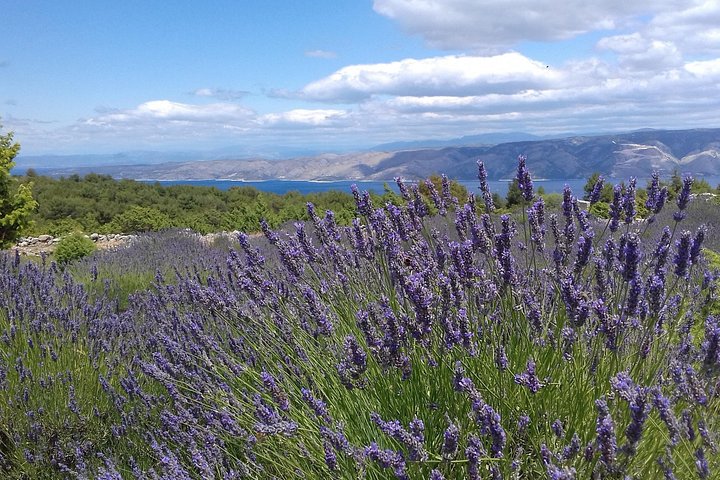
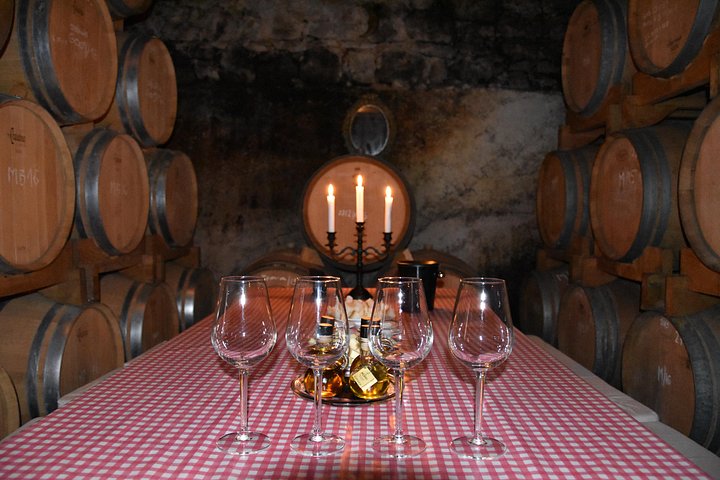
Hvar's second personality is rural. Choose one countryside experience and let it fill the day. In June and July, the lavender tour is the obvious pick, with purple fields and village stops. Outside bloom, the wine tour is an excellent alternative, tasting Plavac Mali and Bogdanusa among steep vineyards. If you like a bit of exercise, join a guided e-bike ride. If you want history, drive or join a tuk tuk tour to Stari Grad, walk the lanes, visit the Tvrdalj and see the ancient Greek plain, which is a World Heritage landscape. Finish with a meal at a family konoba, where the food is simple and the wine is local.
Where to base yourself
For three days, Hvar Town is the best base because the boats, the fortress and the restaurants are all within a short walk. A harbour-front hotel puts you in the middle of the action; a bay hotel a short distance out gives you calmer nights. If you prefer a slower pace or a lower budget, Jelsa and Stari Grad are good alternatives, with a bus or taxi leg of twenty to thirty minutes to the town. Book early for summer, when rooms and boats sell out.
Practical tips
Wear shoes with grip for the polished stone, carry cash in euros for cave fees and small purchases, and bring a light layer for evenings and boat rides. Sun protection matters at every time of year, and water is easy to forget on a hot climb. Restaurants fill quickly at dinner in summer, so reserve ahead. If you have a fourth day, add a half-day sail, a cooking class or a lazy beach afternoon. If you have only two, combine the first and third days into a single land day and keep the sea day.
If it rains
Hvar is sunny for much of the year, but showers happen, especially in autumn and winter. A wet day is good for a cooking class, a food tasting or a wine tour, which are largely indoors, and for a slow lunch in the old town. Boat trips may be cancelled in strong wind, so build in flexibility.