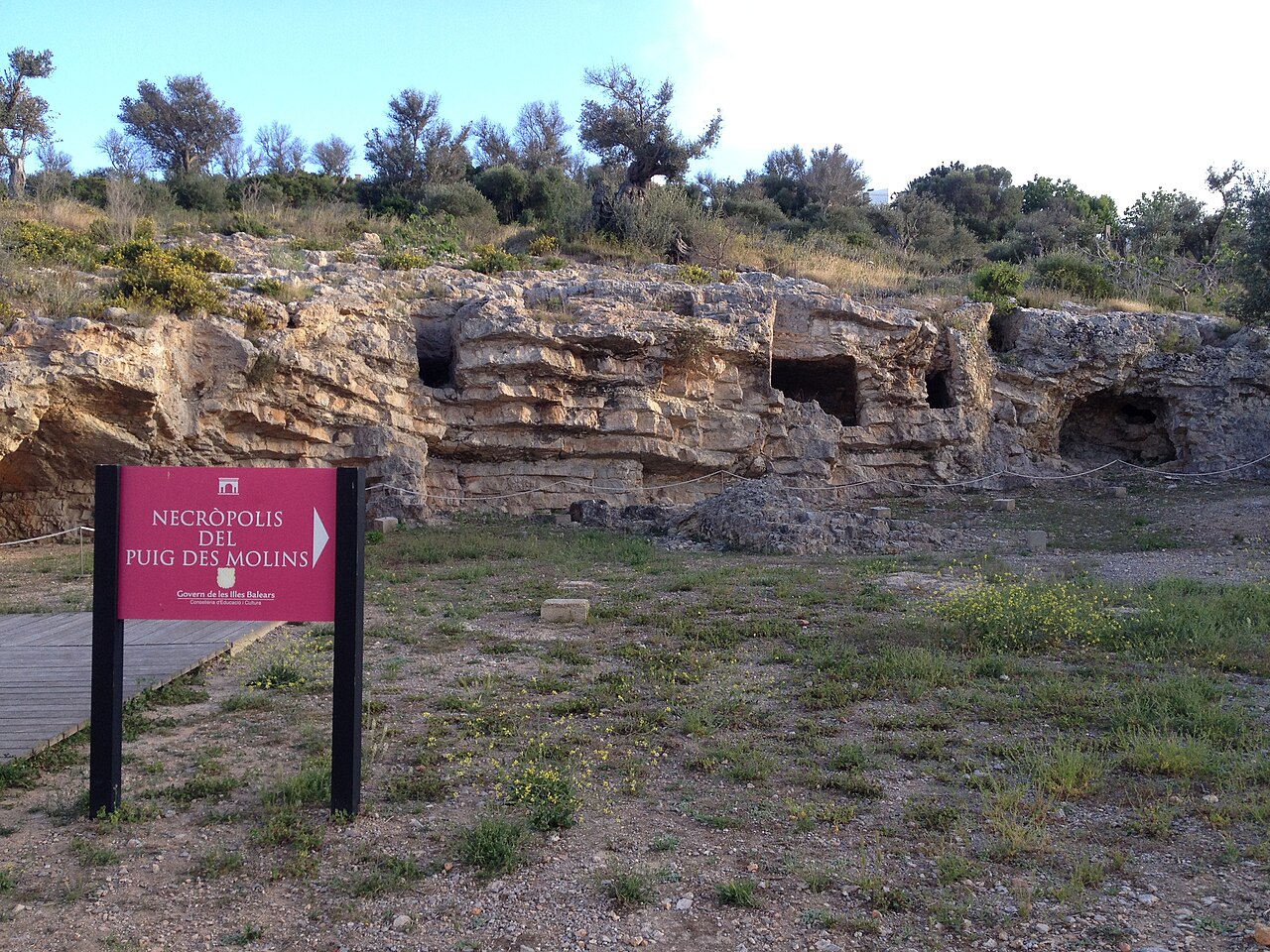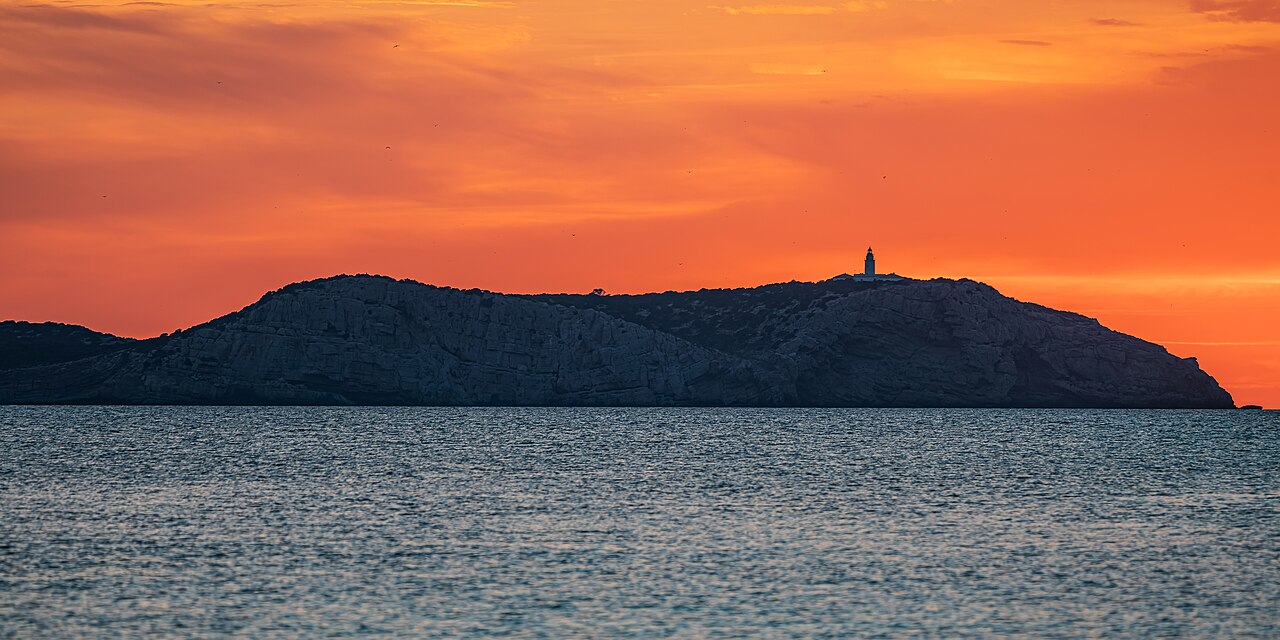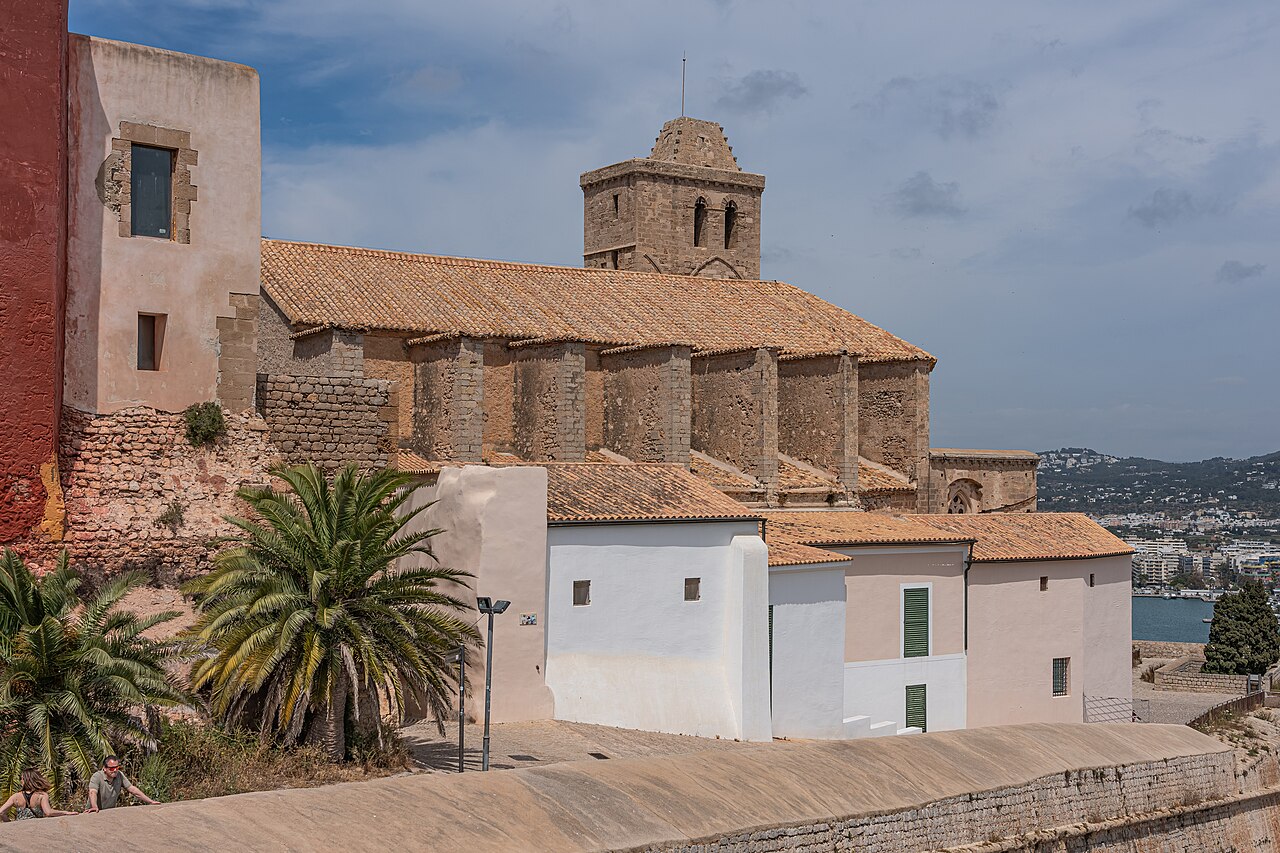
Sa Caleta is where Ibiza's story begins. The settlement dates from the latter part of the eighth century BC, and the municipality of Sant Josep describes it as an urban-type village comparable to similar Phoenician sites in southern Iberia. It may have started as a seasonal base for expeditions and trade before turning into a permanent community. Estates were laid out irregularly, with alleyways and small communal squares between them, and two circular ovens about two metres wide were found in the shared areas. The people of Sa Caleta smelted silver-bearing lead ore, worked iron and bronze, farmed, raised animals, fished and gathered shellfish, and they also worked the nearby salt flats. Around 600 BC the village was abandoned, peacefully and deliberately, and its inhabitants may have moved to the Bay of Ibiza, where the city that still stands today emerged. The ruins lie on a small peninsula between the beach of Es Codolar and the hill of Es Jondal on the southern coast, beside a little jetty sheltered from the north and west winds. UNESCO declared the site a World Heritage site in 1999, alongside Dalt Vila and the necropolis of Puig des Molins, and a nearby interpretation centre tells the story of the settlement.
What you will see
The low stone foundations of houses, narrow lanes and the circular ovens, set on a rocky headland with the sea on three sides. The remains are modest rather than monumental, so this is a place that rewards a little preparation. Read about the settlement before you go, or visit the interpretation centre first, and the footprints of the houses begin to make sense as a small, busy industrial village working lead, iron and salt.
Why it matters
Sa Caleta is the earliest known Phoenician settlement on the island, and it explains why the Phoenicians were drawn here, with natural harbours, salt, metal ores and a position on trade routes between the central Mediterranean and southern Spain. Together with the later city of Ibiza and its burial ground at Puig des Molins, it forms the heart of the island's World Heritage story. Seeing the three together turns Ibiza from a holiday island into a place with nearly three thousand years of continuous history.
Practicalities
The site is on the south coast near the road to Cala Jondal, and a car or taxi is the easiest way to reach it. Access arrangements, opening hours and any admission fee are set locally and can change with the season, so check before you go. Wear sturdy shoes because the ground is rocky and uneven, and bring a hat and water, because there is little shade on the headland. The wind can be strong, especially on winter afternoons.
Making it a plan
This is a good late-afternoon visit, with the light low over the sea and the beaches nearby quiet in the cooler months. Combine it with the salt lagoons of Ses Salines, a walk on the nearby coast or a drink at one of the beach restaurants that stays open at Cala Jondal. For a fuller day of history, begin at Dalt Vila and the Puig des Molins museum and finish here, so you travel from the Renaissance walls back to the island's first town.
What to expect
The experience
A short, self-guided visit to the stone foundations of a Phoenician village on a small peninsula, with an interpretation centre nearby.
Best time
Late afternoon, when the light is low and the headland is quiet.
How long
About an hour, including the walk around the ruins and the nearby shore.
Tips
Wear sturdy shoes, bring water and a hat, and check local access and any fee before you set out.
Quick picks
- Best for
- History lovers who want to see where Ibiza's story began, before Dalt Vila existed.
- Families
- Open ground and sea views, but the ruins are modest, so keep the visit short.
- Couples
- A quiet late-afternoon walk on the headland followed by dinner on the south coast.
- Pair with
- Ses Salines Natural Park, Puig des Molins and Dalt Vila.
- Time needed
- One hour; two with the interpretation centre.
Good questions
How old is Sa Caleta?+
The settlement dates from the later eighth century BC and was abandoned peacefully around 600 BC.
Is it a World Heritage site?+
Yes, UNESCO declared it a World Heritage site in 1999, together with other Ibiza treasures.
What did people do here?+
They smelted silver-bearing lead ore, worked iron and bronze, farmed, fished and worked the nearby salt flats.
Where is it?+
On a small peninsula on the southern coast between Es Codolar beach and the hill of Es Jondal.
Do I need a car?+
A car or taxi is the easiest option, as public transport to the south coast is limited, especially in winter.