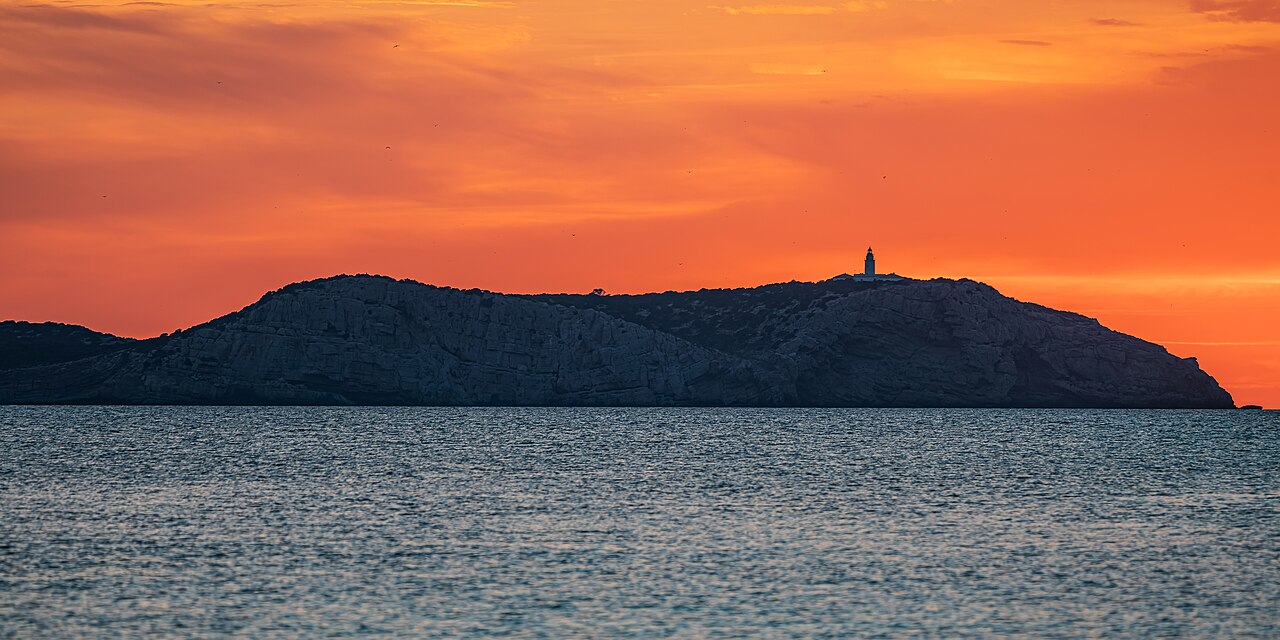
Ses Salines is the wild, flat, shimmering south of Ibiza, and it is the reason the island's southern tip looks so different from the pine-covered hills of the north and west. The Ses Salines d'Eivissa i Formentera Natural Park covers roughly 2,750 hectares of land and more than 14,000 hectares of sea, and it runs from the south of Ibiza across the strait to the north of Formentera. Its landscape is made of shallow lagoons, old salt pans, dunes, sandy beaches and meadows of Posidonia oceanica, a sea grass that keeps the water remarkably clear and oxygenated. The Balearic tourism board notes that the lagoons host around 210 species of migratory birds that stop over or breed here, with flamingos the most photogenic. On Ibiza the park takes in the beaches of Ses Salines, Es Cavallet and Es Codolar, while across the water it includes S'Espalmador and the lagoons of Formentera. The salt that was harvested here for centuries is part of the reason Phoenician settlers chose this coast, and the white salt mounds still stand beside the ponds. The park can be reached from both islands, and it is a natural companion to a Formentera day.
How to explore it
The park is best handled as a slow, open-air outing rather than a single stop. Four signposted routes can be walked or cycled, and the junctions give wide views across the ponds, the salt mounds and the strait toward Formentera. The interpretation centres, including Can Marroig on the Formentera side, are recommended by the tourism board, especially for families with children. Flat ground and long sight lines make it an easy place for cyclists and for visitors who do not want a strenuous hike.
The seasons
In summer the beaches at the edge of the park, especially Ses Salines and Es Cavallet, are busy with beach clubs and day trippers. In the cooler months the pace changes completely. The ponds are quiet, the light is long and low, and the birdlife is easier to enjoy without crowds.
Flamingos are not guaranteed on any given day, so treat a sighting as a bonus rather than a promise. The wind can be strong on the open flats, so bring a windproof layer even on a sunny day, and sunscreen and water because there is very little shade.
Looking after the place
This is a protected area, so stay on the marked paths and tracks, keep dogs under control, take rubbish with you and never walk on the dunes or pull up seagrass that has washed ashore. The washed-up Posidonia banks on the beach protect the sand from winter storms and are a sign of healthy water, not dirt. Taking sand, shells or salt crystals home is discouraged.
Making it a plan
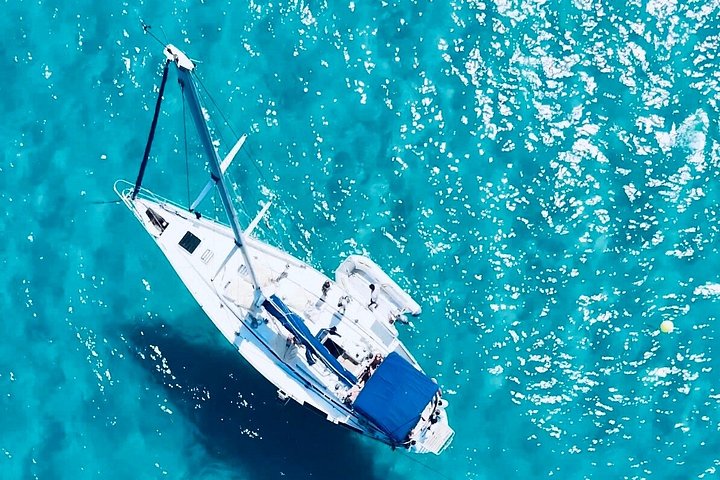
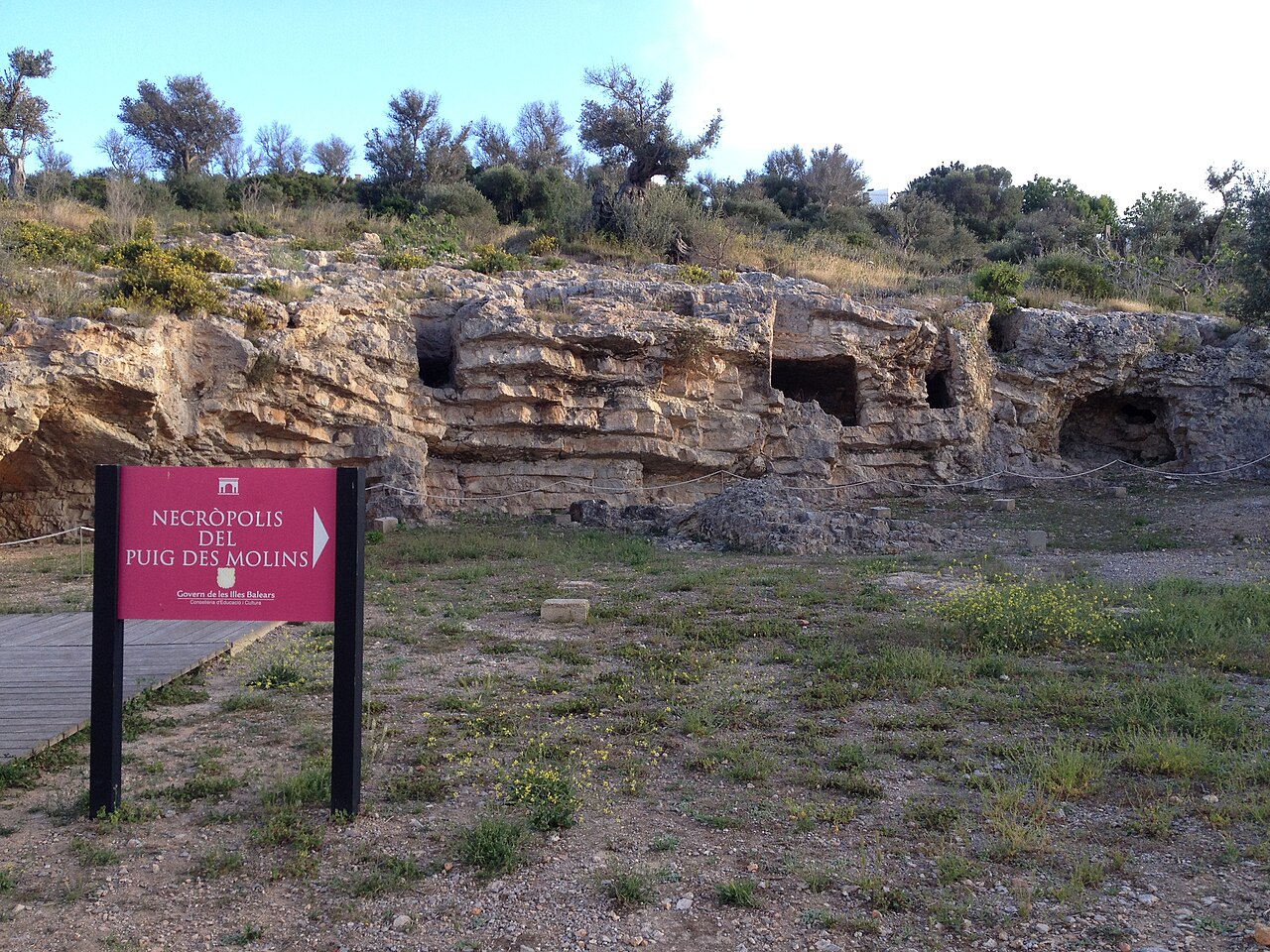
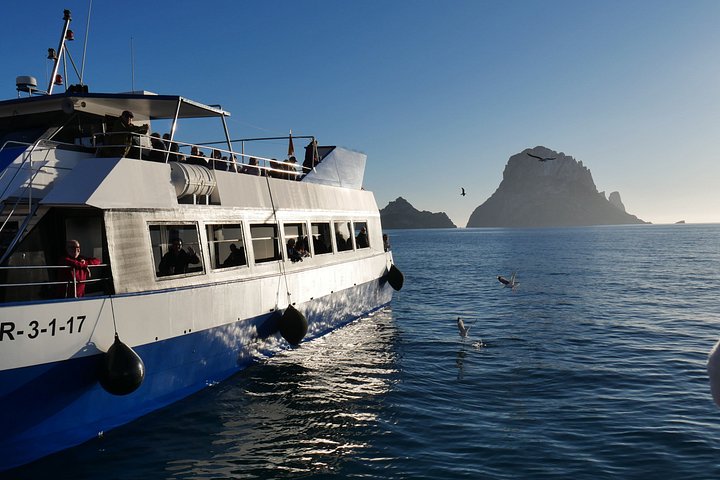
Combine the park with a late-afternoon drive to the south of the island, then watch the light change over the salt pans before heading back toward Ibiza Town for dinner. If you prefer to see it from the water, the Formentera sailboat day passes through the same shallows, and the stretch of coast to the west holds the Phoenician settlement of Sa Caleta, which makes a thoughtful pairing for anyone interested in why people settled here in the first place.
What to expect
The experience
A self-guided outing on foot or by bike along the flat tracks between the salt ponds, dunes and beaches at the south end of Ibiza.
Best time
Morning or late afternoon, when the light is soft and the birds are most active. The off-season months are the quietest.
How long
Two to three hours at an easy pace, longer if you add a beach stop or an interpretation centre.
Tips
Bring a windproof layer, sun protection and water, stay on the marked paths, and carry binoculars if you have them.
Quick picks
- Best for
- Nature lovers, cyclists and anyone who wants a gentle, flat, free outing away from the party side of the island.
- Families
- Easy ground and plenty to look at, with the interpretation centres a good rainy-day backup.
- Couples
- A slow late-afternoon walk along the ponds as the light turns gold.
- Pair with
- The Sa Caleta Phoenician settlement along the coast, or a Formentera day by boat.
- Time needed
- Half a day with a beach stop; two hours for a short walk.
Good questions
Is Ses Salines Natural Park free to visit?+
Yes, walking or cycling the routes and visiting the beaches costs nothing. Some interpretation centres and beach businesses keep their own hours and charges.
Will I see flamingos?+
The lagoons host many migratory and resident birds, and flamingos are among the best known, but sightings depend on the season and the day. Treat them as a bonus.
Can I cycle there?+
Yes. The ground is flat, and the tourism board describes four routes that can be walked or cycled, with panoramic viewpoints at the crossroads.
What is the seagrass on the beach?+
It is Posidonia oceanica, a protected sea plant that keeps the water clear and shields the sand from storms. Leave washed-up banks where they are.
Is the park on Ibiza or Formentera?+
Both. It covers the south of Ibiza, the sea between the islands and the north of Formentera, and you can reach it from either island.