The walled city of Jaipur is organised by trade. Johari Bazaar sells jewellery and gemstones, Bapu Bazaar textiles and juttis, Tripolia Bazaar lac bangles and brassware, and Chaura Rasta the spices and sweets that fuel everyone in between. A food and bazaar walk threads these streets with a local guide, stopping at long-standing stalls for dishes that most visitors would not find alone. Typical tastings include pyaaz kachori, a crisp pastry with spiced onion filling, mirchi vada, fresh lassi served in clay cups, ghewar sweets in season and a milky masala chai from a corner stall. The Viator tour linked here runs for about three hours, starts from a central meeting point and is led by a local guide who explains the history of the markets as well as the food. It is vegetarian-friendly, since Rajasthani cooking leans heavily on vegetables, lentils and dairy, but check dietary needs with the operator when you book. This is the best way to begin a stay, because it teaches you how the city works and gives you a shortlist of places you can return to.
What it is like: the markets are intense. Expect narrow lanes, motorbikes, vendors calling out and strong smells of frying, spices and sweets. A guide makes the experience much easier by choosing the cleanest, busiest stalls where turnover is high, handling the ordering and explaining each dish. You will walk at a gentle pace and stop frequently, but you will be on your feet for around three hours, so wear comfortable shoes. Many tours start in the morning or late afternoon to avoid the worst heat.
Eating safely: street food in India is a highlight and sensible precautions go a long way. Choose busy stalls, eat food that is freshly cooked and hot, and drink bottled or filtered water. If you have a sensitive stomach, take it slowly and ask the guide to adjust the spice level. Most tours include enough tastings to count as a light meal, so skip the big hotel breakfast beforehand.
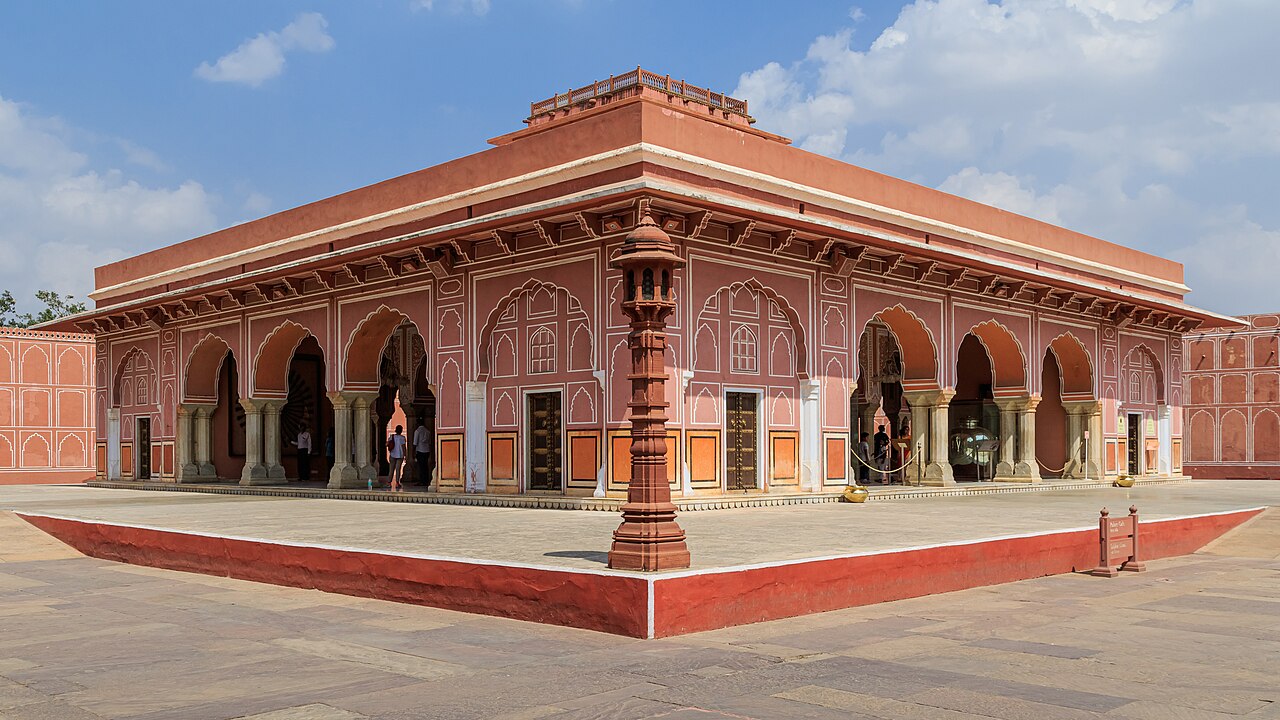
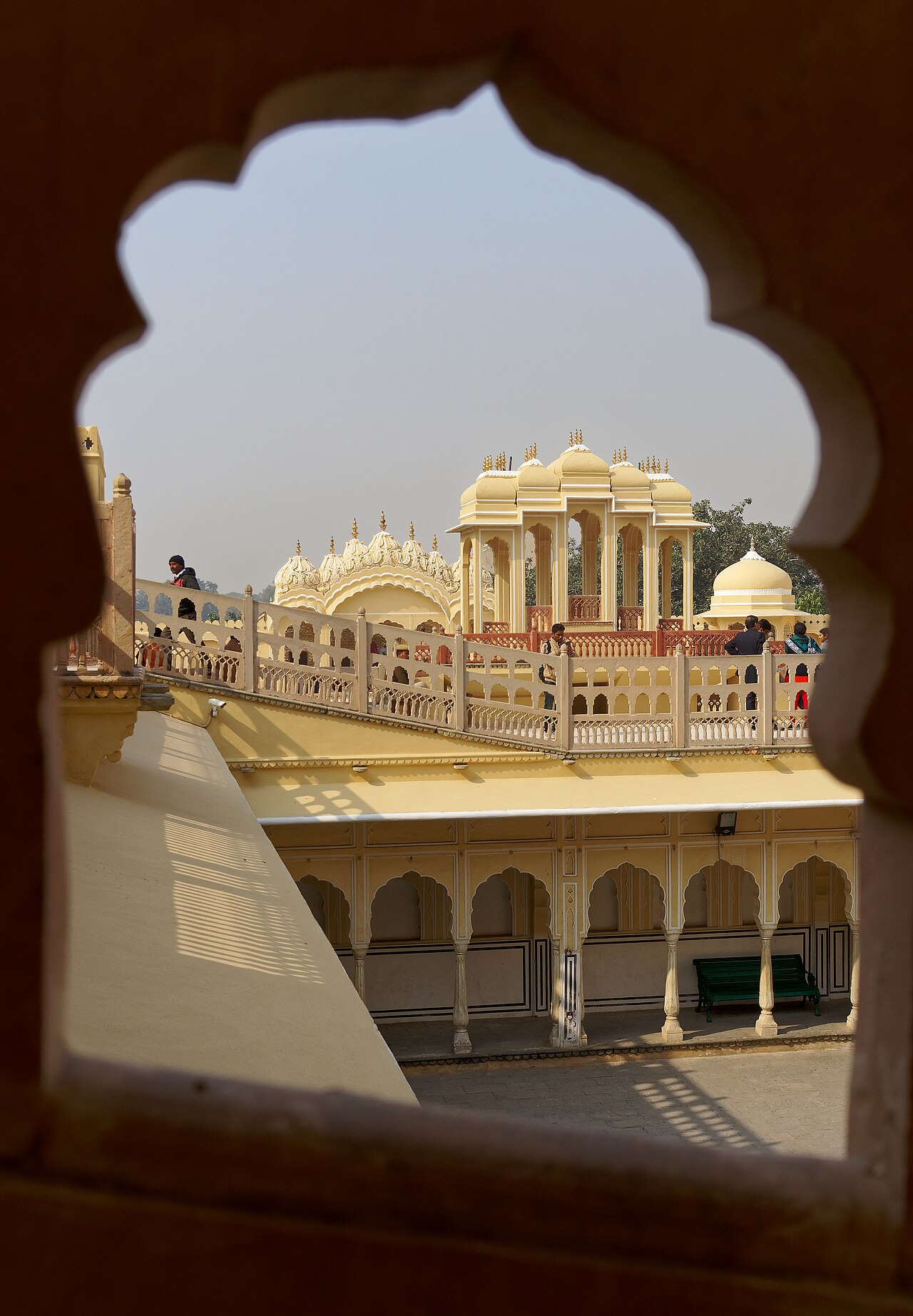
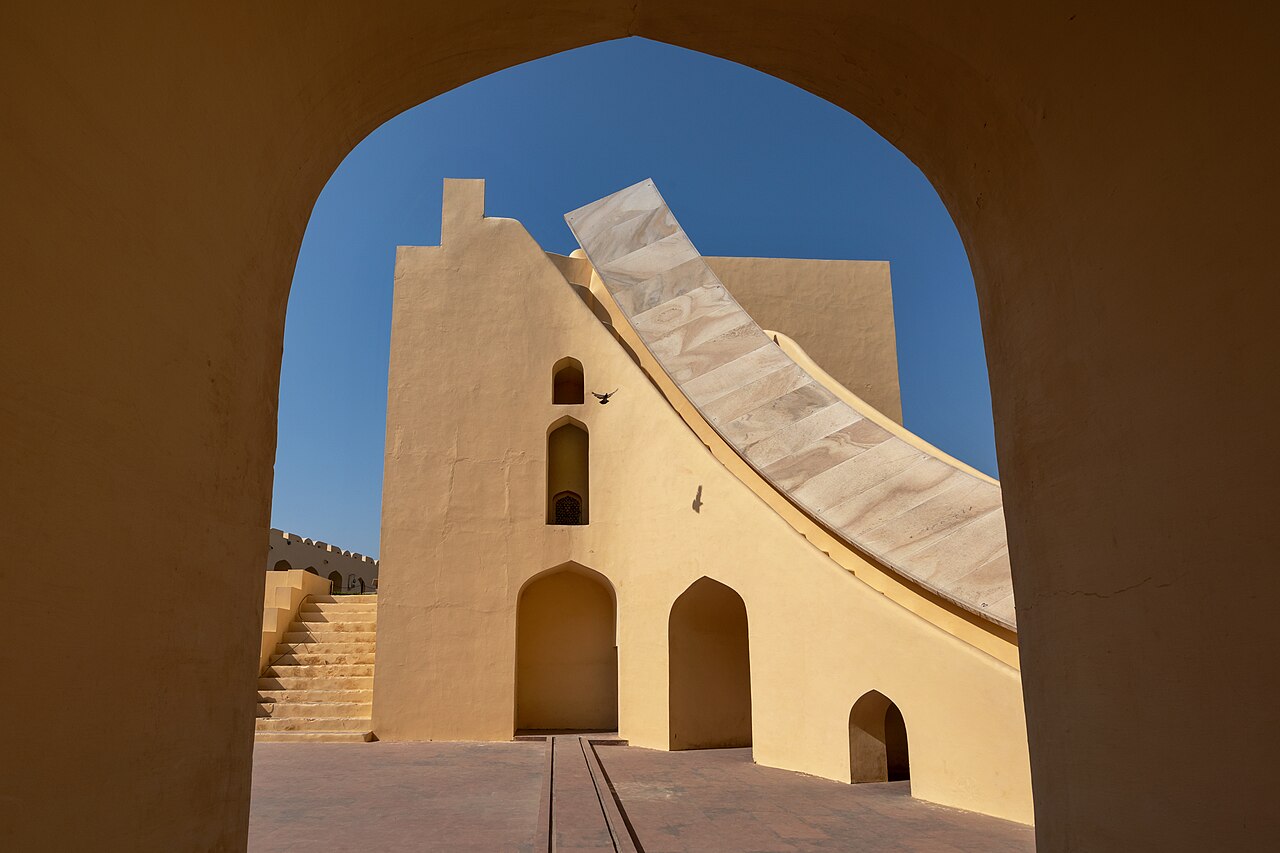
Making use of it: use the walk to scout the markets. Note the shops you liked for textiles, jewellery or spices, and come back after the tour to buy. Bargaining is expected in most bazaars outside fixed-price shops. The walk pairs well with Hawa Mahal, City Palace and Jantar Mantar, which are within a few minutes on foot, and with the block-printing workshop if you want to turn your interest in textiles into a hands-on class. Mondays and some Sundays can see parts of the markets closed, so check the operator for the day you plan.
What to expect
The experience
A guided walk through the old-city bazaars with several tastings at established stalls and sweet shops.
Best time
Morning or late afternoon, when it is cooler and the markets are lively.
How long
About three hours at a relaxed pace.
Tips
Arrive hungry, wear comfortable shoes, carry small change and tell the guide about dietary needs before you start.
Quick picks
- Best for
- Food lovers and first-timers who want a confident introduction to the old city.
- Families
- Good for adventurous older children; be mindful of crowds and spice levels.
- Couples
- A fun, shared experience that ends with a list of favourites to revisit.
- Pair with
- Hawa Mahal and City Palace, both close to the route, and the block-printing workshop.
- Time needed
- Three hours.
Good questions
Is street food in Jaipur safe to eat?+
A guided tour chooses busy stalls with freshly cooked food, which lowers the risk. Drink bottled or filtered water and take it slowly if you are new to Indian street food.
Can vegetarians join?+
Yes, Rajasthani cuisine is rich in vegetarian dishes such as kachori, dal and sweets. Confirm any dietary requirements with the operator when you book.
What will I taste?+
Typical stops offer kachori, mirchi vada, lassi, chai and sweets, though the exact route varies by guide and season.
Which bazaars are covered?+
Routes usually pass through the heart of the old city, including areas around Johari, Bapu and Tripolia bazaars. Your guide will confirm the route.
Is the tour worth booking ahead?+
Yes, popular departures can fill up, especially in the cooler months from October to March.