Jaipur is the easiest big city in Rajasthan to enjoy, and a first visit works best with a little planning. The Pink City is founded on a grid, but its best sights are spread across forts on the hills, a palace and observatory in the walled city and bazaars between them. Here is how to organise it.
How many days
Two full days cover the headline sights, and three days let you add a cooking or craft experience and a slower pace. Add a fourth day if you want to take the Ranthambore tiger safari. October to March is the best season, with cooler days; summer is very hot, and the monsoon brings humid, rainy weather.
What to book ahead
Four things are worth booking before you land. First, a guide or tour for Amber Fort, such as the private half-day tour linked on this site, because the fort is large and a guide makes it much richer. Second, a bazaar and food walk, which is a fine introduction to the city and often sells out in the busy season. Third, a block-printing workshop if you want a hands-on craft experience. Fourth, Ranthambore, if you want a safari, since permits are limited. Monument tickets can usually be bought on the day, and a composite ticket for several state-run sights is good value if you will see Amber, Hawa Mahal, Jantar Mantar, Nahargarh and Albert Hall. City Palace has its own separate ticket.
Getting around
Jaipur is spread out, so use cars rather than trying to walk between sights. App-based taxis and auto-rickshaws are inexpensive, and a driver for a full day is a good option for the forts. The old city is walkable once you are in it, but the lanes are busy, so keep belongings secure and cross roads carefully. Ask your hotel to arrange early starts, because the best light and the fewest crowds come in the morning.
Day one: the walled city
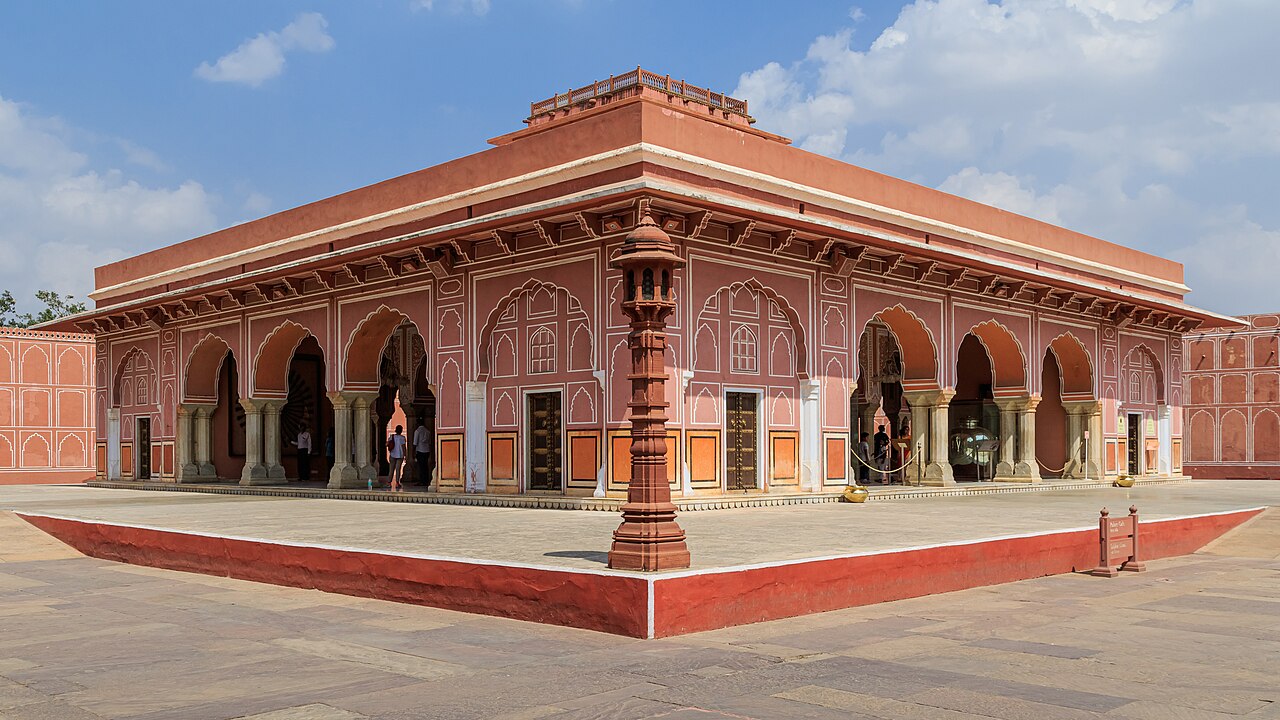
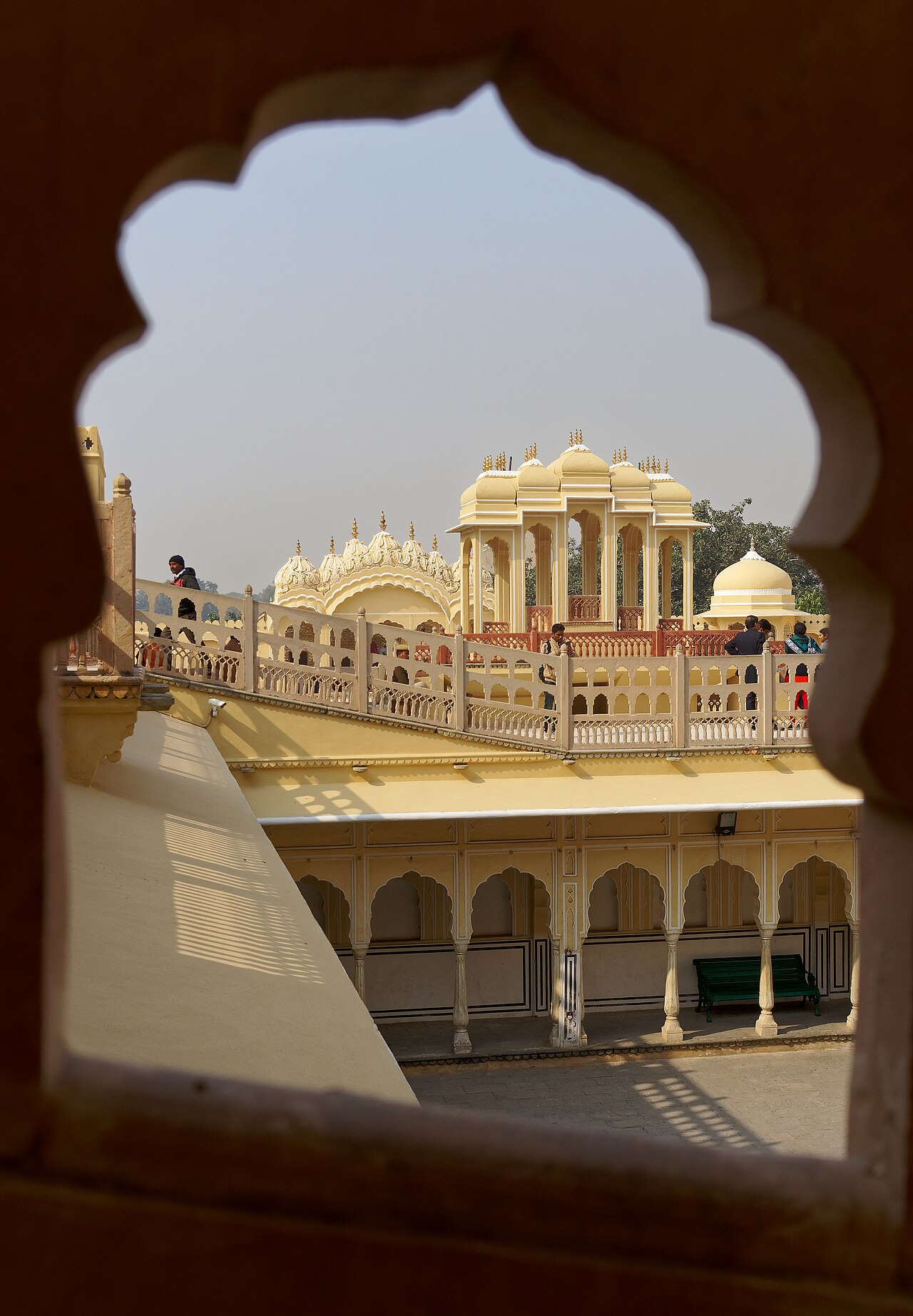
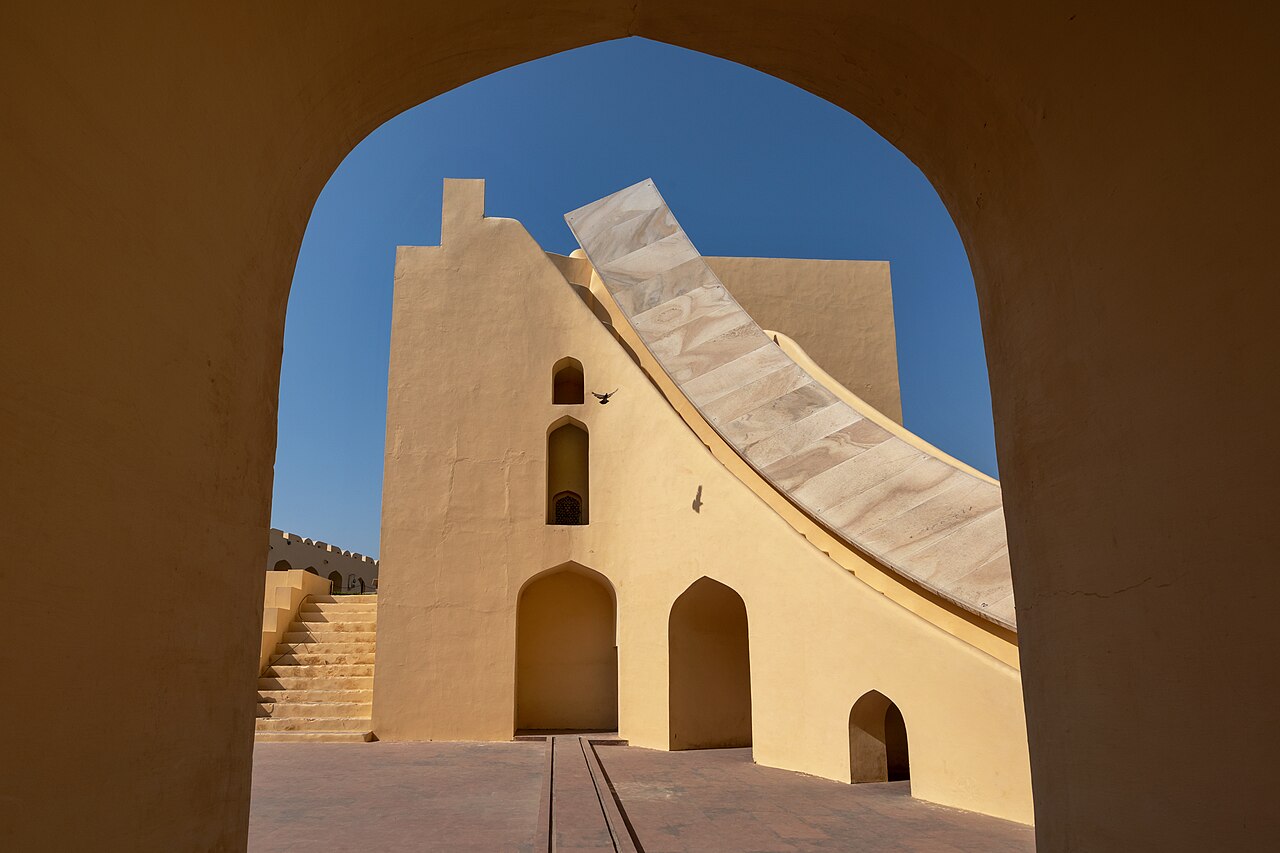
Start at City Palace at opening, then walk next door to Jantar Mantar, with a guide if you can. Continue to Hawa Mahal, and take coffee on a rooftop across the street to photograph the facade. Spend the afternoon in the bazaars, perhaps with a guided food walk, and finish with dinner in the old city.
Day two: forts and sunset
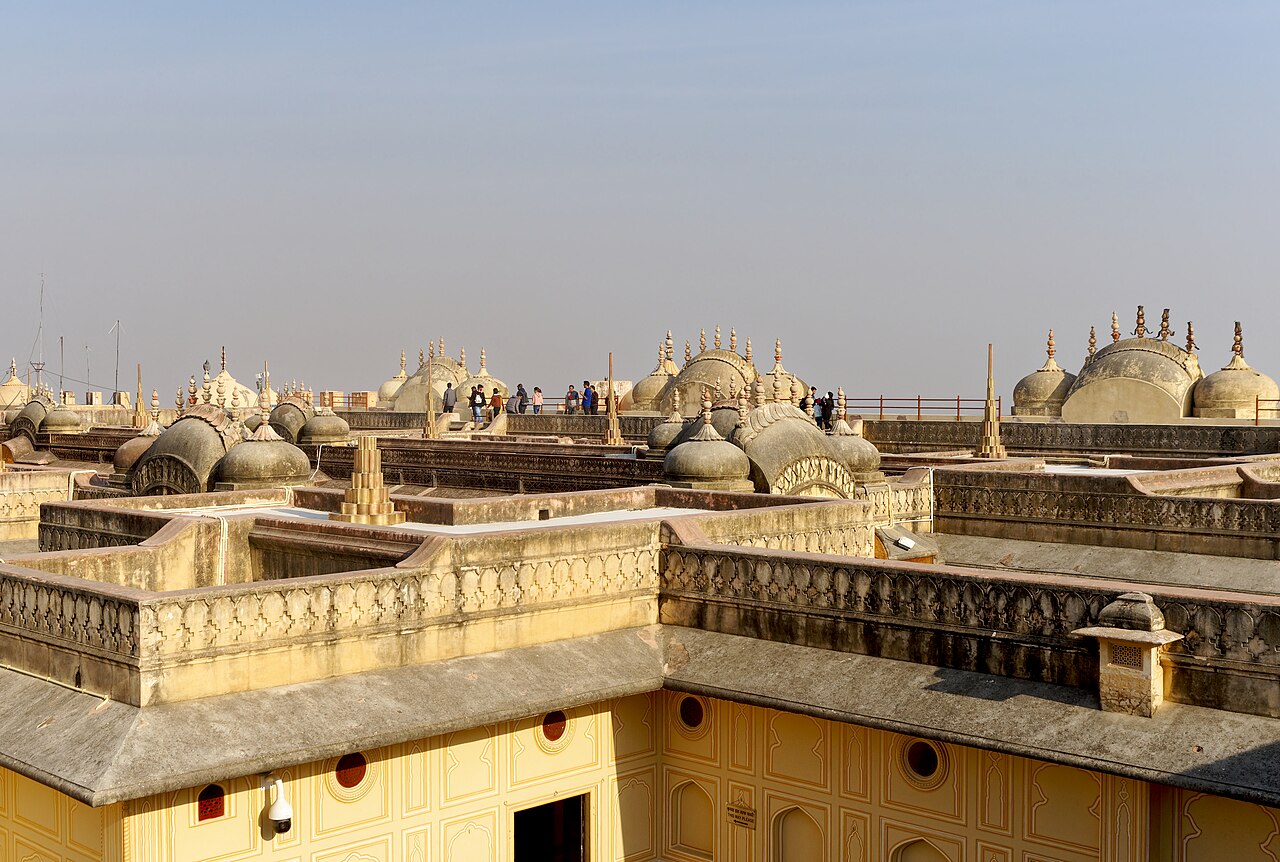
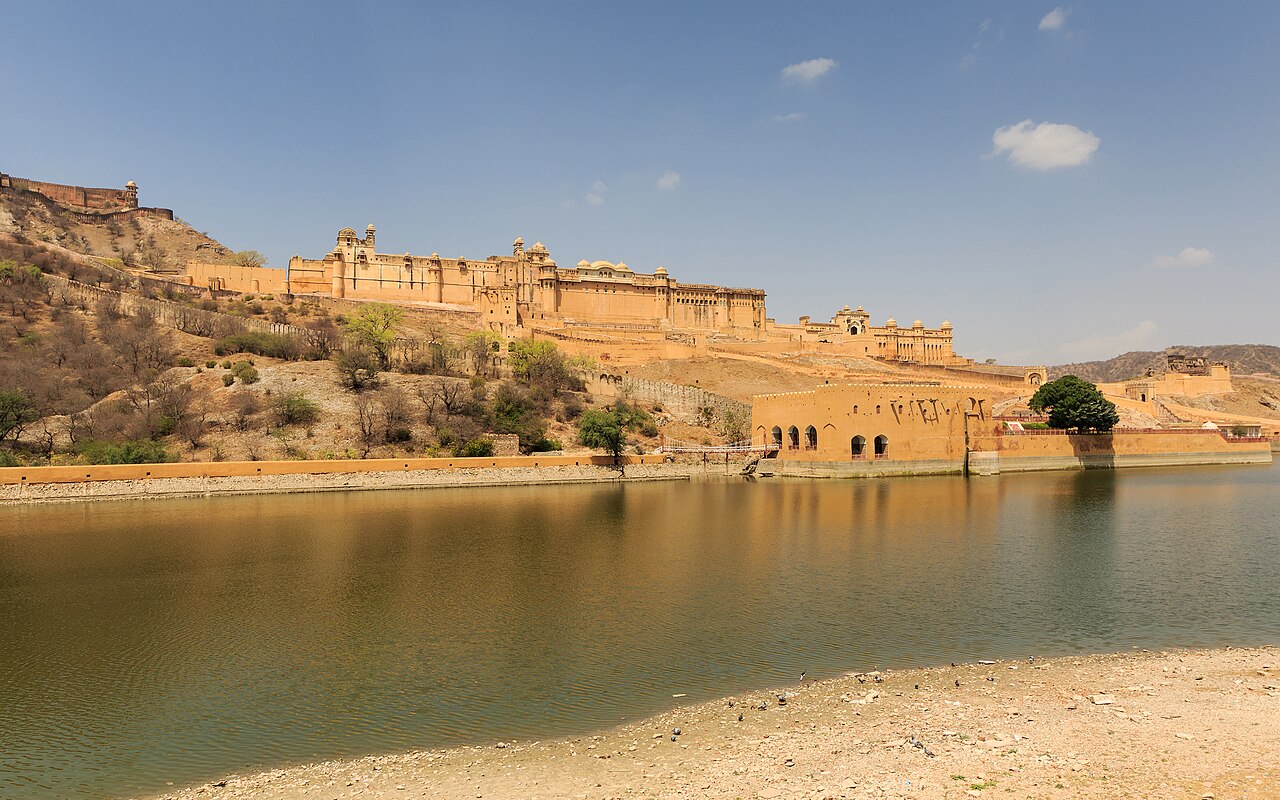
Go early to Amber Fort, take in the Sheesh Mahal and the ramparts, and stop at Jal Mahal and the stepwell on the way back. After a midday rest, head up to Nahargarh Fort for sunset over the city. If you have a third day, choose between the Albert Hall Museum, a block-printing class or a day trip.
Ranthambore
The park reopens each October after the monsoon break, and a day trip from Jaipur is long but possible. If you can, stay overnight near the park for two safaris, and always treat a tiger sighting as a bonus rather than a promise.
Practical tips
Dress modestly for palaces and temples, carry sun protection and water, eat at busy places and drink bottled or filtered water. Bargain politely in the bazaars outside fixed-price shops, and expect some shopping stops on guided tours, which you can decline. Foreign visitor ticket prices at state monuments rose in January 2026, so budget for that. Check opening hours on the day, particularly for evening visits.
Where to sleep
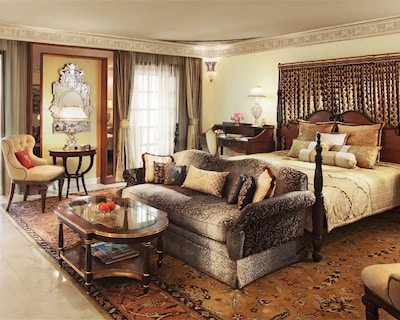
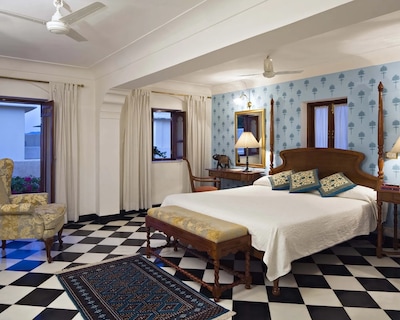
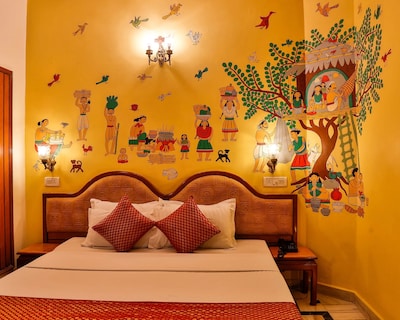
For a palace splurge, Rambagh Palace is the one; ITC Rajputana is central and comfortable, Samode Haveli and Diggi Palace give a heritage stay at different prices, and Hotel Pearl Palace is a strong budget pick. The where-to-stay guide on this site explains the neighbourhoods.