Three days is a comfortable length for a first visit to Jeddah. It is long enough to see the old quarter properly, spend an evening on the waterfront and get out on the Red Sea, without rushing between sights in the heat. This plan groups the stops by area so that you spend less time in taxis, and it keeps the hottest hours free for rest.
Before you go
Jeddah is a spread-out city built around roads, so plan on taxis and ride-share cars rather than walking between areas. Book anything with a set time slot before you arrive, in particular teamLab Borderless Jeddah and any boat trip, and keep the rest flexible. Dress modestly in loose clothing, carry water and a light layer for air-conditioned spaces, and check the Visit Saudi portal for entry rules for your nationality well before you fly.
Day one: the old quarter
Start in the afternoon, when the heat eases and the light warms the coral stone. Begin with a guided walk through Al-Balad so that the houses, balconies and lanes make sense, then visit Nasseef House and wander Souq Al-Alawi, where spice sellers and perfume shops fill the lanes. If you have energy, add teamLab Borderless Jeddah in Culture Square, an indoor art museum that is a welcome break from the heat. Have dinner in a café or restaurant in the quarter, where the terraces fill after sunset. Staying in Al-Balad itself makes this day very easy, and Lahdat Hotel Al Balad is the nearest option.
Day two: the sea
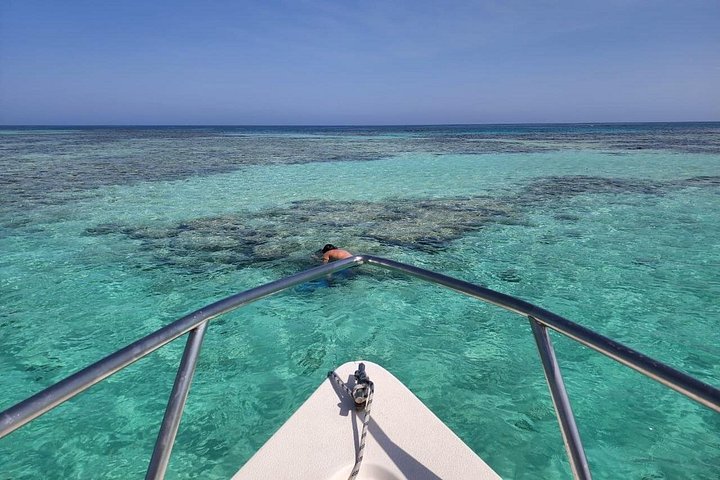
Spend the morning on the water. The snorkelling trip to Bayada is the main choice for a full outing and needs a booking in advance, and winter mornings are calmest. If you prefer something gentler, the evening sunset cruise at Obhur Bay is an easy alternative. Rest in the afternoon, because the middle of the day is the hottest. In the late afternoon head to the central Corniche, walk the promenade and see Al-Rahma Mosque, the Floating Mosque, standing on stilts over the water. Stay for sunset, then see King Fahd’s Fountain after dark, when the jet is lit. The open-air sculptures along the waterfront are a free addition between the stops.
Day three: choose your pace
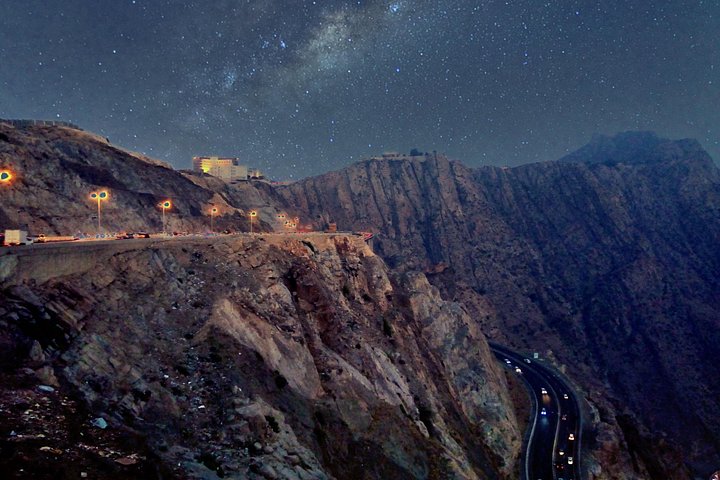
You have three good options. For a change of climate, take the Taif day trip into the cooler hills, an early start and a long day that suits people who like views and markets. For a city day, visit Tayebat Museum and Fakieh Aquarium, which are easy to combine with lunch near the waterfront. For a slower day, take the full-day guided city tour and let a guide handle the logistics, or simply spend the day by the pool or at the beach club of a Corniche hotel and keep the evening for dinner at Obhur.
Getting around
Taxis and ride-share cars are the practical choice, and a private driver or guided tour makes sense for longer days. Allow extra time in the evening, when traffic builds on the main roads, and agree on your return journey in advance if you are visiting Obhur or another place outside the centre. Walking works well inside Al-Balad and along sections of the Corniche, but not between areas.
Where to base yourself
For the old quarter, stay in Al-Balad. For sea views and resort facilities, choose a Corniche hotel such as Rosewood Jeddah or Park Hyatt Jeddah. For good value and a reliable chain, the Radisson Blu on the Corniche Road or the airport-side hotels are sensible. The where to stay guide explains the trade-offs. If you plan an early boat departure or the Taif day trip, a hotel with easy road access makes the morning smoother.
If you only have two days
Combine day one with the Corniche evening from day two, and take either the boat trip or the Taif day trip rather than both. With four days, add the full-day city tour, a slow morning at a beach club and a longer evening at Obhur.
A note on pace
The mild season, from roughly November to March, is the most comfortable time for a three-day itinerary like this. In summer, move the walking to early morning and late evening and use the middle of the day for museums, shopping malls and rest. Whatever the season, drink more water than you think you need, wear sun protection and be ready to adjust the plan if the weather or the traffic changes.