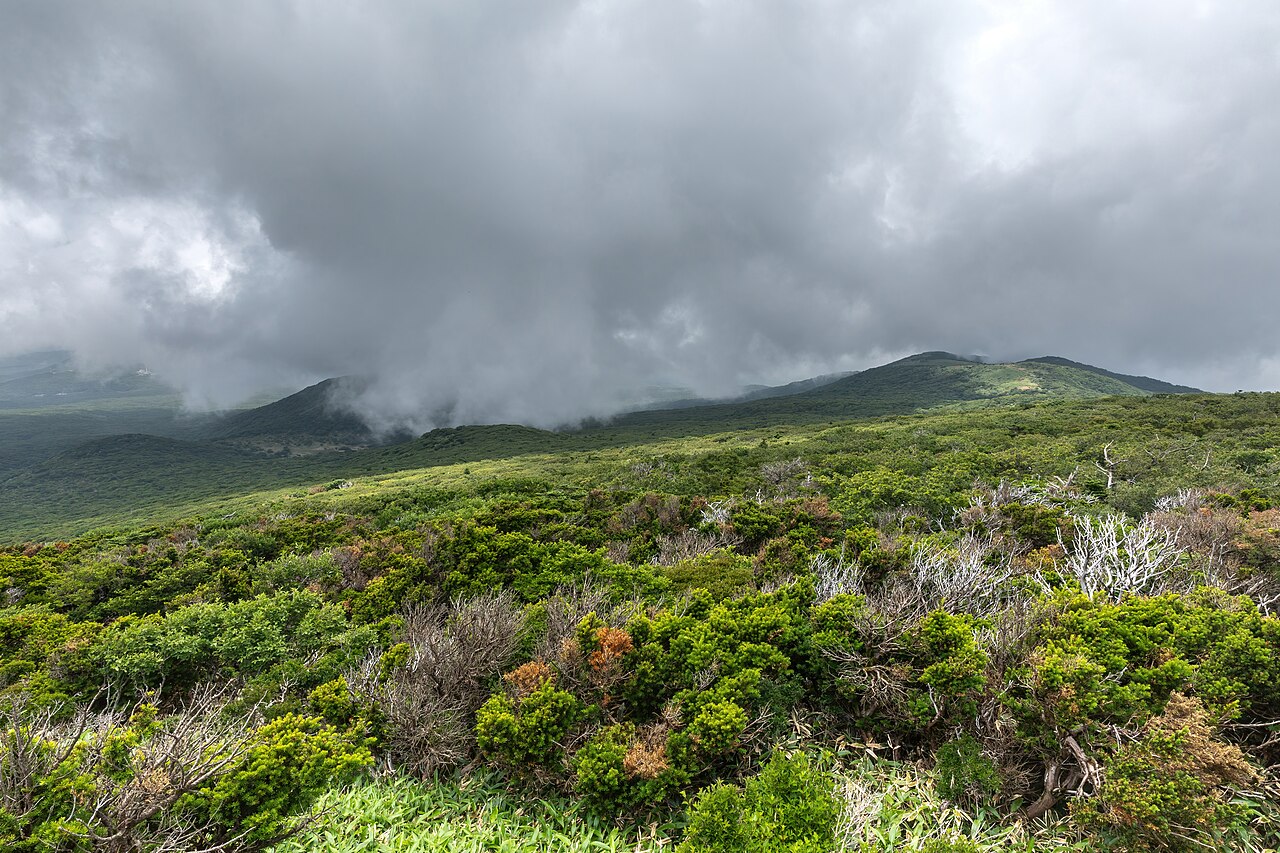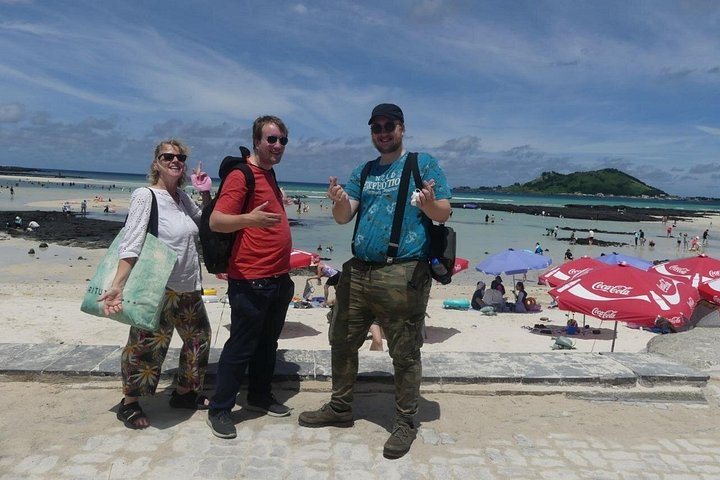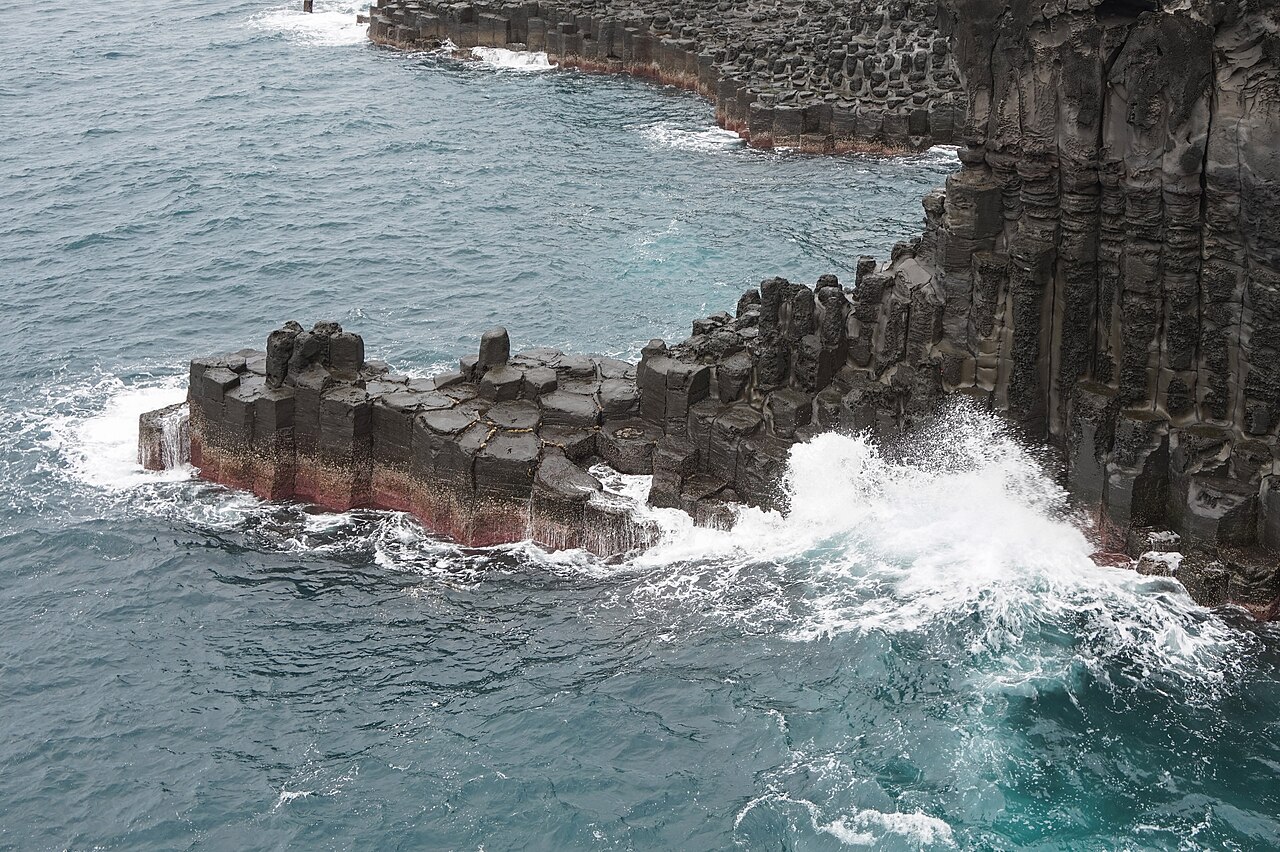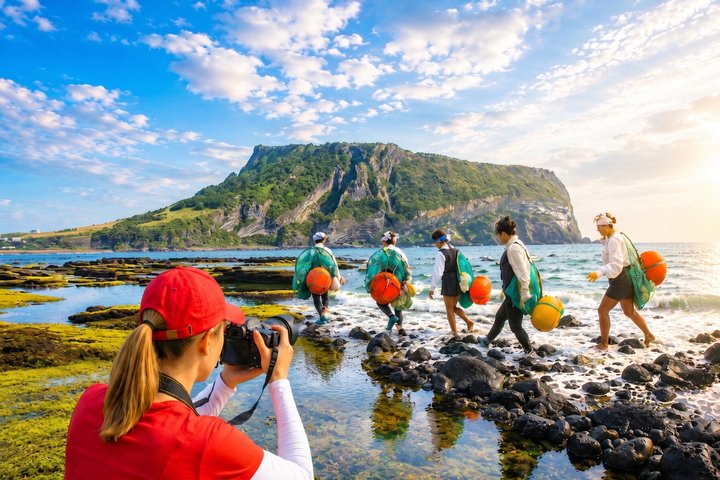
Jeju is South Korea's volcanic island, a day trip from the mainland that rewards a longer stay. It has a 1,947 metre mountain, a crater that rises from the sea, lava tubes, waterfalls, a trail around its coast and a living tradition of women divers. It is bigger than it looks, and the sights are spread around the edge, so a little planning matters. This guide covers what to book ahead, how to get around, how many days to allow and how the headline places fit together.
What to book ahead
Only a few things need advance planning. If you want to reach the summit of Hallasan, you must reserve a slot for the Seongpanak or Gwaneumsa trail on the park's reservation site, which opens at nine in the morning on the first working day of the previous month. The Eorimok and Yeongsil routes to the high meadows need no reservation. Hotels in Jungmun and Seogwipo fill early at weekends and holidays. The Udo ferry, Seongsan Ilchulbong, Manjanggul, the Haenyeo Museum and Aqua Planet Jeju are all pay-at-the-door in normal conditions, but check seasonal hours before you go.
Check the closing days
Several headline sights close on a monthly schedule. Seongsan Ilchulbong and the Jeju Haenyeo Museum close on the first Monday of each month, and Manjanggul closes on the first Wednesday. A short check of the calendar when you plan each day can save you a wasted trip. Weather matters too, because wind and fog can delay flights and halt the Udo ferries, so keep a flexible backup for each day.
Getting around
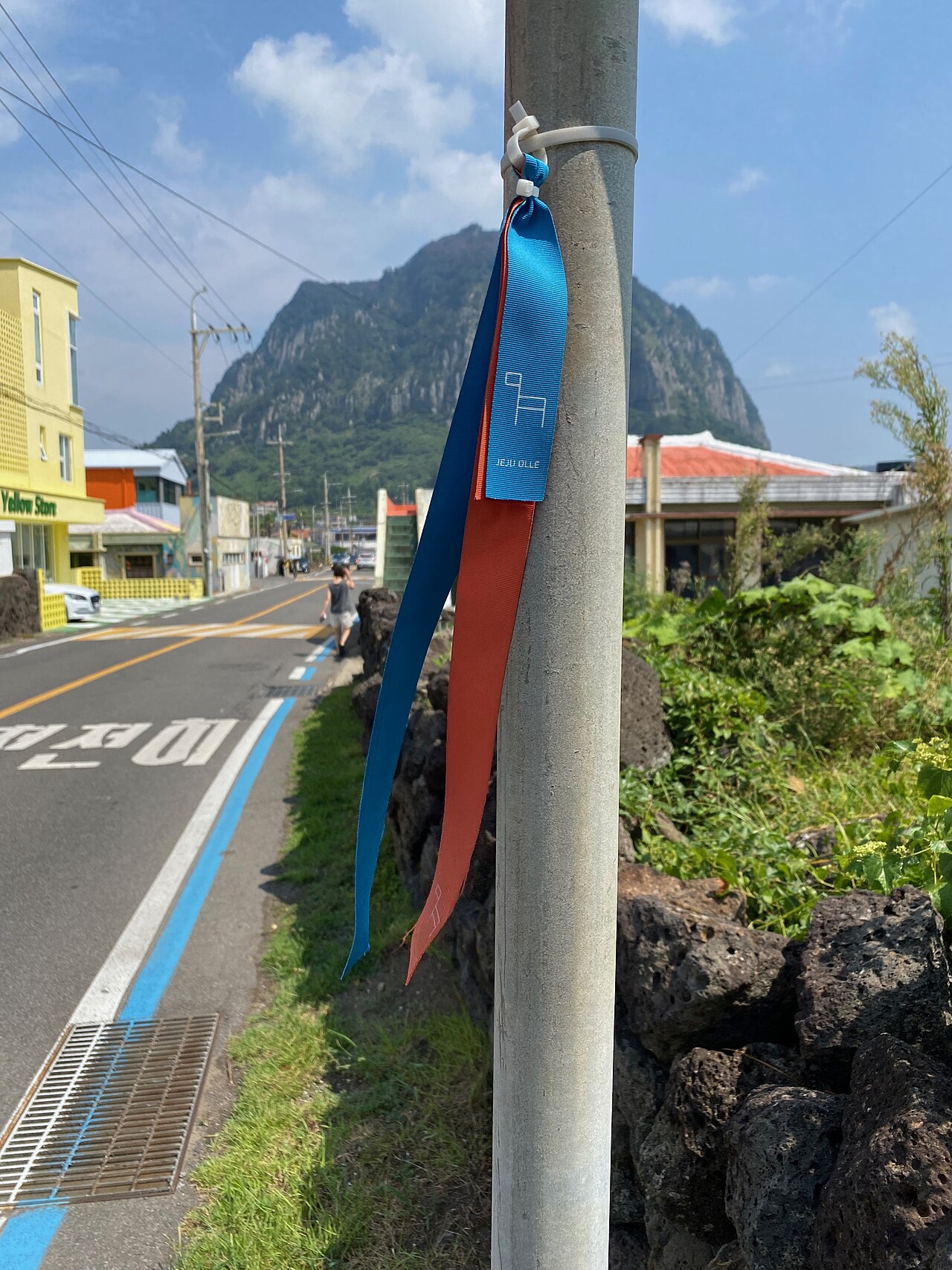
Most visitors rent a car, because public buses are slow between the main sights. You will need to bring the right driving documents for a rental, so check the requirements before you travel. If you do not drive, a licensed taxi can be hired by the day, and day tours cover the east, south and west circuits. Udo is the exception, since outside vehicles are restricted there and you rent electric bikes, scooters or small electric vehicles at the pier. Walkers can use the Olle trail for a day or two along the coast.
How many days
Three days gives you a satisfying first visit, four is comfortable and five lets you add a Hallasan summit hike. A simple plan is one day on the east coast, with Seongsan Ilchulbong, the Haenyeo Museum, Manjanggul and the ferry to Udo, a second day on the south coast with Jusangjeolli Cliffs, Cheonjiyeon Waterfall and the O'sulloc Tea Museum, and a third day on the west coast with Hallim Park and a stretch of the Olle trail. Families can add Aqua Planet Jeju to the east day, and hikers should give Hallasan a full day of its own.
Where the headline sights fit
Hallasan sits in the middle, with trailheads reached from the north, south and east. The east coast holds Seongsan, Udo, the Haenyeo Museum, Manjanggul and the aquarium. The south coast around Jungmun and Seogwipo holds Jusangjeolli, Cheonjiyeon and the Olle routes. The west has Hallim Park and long sunsets. The tea museum sits between the south and west. Pick a base near the group of sights you care most about and plan each day around one side of the island.
When to go
Spring brings flowers and clear air, autumn brings colour on the mountain and comfortable walking, summer is hot and humid with beach crowds, and winter is windy and quiet with snow on the summit. Typhoon season in late summer can disrupt travel, so keep your plans flexible. Wear good shoes, carry a light waterproof layer and take some cash for small stalls and ferry rentals.
Final tip
Do not try to see the whole island in a weekend. Choose one or two areas, book your Hallasan slot early if you want the summit and let the weather decide which outdoor day goes first. Jeju rewards slow travel, so leave space for a long lunch at a fishing village and a walk along the coast.