Jeju's food reflects its geography. It is an island of volcanic soil, citrus groves and cold, clean water, so the cooking leans on seafood, pork and fruit in ways that differ from the mainland. A few days of eating well here is one of the great pleasures of a trip, and you do not need to book anything special. This guide covers the dishes to look for, the markets that make eating easy and a few habits that help you order with confidence.
Black pork
Jeju's best-known meat is heukdwaeji, the island's black pig, usually served grilled at the table. A plate of thick pork cuts arrives with a small burner, and you cook the meat yourself, wrapping it in lettuce or perilla leaves with garlic, sauces and fermented bean paste. It tends to be richer and chewier than ordinary pork, and many diners find it the highlight of a Jeju meal. Restaurants specialising in it are easy to find in Jeju City and Seogwipo, and groups of two or more are the norm for grilled meat, so solo travellers should ask whether a single portion is possible or look for black-pork noodle soup or rice bowls instead.
From the sea
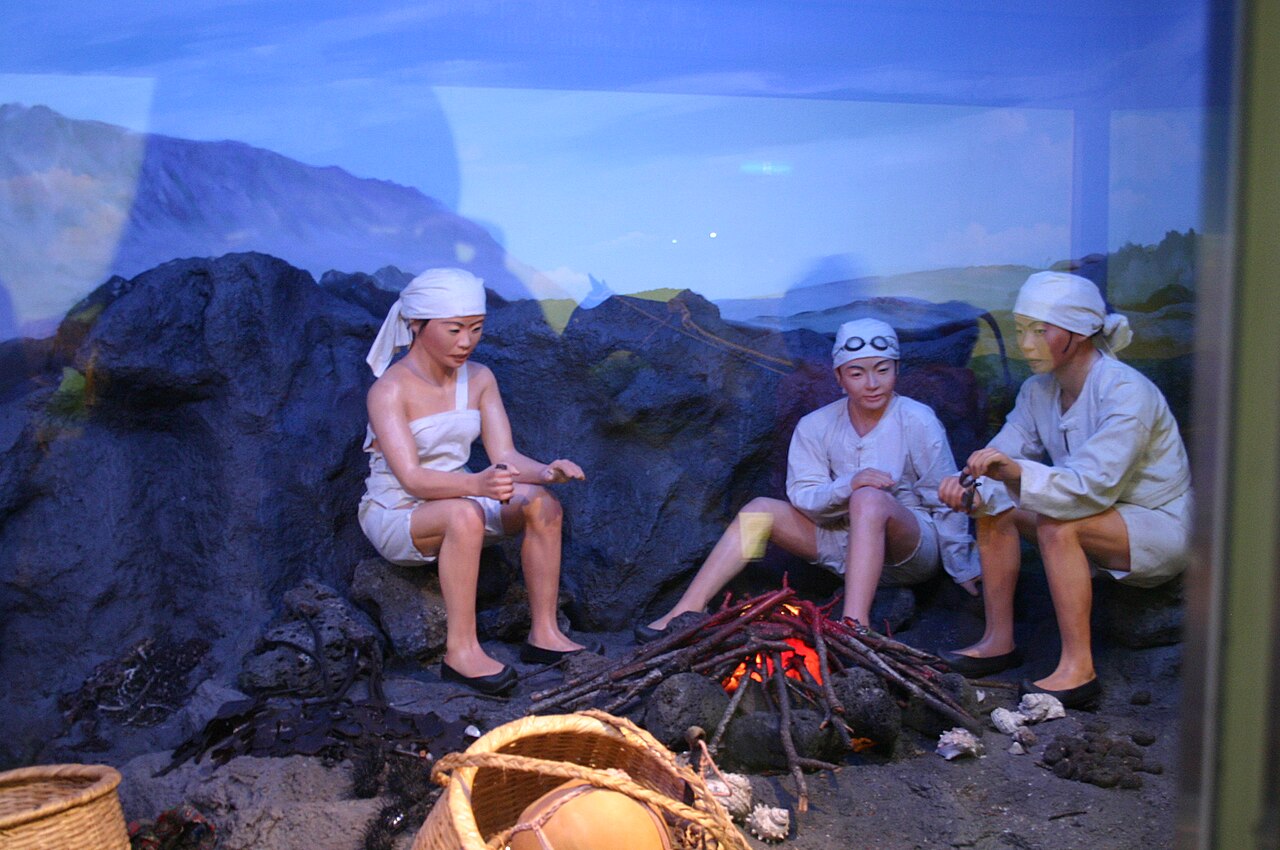
Because Jeju is an island, fish is fresh and varied. Look for hairtail, a long, silvery fish served grilled or in a spicy stew, and for abalone porridge, a smooth, comforting rice dish that suits a cold morning. Seafood stews with whatever the boats brought in are another staple. On the coast you may also come across small stalls run by haenyeo, the women divers, selling shellfish and sea snails freshly pulled from the water, which you can eat on the spot. These stalls are weather-dependent and informal, and you will find them at places such as the rocky shore below Seongsan and near Yongmeori Coast when conditions allow. Ask what is in season and be adventurous.
Noodles, cakes and sweets
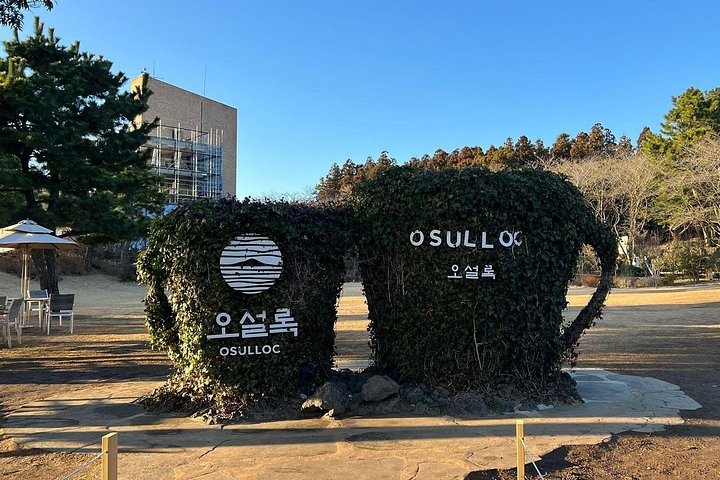
Pork-bone noodle soup is a Jeju favourite, a simple, deeply flavoured bowl that is cheap and filling after a morning walk. Look also for omegi tteok, a rice cake made with millet, and for sweets built on local citrus. Tangerines and the larger, knobbly hallabong are everywhere in winter and make excellent edible souvenirs, and many cafes make drinks and desserts from them. At Udo, the island's peanut ice cream is a rite of passage, and at O'sulloc Tea Museum you can taste green tea in many forms, including ice cream and tea-based drinks, in the middle of tea fields.
Markets
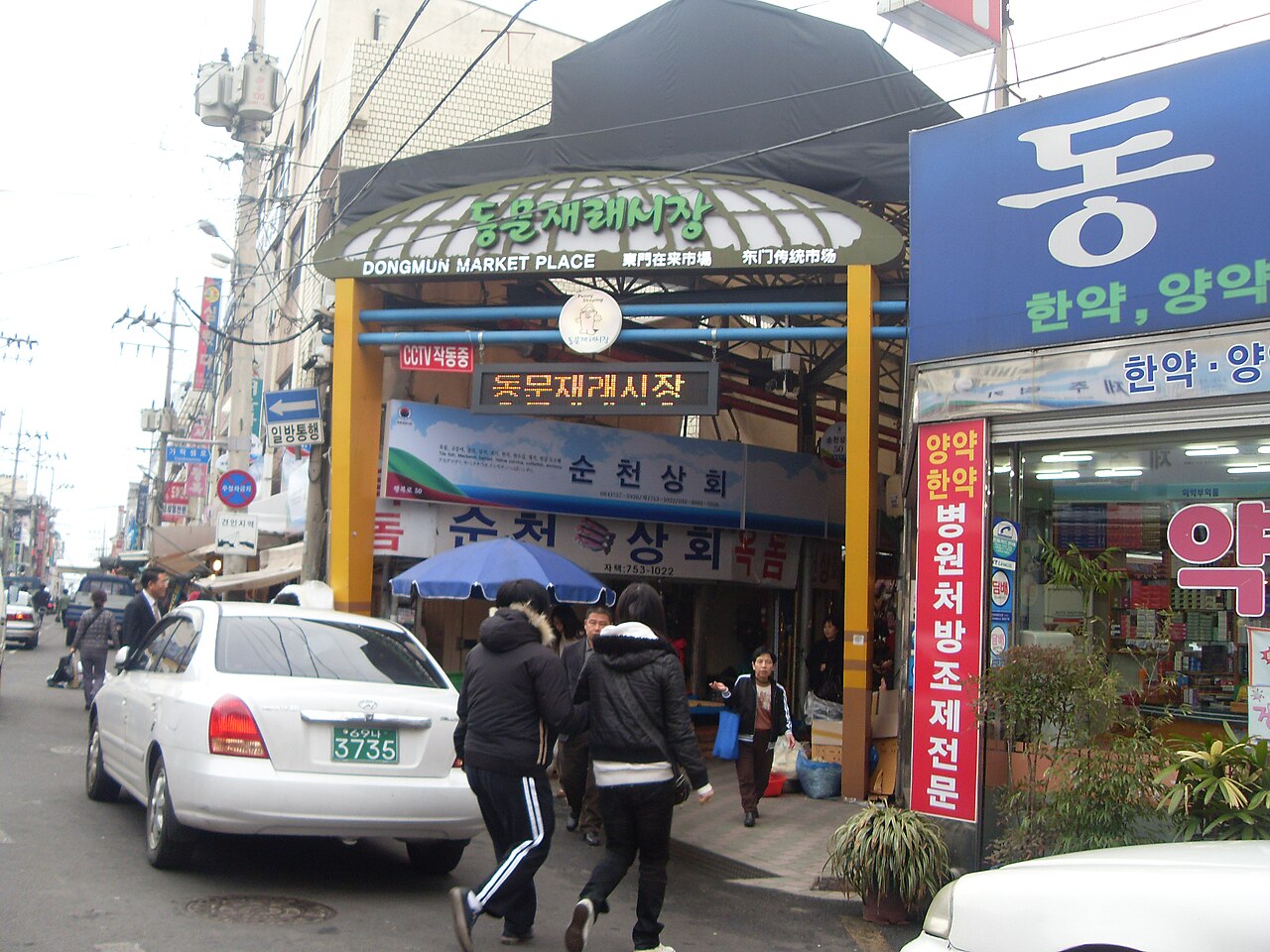
If you want to taste a lot without choosing a restaurant, go to a market. Dongmun Traditional Market in Jeju City is the island's largest and oldest permanent market, with fish stalls, produce sellers, street snacks and a night market that runs in the evening. Seogwipo has its own daily market in the centre of town, close to the waterfalls and the walking routes, and it is an easy place to graze. Wander first, then buy what looks freshest, and ask for a taste before buying fruit. Individual stalls set their own hours, so late afternoon and early evening usually give the widest choice.
Drinks
Korean soju and makgeolli, the milky rice drink, are available everywhere and pair naturally with grilled meat and seafood. Tea and coffee culture is strong on Jeju, with many cafes set in converted farmhouses, near beaches or in the gardens, and a coffee stop is a good excuse for a view. If you are driving, remember that Korea has strict drink-driving rules, so use a taxi or a designated driver on any evening you plan to drink.
Practical tips
Restaurants often open for lunch and dinner with a break in the afternoon, so avoid arriving at three o'clock and hoping for a table. Many places have menus in English or with photographs, and pointing is perfectly acceptable. Tipping is not customary. Carry some cash for market stalls and small cafes, though cards are widely accepted elsewhere. Water and side dishes are usually free and refilled on request. Finally, pair your meals with your sightseeing. Eat black pork after a day on the south coast, seafood after the east, and finish your last evening with a market crawl.