Jeju changes noticeably through the year, and the best time to visit depends on what you want from the island. Spring is flowers, summer is beaches, autumn is clear air and golden grasses, and winter is camellias, tangerines and a snow-capped volcano. There is no bad season, only different trips, and the main thing to plan around is the weather, which is more variable than on the mainland. This guide goes season by season so you can match your dates to your interests.
Spring
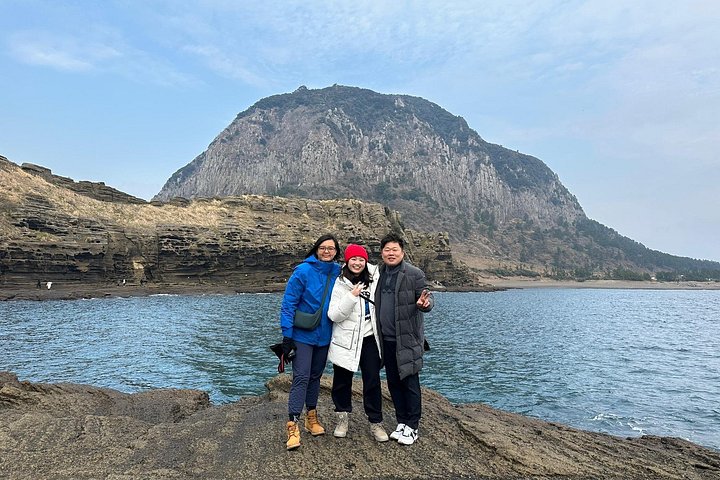
Spring is the favourite season for many visitors because the island turns yellow and pink. Cherry blossom arrives early here, and canola fields blaze on the east side, including around Seopjikoji, where the flowers cover the grassland with Seongsan Ilchulbong behind. The air is generally clear, temperatures are comfortable for walking and the Olle Trail is at its best. Hallasan's lower slopes put on spring colour and azaleas, though summit trails still require a reservation. The cost of this popularity is crowds at the most famous flower spots and higher hotel prices on weekends and holidays, so book early and visit gardens on weekday mornings.
Early summer and the rainy period
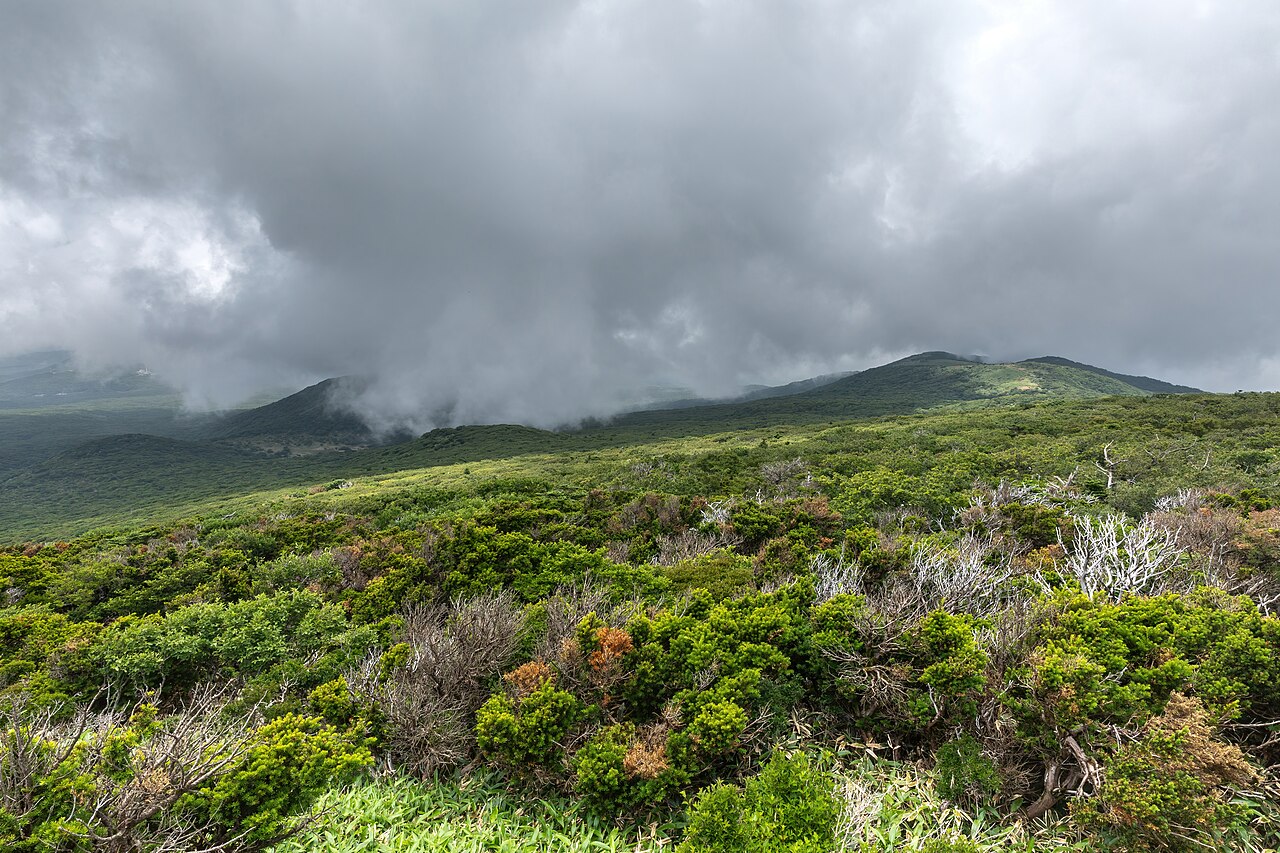
At the start of summer hydrangeas bloom in gardens such as Camellia Hill and along roadsides, and they are a gift for photographers. This also coincides with a rainy spell, when showers and grey skies are likely and fog can sit on the mountain. If you are visiting then, plan indoor alternatives for each day, such as the Haenyeo Museum, Jeju Stone Park, Aqua Planet Jeju or O'sulloc Tea Museum, and treat sunshine as a bonus. Waterfalls look their best after rain, so it is not all bad news, and prices can be lower than in peak season.
Summer
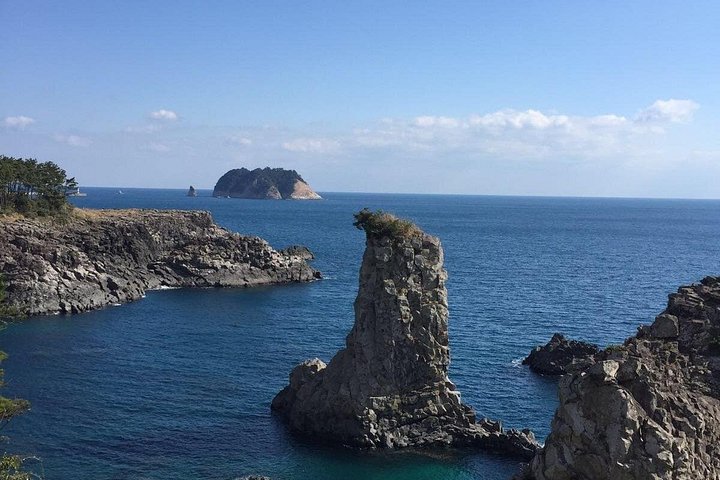
Summer is hot and humid, and the beaches fill with swimmers. West and south coast beaches such as those around Jungmun and Pyoseon are at their best, hotel pools are open and coastal cafes are full. Hikers should start very early to avoid the heat. Late summer is typhoon season, and storms can cancel flights, halt the ferries to Udo and close coastal walkways, including Yongmeori Coast, so keep dates flexible, take travel insurance and avoid scheduling an important connection on the day after a storm. Daylight is long, which makes for relaxed sunset evenings on the west coast.
Autumn
Autumn is arguably the best time for walkers. The air is crisp and dry, skies are clear and the grasses on the oreum, the small volcanic cones, turn silver and gold. Pink muhly and pampas grass fill gardens and hillsides, and Camellia Hill is among the places that show them off. Hallasan's foliage draws crowds, so summit reservations fill fast and weekdays are wise. Late autumn is also when tangerines ripen, and the picking season brings fruit stalls to every roadside and farm visits to the itinerary.
Winter
Winter is cold and windy, but it is also quiet, cheap and surprisingly colourful. Camellias flower in the garden at Camellia Hill when much of the island is brown, tangerines are at their sweetest and snow can cover Hallasan, which makes for a spectacular view from the coast. Daylight is short, so ticket sales at places like Hallim Park end earlier, and some outdoor sights open and close earlier in the day. Pack a windproof coat and waterproof shoes, and keep hot spring and cafe stops in your plan. Some hotel outdoor pools are closed for the season, so check before booking a stay for the pool.
Wind, daylight and what to pack
Jeju is windy in every season, particularly on exposed headlands, summits and the east coast, so a light windproof layer earns its place in the bag even in summer. Sunrise comes early in summer and late in winter, which changes how you plan a sunrise climb at Seongsan Ilchulbong: in winter you start later but dress much more warmly. Check opening hours for your month, because gardens, parks and some attractions open earlier and close earlier in the colder months.
How to choose
For flowers, aim for spring or early summer. For beaches, choose summer but watch the typhoon forecast. For hiking and photography, pick autumn. For value, quiet and winter flowers, go in the cold months. Whatever the season, keep one flexible day for weather, book summit reservations as early as the window allows and remember that the coast, the mountain and the inland gardens can all have different conditions on the same day. Check the forecast each morning and be ready to swap your plan.