Jeju has a reputation as a costly holiday island, but much of what makes it special costs nothing. Hallasan, the coast, the walking trail, the market and the headlands are all free or very cheap, and the real expenses are transport and accommodation. With some planning you can see the best of the island on a modest budget. This guide covers the free sights, the cheap ones, how to move around without a rental car and where it is worth spending.
Free and nearly free sights
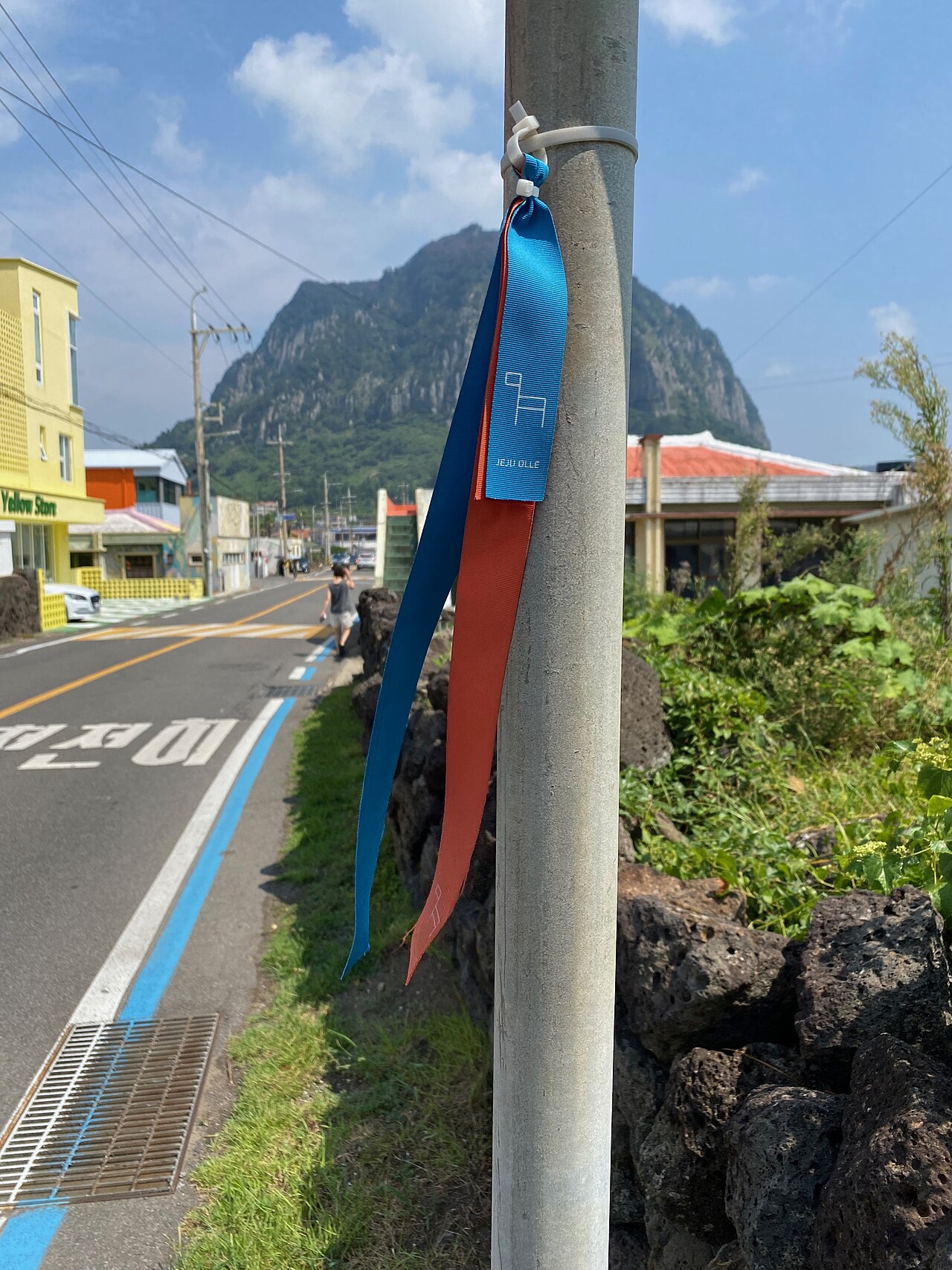
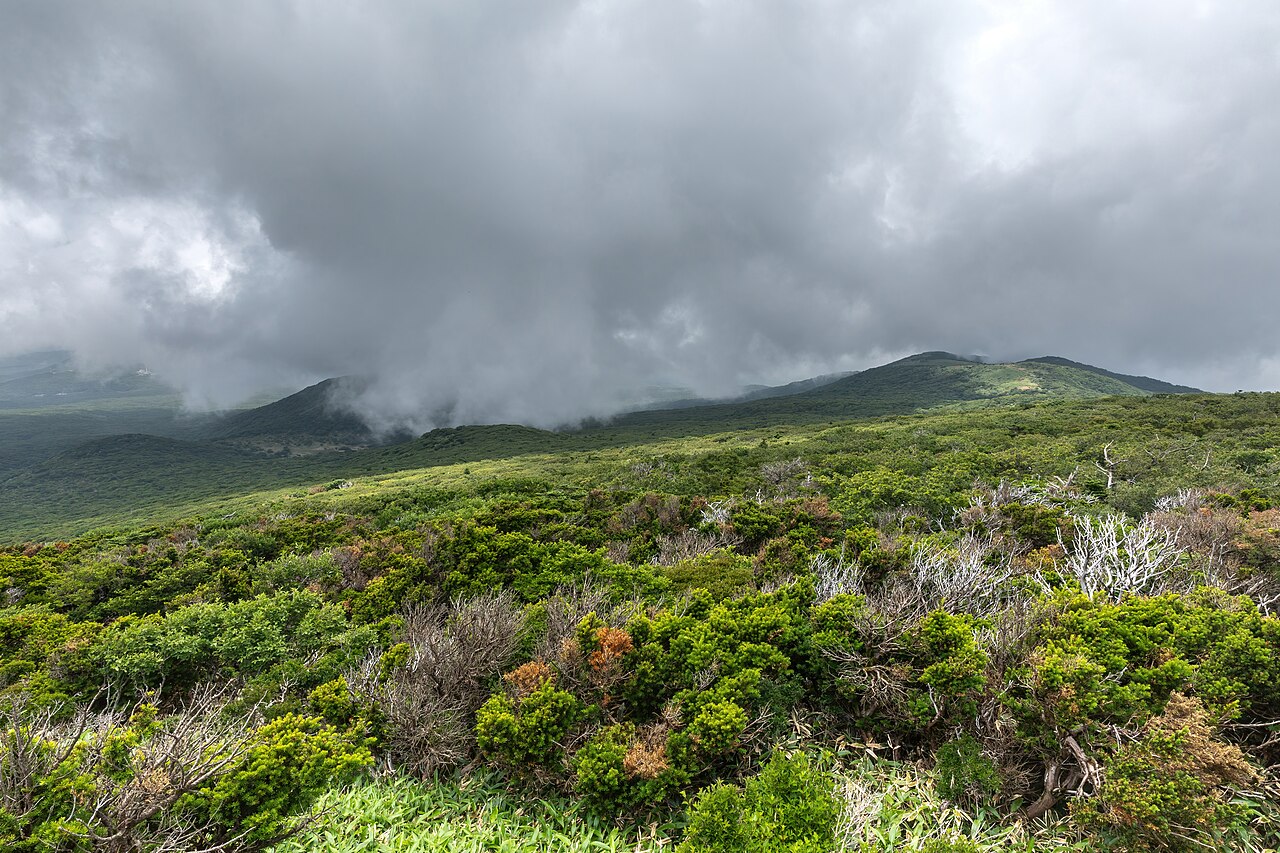
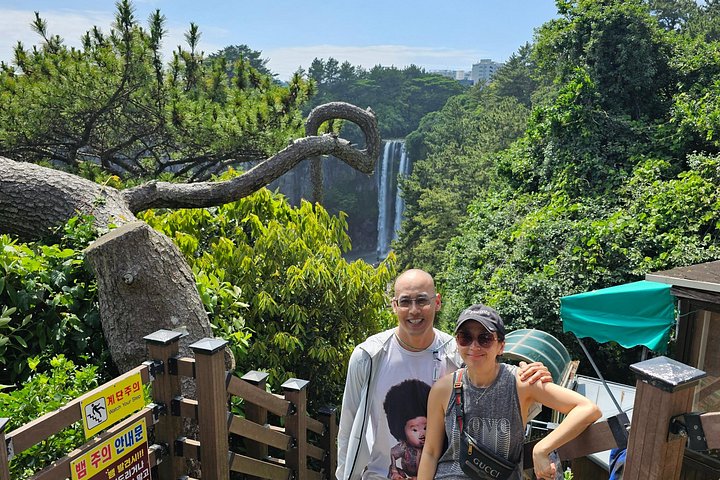
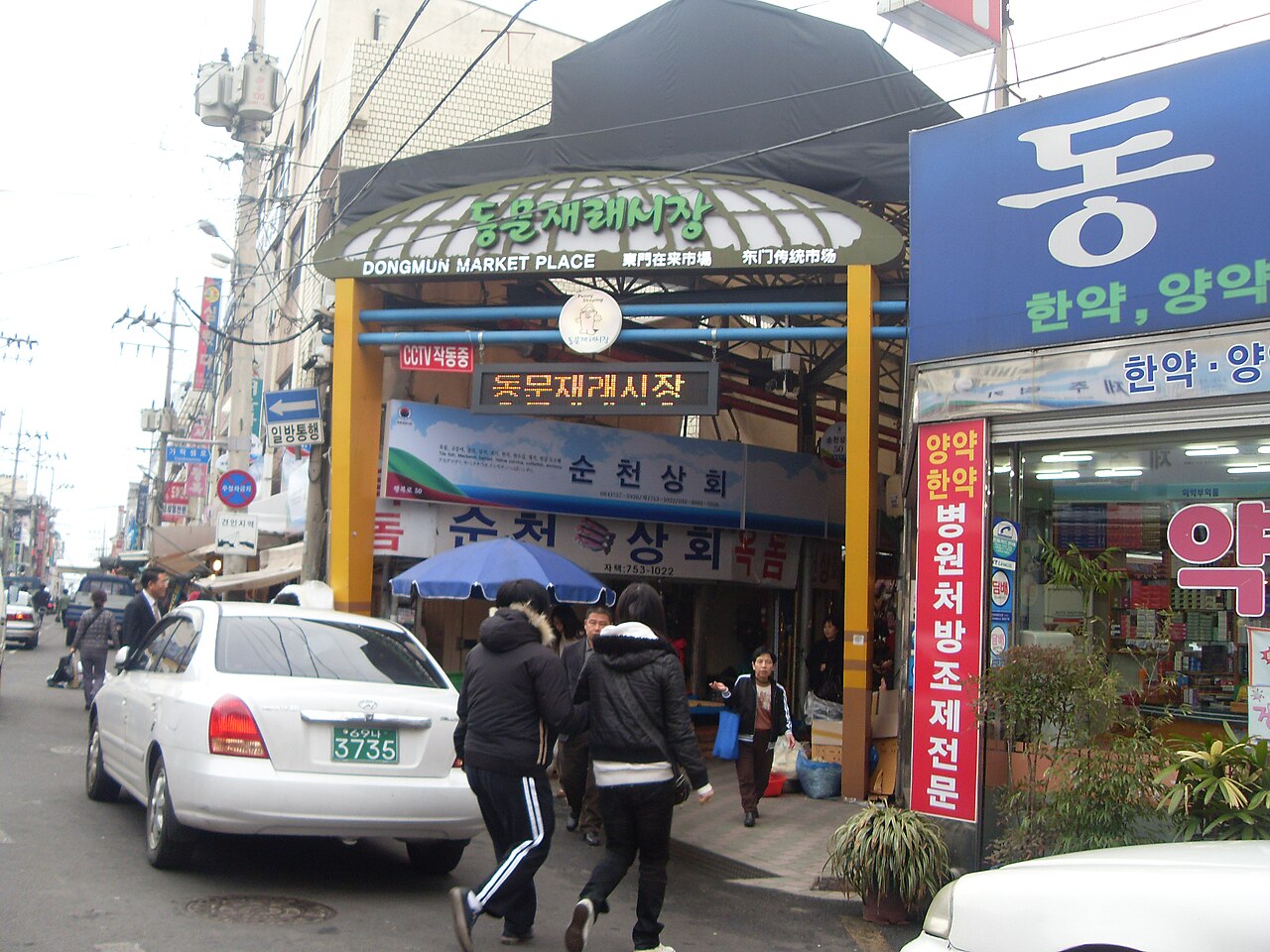
Start with the big free ones. The park around Hallasan has no entry fee, and the shorter trails to the high meadows require no reservation, while the summit sections need an advance booking but still carry no charge. The Jeju Olle Trail is free to walk, and a few hours on any stretch gives you coast, villages and fields. Seopjikoji headland is a free clifftop walk with a view of Sunrise Peak, and Dongmun Market is free to enter, with snacks and fruit at low prices. Several others have a modest admission, including Jusangjeolli Cliffs, Jeongbang Waterfall, Yongmeori Coast and Cheonjiyeon Waterfall, which makes a south-coast day inexpensive. Check fees at the gate, because children, older visitors and some other groups often enter free or at reduced rates with proof of age.
Choose where to spend
A few attractions cost more but are worth it. The climb up Seongsan Ilchulbong needs a modest ticket, the ferry to Udo costs a fare plus a small park fee and the cost of renting an electric bike, and Aqua Planet Jeju and Hallim Park are larger-ticket days that suit families. If you must trim, pick one paid garden or museum rather than several, and spend the rest of the time on free coast and walking. Camellia Hill and O'sulloc Tea Museum are pleasant but optional, and the Haenyeo Museum and Jeju Stone Park give cultural depth for a small price.
Getting around cheaply
A rental car is the most flexible option, but a day tour or a charter can be better value if you share costs among a group. For solo travellers and couples, public buses are the cheapest way to get around. Buses run from about six in the morning to about ten at night, and a T-money card, which you can buy and top up at convenience stores, works on buses and taxis across the country, with free transfers within a time window when you tap in and out. Express buses link the four corners of the island, while smaller village buses run less often, with waits that can stretch to an hour or more outside the cities. Airport limousine buses serve Seogwipo and Jungmun. Tourist shuttle buses run past major sights on the east and west sides for a modest day-pass fee, which is a good way to see several sights without a car. A free real-time bus app and KakaoMap help you track your stop, and both work in English.
Sleeping for less
Jeju City and Seogwipo have the best-value hotels. Hotel RegentMarine offers a harbour-side base in Jeju City with free parking, and BK Hotel Jeju is a walkable budget stay in the centre of Seogwipo, near the waterfalls and the market. Resort areas such as Jungmun cost more, especially in summer and on holidays, so visit in the shoulder seasons if you want a beach hotel. Midweek stays are cheaper than weekends, and booking early gets better rates for popular dates. Breakfast buffets at larger hotels are often an extra charge, and eating at a market or bakery instead can save money.
Eating for less
Markets and local noodle shops are the budget traveller's friend. A bowl of pork-bone noodle soup, a plate of market snacks or a rice-cake treat can fill you up for far less than a grill meal. Black pork barbecue is a treat worth planning for, ideally shared among two to four people. Convenience stores sell cheap, decent picnic food, and a picnic on a headland beats a pricey cafe.
A simple low-cost plan
Base yourself in Seogwipo for three nights. Spend one day on the south-coast waterfalls and cliffs, one on a bus or shared tour along the east coast with Seongsan and Seopjikoji, and one on Olle Trail walking or a Hallasan meadow route. Add Dongmun Market on arrival or departure in Jeju City. You will see the heart of the island for the price of a handful of tickets, and you will have spent your money on the places that matter most.