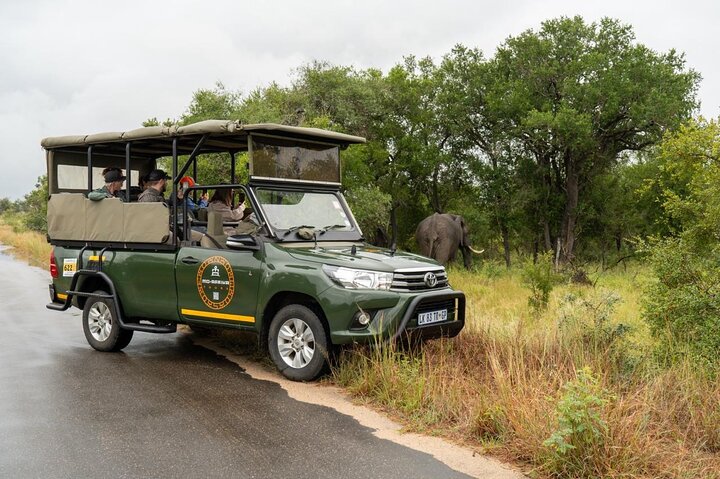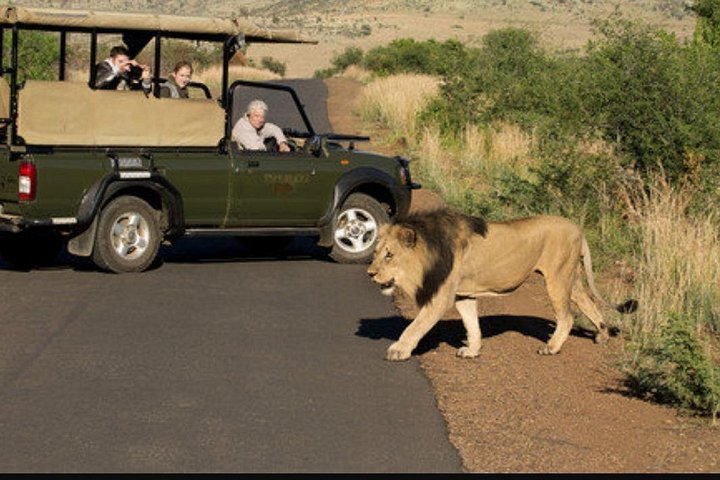
Johannesburg and Kruger share a country but not a climate, and the best time to visit depends on whether you care more about the city, the wildlife or the weather. The short version is that the dry winter, from May to September, is best for game viewing, while the warm summer, from October to March, is lusher and better for birds and baby animals. Here is how to choose.
Johannesburg's seasons
The city sits at altitude, which makes it sunnier and cooler than many visitors expect. Winter days are dry, bright and mild, but mornings and evenings are cold and can approach freezing on clear nights, so pack warm layers. Summer is warm rather than hot, with afternoon thunderstorms that bring dramatic skies and a sudden drop in temperature, and the highveld turns green. Spring, in September to November, is arguably the most pleasant time in the city, with clear skies, mild days and the jacaranda trees blooming purple, especially in nearby Pretoria in October and November.
Kruger in winter
From May to September, the dry season, vegetation thins and water becomes scarce, so animals gather at rivers and waterholes where you can see them easily. Days are sunny and pleasant, and mornings on a game drive are cold, so dress in layers, with hats and gloves for pre-dawn starts. The risk of malaria is lower in the dry season, though you should still take medical advice. Winter is the classic safari season and the most popular, so book accommodation and tours early, especially around school holidays.
Kruger in summer
From October to March, rains turn the park green, and the bush is dense, which can make animals harder to spot. Compensations include newborn antelope and the predators that follow them, superb birdlife with migrants arriving, lower prices in some places and fewer crowds. It is hot and humid, with thunderstorms in the afternoon, and some gravel roads can close after heavy rain. Malaria risk is higher in summer, so see a travel clinic and bring repellent. Many visitors find summer rewarding if they accept fewer long sightings and enjoy the landscape and birds.
Shoulder seasons
April and October are the transition months. April still has green landscapes after the rains with cooling temperatures, while October is dry and warm, with game concentrating at water and the first rains arriving late in the month. Both can offer good sightings with fewer visitors than the peak winter months and are worth considering for a flexible traveller.
School holidays and crowds
South African school holidays, including late December to January, Easter and the winter break around June to July, bring local families to Kruger and to Johannesburg attractions. Camps and lodges fill up, and prices rise. International peak season is July to September. If you prefer a quieter trip, travel outside these windows, and book at least several months ahead for the most popular times. Weekdays are quieter than weekends at most city sights.
Choosing by interest
For first-time safari-goers who want the best chance of seeing the Big Five, choose June to September. For birdwatchers and photographers who love green landscapes and dramatic skies, choose November to March. For a city-focused trip with comfortable weather, pick April to May or September to October. For a combined trip, May and September give a balance of cool, dry weather and fewer crowds than July.
A note on planning
Weather patterns are a guide rather than a promise, and a dry-season trip can still bring a cold snap or a surprise shower, just as a summer trip can bring clear weeks. Build a little flexibility into your plans, keep a buffer day for rescheduling outdoor activities such as balloon flights, and confirm gate hours, road conditions and opening days with SANParks or your operator before you travel. Good guides adapt to conditions, and an open attitude usually matters more than the calendar.
What to pack
For winter, bring a warm jacket, a beanie and gloves for early drives, plus sunglasses and sunscreen, since the sun is strong at any time of year. For summer, bring a light rain jacket, insect repellent, a hat and breathable clothing. In both seasons, wear neutral colours on safari and bring binoculars. A day on the road to Kruger from Johannesburg takes five to six hours, so plan accordingly, and consider a two-night minimum to make the drive worthwhile.