Johannesburg is a serious food city. It has a large, mixed population, a long tradition of cooking over fire, a strong restaurant scene in the northern suburbs and a township food culture that visitors often miss. You can eat very well here at almost any budget, and the best meals often come with a story. This guide covers what to try, where to look and how to eat without stress.
Start with the braai
The braai is South Africa's barbecue, and it is as much a social ritual as a way of cooking. Expect boerewors, the coiled spiced sausage, along with lamb chops, steak and chicken, usually served with pap, a stiff maize porridge, and a tomato and onion relish. A related tradition is shisa nyama, which means burn meat in Zulu: a township custom where you choose meat from a butcher, have it grilled on open coals and eat it with pap and sauces. Some Soweto tours include a shisa nyama stop or a township lunch, and it is a good introduction to the flavours.
Try township street food
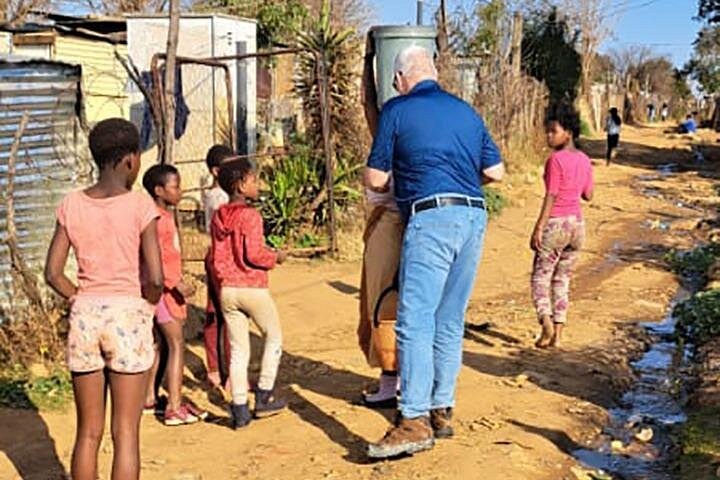
The kota is a Soweto classic, a hollowed quarter loaf filled with chips, sausage or polony, egg, cheese and sauce, and it is a meal in itself. Look for vetkoek, fried dough balls filled with mince, and for chakalaka, a spicy vegetable relish served with bread and pap. Vilakazi Street in Soweto has restaurants and cafes serving traditional dishes as well as international food, and many Soweto tours finish with a sit-down lunch, which is the easiest way to try several dishes safely and in good company.
Visit a market
Johannesburg's food markets are lively and relaxed. The Neighbourgoods Market in Braamfontein is a Saturday favourite, with street food, baked goods, coffee and craft stalls, and Rosebank has a popular Sunday market that mixes crafts, clothes and food. Hours and stalls change, so check before you go, and bring small cash. Markets are good places to try koeksisters, the sticky syrup-soaked pastries, and biltong, the air-dried cured meat that South Africans snack on like crisps.
Eat in the northern suburbs
Sandton, Rosebank, Melrose Arch and Parktown North have the city's most varied restaurant scenes, from steakhouses and sushi to Italian, Indian and modern South African menus. Nelson Mandela Square offers a concentrated choice in one walkable place, and Melrose Arch is pleasant for a long evening meal. Book ahead on Friday and Saturday nights, and ask your hotel which places are best on the day. Many restaurants offer outdoor seating and excellent value compared with similar meals in Europe or North America.
Save room for dessert
Malva pudding is a warm, sticky sponge soaked in apricot syrup and served with custard or ice cream, and it is on almost every traditional menu. Melktert, a milk tart in a pastry shell, is another classic. If you want to try something different, ask about Cape Malay dishes such as bobotie, a spiced mince bake with an egg topping, or bunny chow, a hollowed loaf filled with curry that originated in Durban and is now eaten across the country.
Wine, beer and other drinks
South African wine is excellent and inexpensive, and Johannesburg restaurants stock a wide range from the Cape, including chenin blanc, pinotage and Cape blends. Local craft beer has grown quickly, with taprooms around the city, and rooibos tea is available everywhere. If you like spirits, try a South African brandy or a cream liqueur such as Amarula, which is made from the marula fruit. Remember that drinking and driving are serious offences, so use ride-hailing after dinner.
Eating on safari days
If you are heading out on an early game drive or a long day tour, ask your hotel for a breakfast box or an early breakfast, because many tours leave before the dining room opens. Lunch is usually included on full-day tours, but check, and carry snacks and water for the road. Biltong, nuts and fruit travel well, and a thermos of coffee or rooibos is welcome on a cold winter morning in the bush.
Practical tips
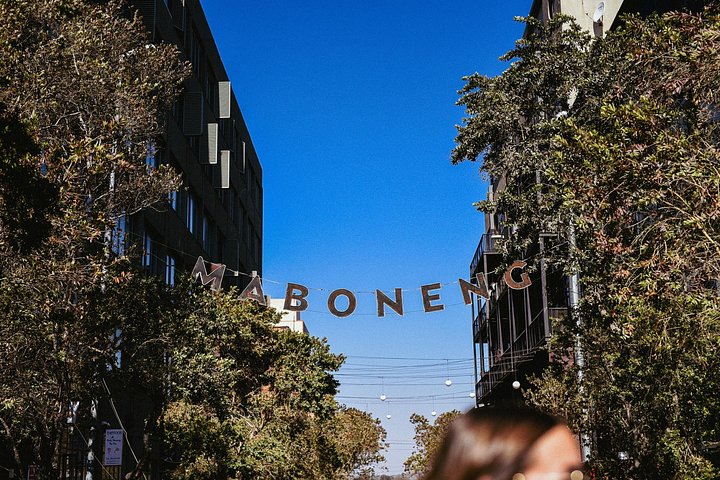
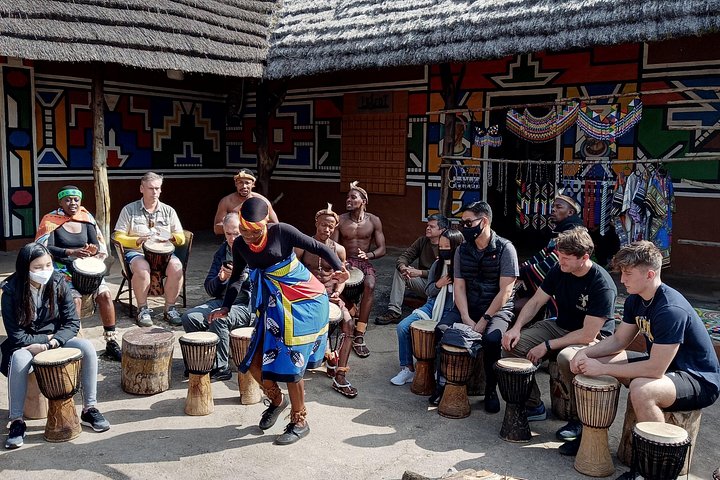
Tipping of around ten to fifteen percent is normal in restaurants, and cards are widely accepted. Tap water is generally safe in the city, but many visitors prefer bottled water. If you have dietary needs, most restaurants cater to vegetarians and gluten-free diets, though traditional dishes are meat-heavy, so ask. Food tours and guided cultural experiences are a good way to eat in areas you might not explore alone, including Maboneng and Soweto, and a stop at Lesedi Cultural Village offers a buffet of regional dishes with music.