Three days is enough to see the sights that explain Johannesburg without rushing, provided you group them by area and let guides handle the driving. The city is large and spread out, and public transport for visitors is limited, so the smoothest plan is to base yourself in Sandton or Rosebank, use the Gautrain and ride-hailing for short hops and book guided tours with hotel pick-up for the bigger outings. Here is a plan that balances heavy history with lighter, livelier stops.
Day one: the story of the city
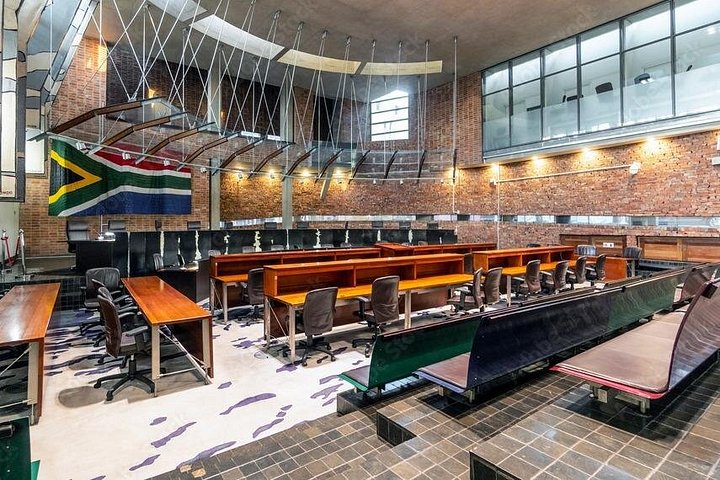
Start at the Apartheid Museum when it opens, which means choosing a day other than Monday, since it is closed then. Allow two to three hours, take the audio guide and expect an emotionally heavy morning. If you have energy and children or friends who want something lighter, Gold Reef City is next door, and its mine tour shows how gold built the city that the museum describes. Otherwise have a long lunch and head to Constitution Hill in Braamfontein for the afternoon, where the Old Fort prison and the Constitutional Court show how the same hill moved from confinement to constitutional justice. End with a quiet dinner in Rosebank or Melrose Arch and an early night.
Day two: Soweto
Give Soweto a full morning at least, and ideally most of the day. A guided tour is the best way to see Vilakazi Street, the Hector Pieterson memorial area, the Mandela family house and the neighbourhoods that make up the township, with context on the 1976 uprising and everyday life today. Many tours include a local lunch, which is worth having, and some offer cycling or walking options for a more intimate view. Return to your hotel in the late afternoon, since traffic can be heavy, and keep the evening easy. If you want to add the Apartheid Museum to a Soweto day instead of day one, a combined tour makes that simple.
Day three: choose your flavour
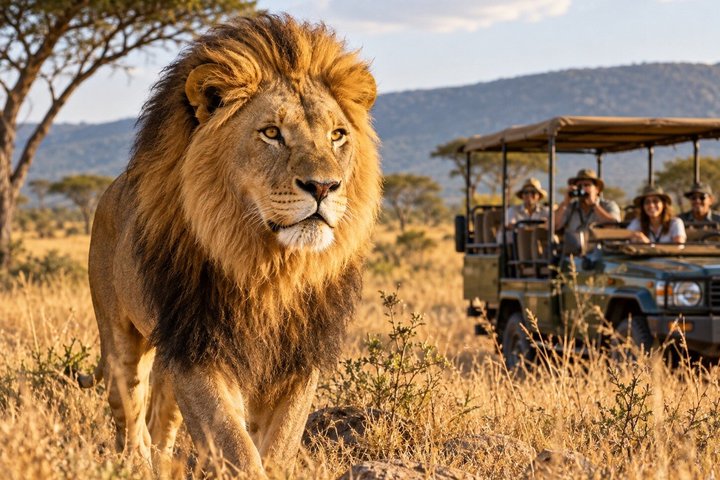
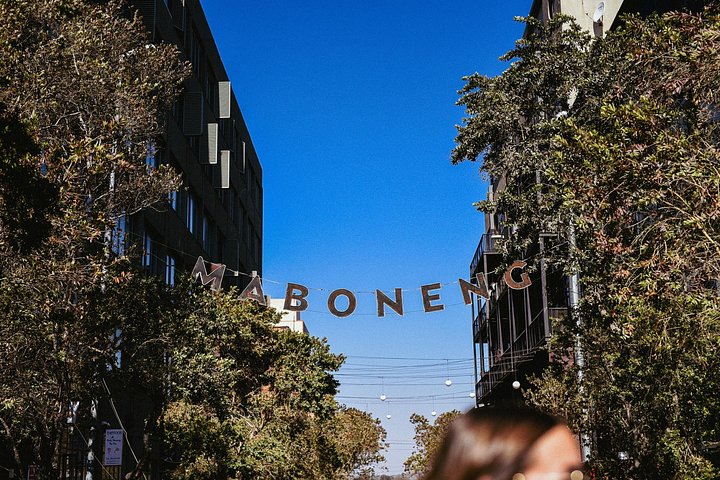
The final day depends on your interests. For deep history and nature, head northwest to the Cradle of Humankind, where the Sterkfontein Caves and Maropeng tell the story of human origins, and pair it with Lesedi Cultural Village for music, food and heritage. For city culture, spend the day in the inner city: a guided walk through Maboneng for street art, galleries and rooftop views, and a tour of Ponte City, the hollow-cored tower that dominates the Hillbrow skyline. For wildlife and a lighter day, go to the Lion and Safari Park or the cheetah centre. For a change of scenery, take a day trip to Pretoria for the Union Buildings and hilltop monuments, perhaps with the Cullinan Diamond Mine.
Practical rhythm
Johannesburg runs on early starts, because the roads fill from late afternoon and the sun is strong at altitude. Plan your main sight for the morning, take a long lunch and keep afternoons flexible. Book guided tours a few days ahead in busy periods, and confirm opening days, since the Apartheid Museum and Sterkfontein Caves close on Mondays. Keep a layer handy, as museum halls and cave chambers are cool, and mornings in winter are cold even when afternoons are warm.
Getting around
The Gautrain links the airport, Sandton, Rosebank and Park Station quickly and securely, and it is the best way to cross the northern suburbs. Use ride-hailing for short trips and evenings, and avoid walking between neighbourhoods. If you hire a car, drive in daylight where possible, keep doors locked and valuables out of sight. Guides and drivers are the simplest solution for the inner city, Soweto and the Cradle of Humankind, where parking and navigation can add stress.
Where to stay
Sandton and Rosebank are the two most convenient bases. Sandton puts you beside shops, restaurants and the Gautrain, and the Michelangelo on Nelson Mandela Square is a fine example of a central luxury choice. Rosebank is quieter and more walkable in daylight, with the Hyatt Regency and the Park Hyatt among its hotels. Both are well placed for pick-ups and day tours, and both are comfortable for first-time visitors.
If you have more time
A fourth day lets you add a half-day at Gold Reef City or a sunrise balloon flight over the Cradle, while a fifth day makes a Pilanesberg day safari easy. If you want a proper safari, add two to four nights at Kruger rather than squeezing it in. For three days, though, the plan above gives you the essential Johannesburg: the history that shaped it, the township that helped change it and one excursion that shows what lies beyond the city.