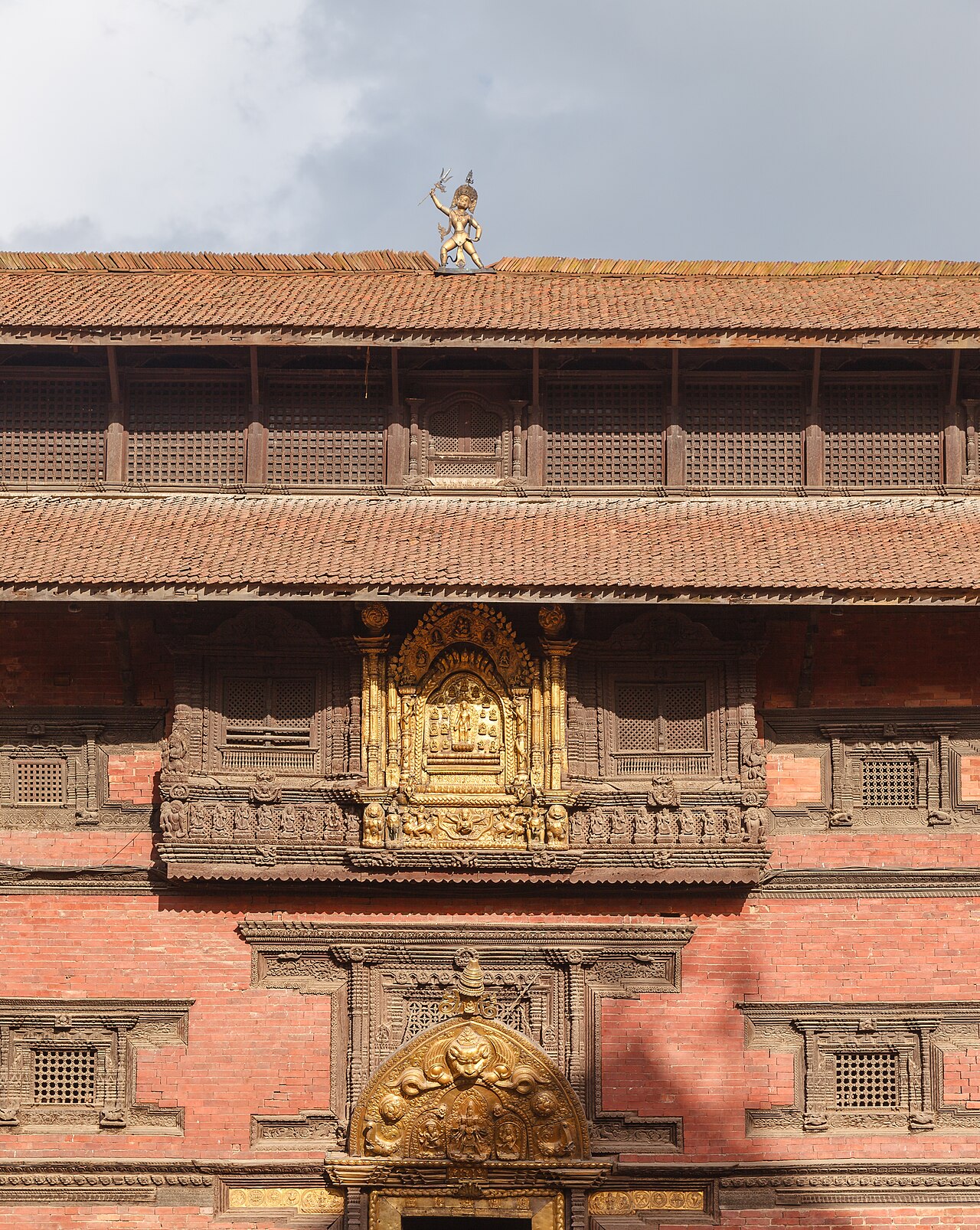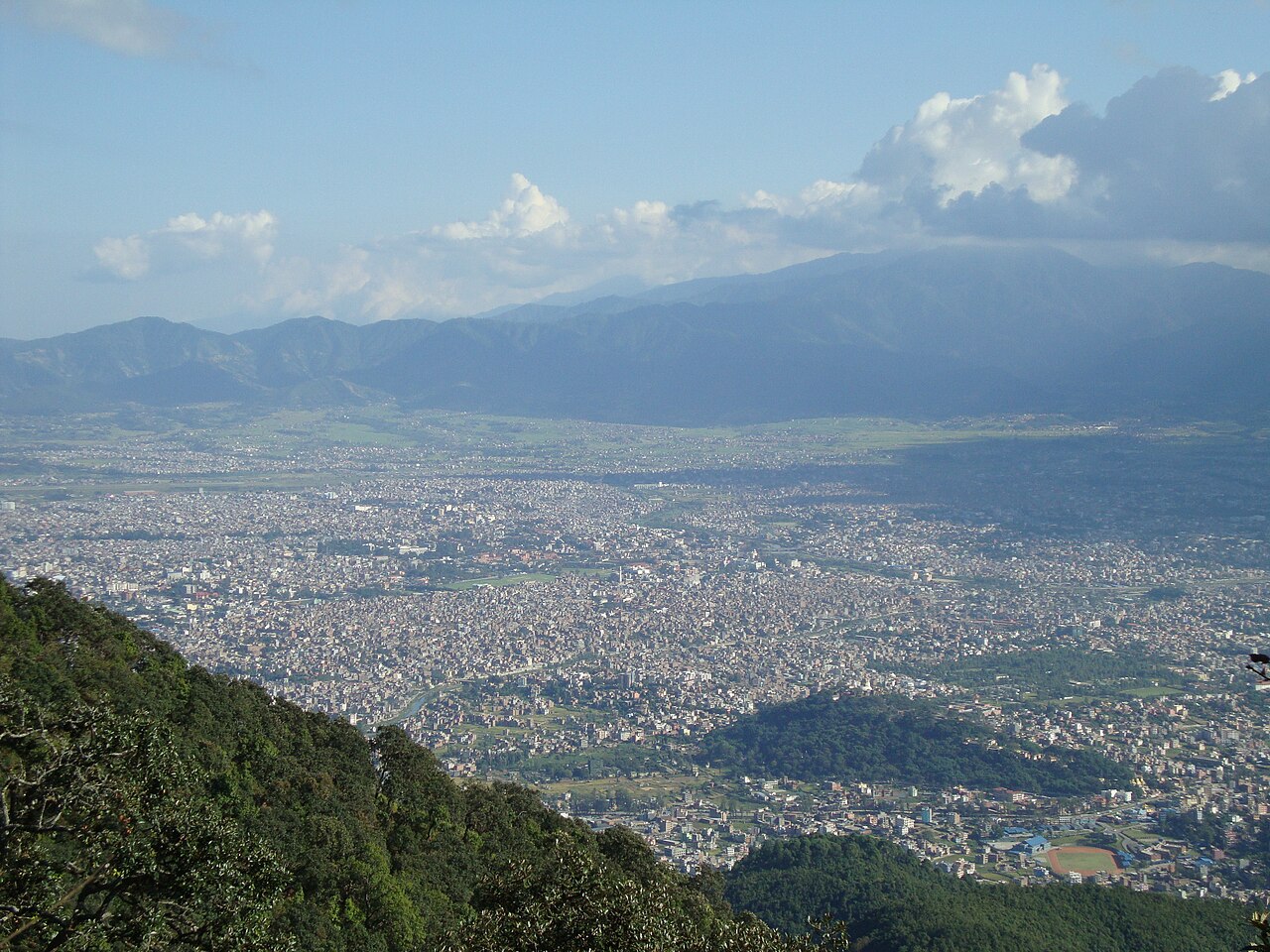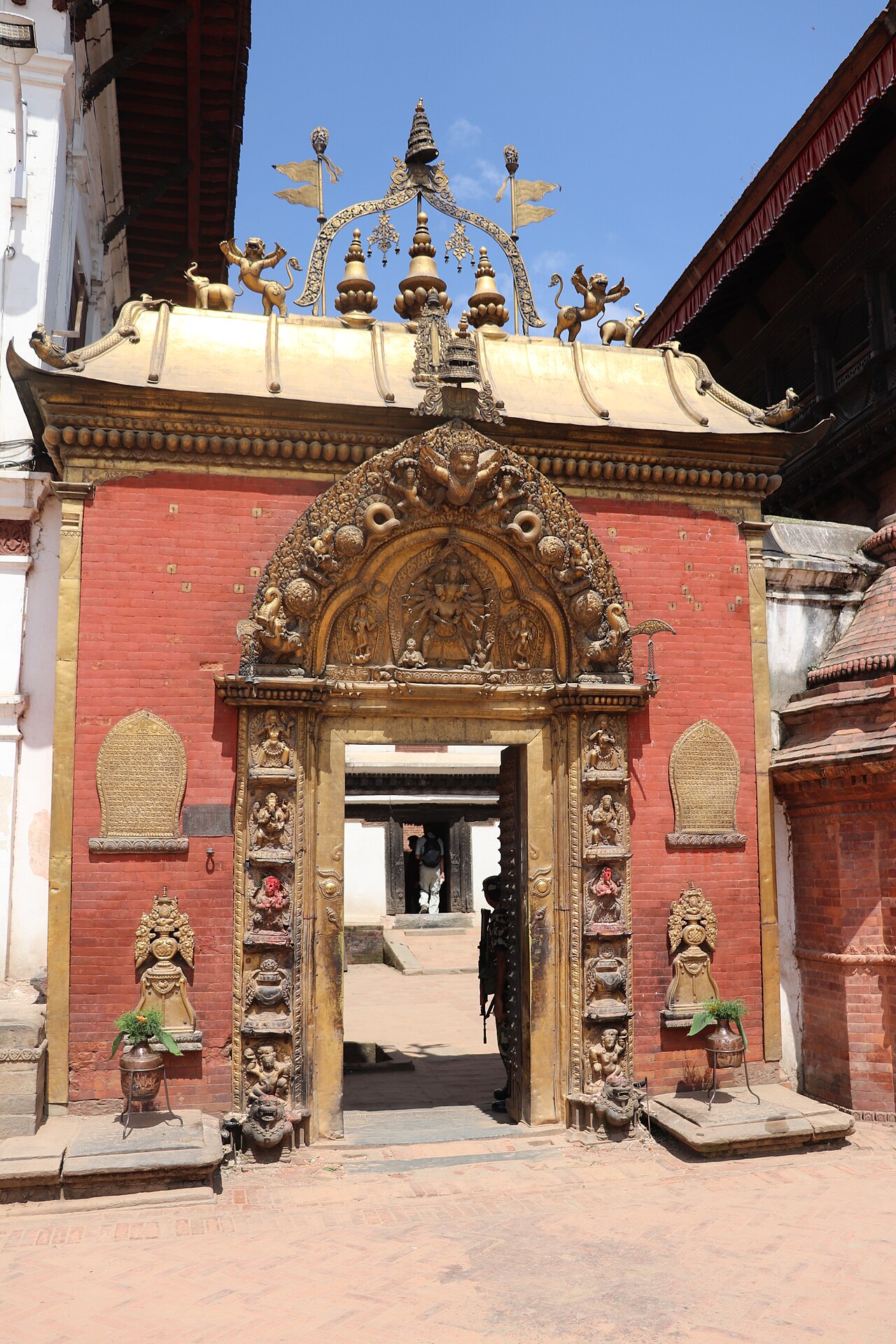
Bhaktapur, about an hour east of Kathmandu, is the best preserved of the valley's old royal cities, and it feels like a living museum where people still work, trade and worship among the monuments. The Durbar Square has the Palace of Fifty-five Windows, the gilded Golden Gate, and a collection of temples, while a short walk leads to Taumadhi Square, where the five-storey Nyatapola temple rises on its steps guarded by pairs of stone figures. Pottery Square is where clay is thrown and dried in open courtyards, and Dattatreya Square holds the woodcarving museum and the famous peacock window. Foreign visitors pay an entry fee for the city area, and it is easy to spend an entire day here. Because motor traffic is limited in the old core, wandering is a pleasure.
Bhaktapur was an independent kingdom until the eighteenth century and developed a distinct Newar culture with its own festivals, foods and crafts. The most famous food is juju dhau, the creamy king curd served in clay pots, and you will find it in small shops around the squares. The 2015 earthquake caused heavy damage, especially around Durbar Square, and rebuilding has continued for years, so the picture is of a city mid-recovery, with scaffolding in some places and fully restored temples in others.
A good route starts at Durbar Square for the palace and Golden Gate, then moves to Taumadhi Square to see Nyatapola and the Bhairabnath temple. From there, follow the lanes down to Pottery Square and over to Tachapal for the woodcarving museum. Bring a fully charged phone for photos, but also give time to simply sit at a cafe and watch the square. A guide helps with the history, and a day tour that includes lunch keeps logistics easy.
Bhaktapur is a good choice for travelers who want a quieter, more atmospheric alternative to Kathmandu's crowds. Go in the morning for the best light and the busiest working life, and note that heavy festivals such as the new year celebrations bring huge crowds. Wear comfortable shoes for cobbles, carry some cash for tickets and handicraft purchases, and expect to be approached by guides and students offering conversation.
What to expect
The experience
A walk through four interlinked squares with a ticket for the old city area, often done as a guided half or full day trip from Kathmandu.
Best time
Morning for pottery work and soft light; avoid peak festival days unless you enjoy big crowds.
How long
Three to five hours is a good visit, and a full day suits photographers and slow walkers.
Tips
Try juju dhau, wear flat shoes, and bring your ticket as checks happen inside the old city.
Quick picks
- Best for
- Travelers who want the most authentic medieval Newar townscape in the valley.
- Families
- Open squares and pottery workshops fascinate children, but cobbles and steps are tiring for small legs.
- Couples
- Share a bowl of king curd on a temple platform, then watch sunset from a rooftop cafe.
- Pair with
- Nagarkot for sunrise, Changu Narayan temple, or Patan Durbar Square on a valley day.
- Time needed
- At least half a day; a full day is better if you want to enjoy the lanes.
Good questions
How far is Bhaktapur from Kathmandu?+
It is roughly an hour by car depending on traffic, covering about 13 kilometers. Taxis, ride-hailing and tours all make the trip, and buses are available but crowded.
Do I need a separate ticket?+
Yes, foreign visitors pay an entry fee for the old city area, and the ticket is usually checked at points of entry. Keep it with you throughout the day.
What should I eat in Bhaktapur?+
Juju dhau, the sweet king curd served in clay pots, is the signature treat, and local cafes serve Newar dishes. Ask your guide or hotel for a trusted place.
Is it better to stay overnight?+
Some travelers stay for an evening to see the squares without day-trippers, and that can be lovely. It is easy to return to Kathmandu the same day if you prefer.
Is the city fully rebuilt after the earthquake?+
Reconstruction has progressed, though some monuments are still being restored. The overall atmosphere remains strong.