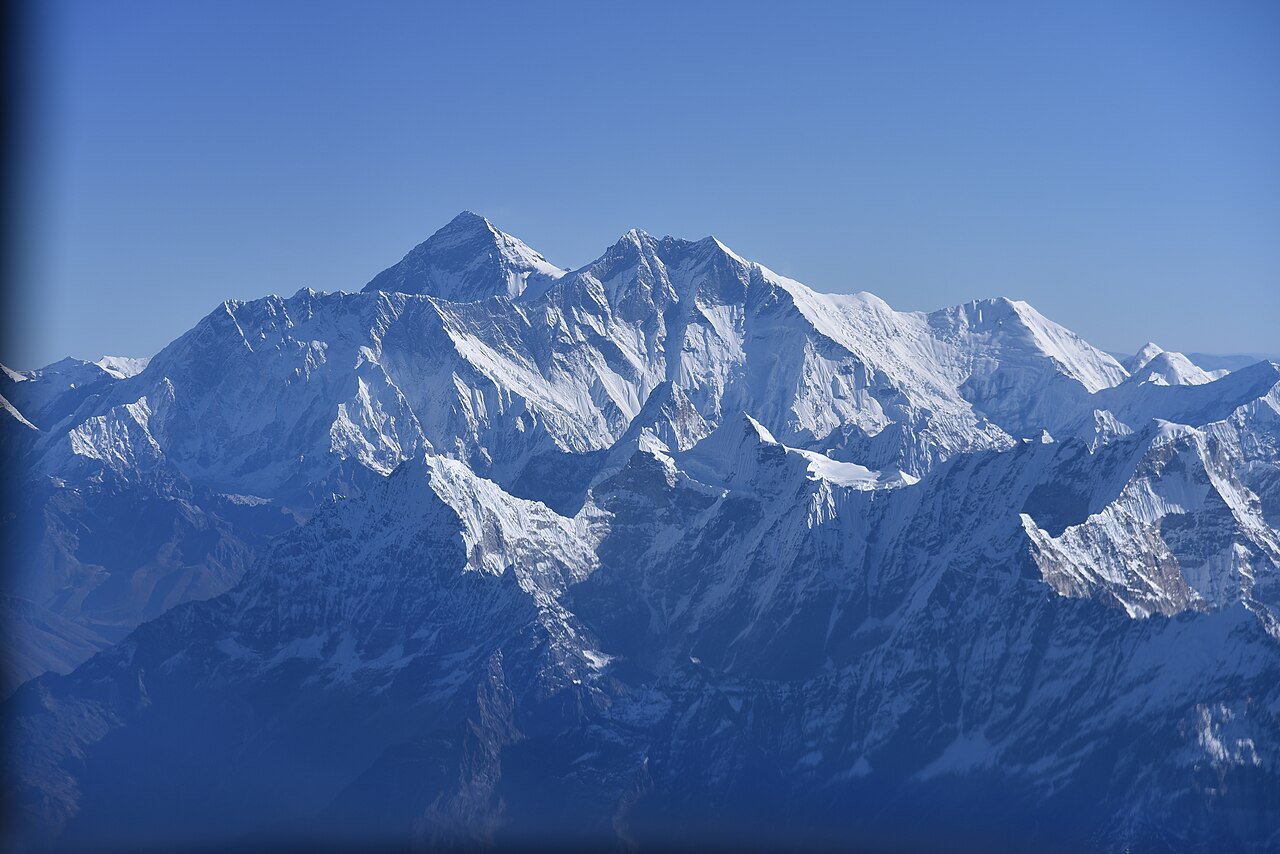
Kathmandu is loud, dusty, devout and astonishing, and it rewards visitors who plan the big things and leave room for the small ones. The valley holds seven UNESCO monument zones within a short drive of each other, from palace squares and hilltop stupas to a holy river, and the Himalaya sit on the horizon in clear weather. Here is how to organize a first visit.
Before you go
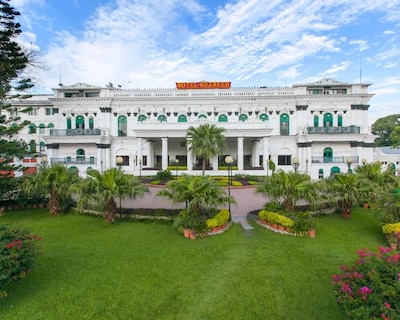
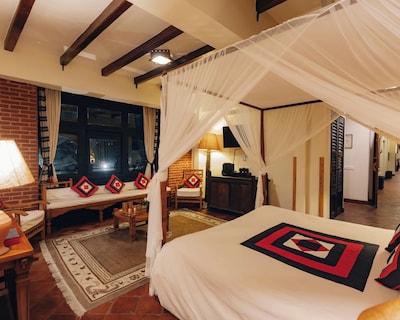
Check your government's current travel advice for Nepal and confirm visa arrangements, which most visitors handle on arrival or online. Book your Everest mountain flight early in the trip, because flights are weather dependent and you want a spare morning for a delay. If you plan a Nagarkot sunrise, book it for the middle of your stay for the same reason. Hotels in the October and November peak fill up, so reserve The Dwarika's or Hotel Shanker well ahead.
When to go
Autumn, October to November, has the clearest skies and mild days, and spring brings rhododendrons and warmer weather. The monsoon from June to September means cloud and mud, and winter mornings are cold but crisp. For mountain views, plan your flight and viewpoint trips in the clearest season.
How many days
Three full days is the minimum for the valley highlights, four is comfortable, and five lets you add a day hike or a flight without rushing. With three days, do Kathmandu Durbar Square and Swayambhunath on day one, Boudhanath and Pashupatinath on day two, and Patan and Bhaktapur on day three. With four or five, add the Nagarkot sunrise, the Everest flight and a half day on a forest trail or cable car.
Day one: the old city
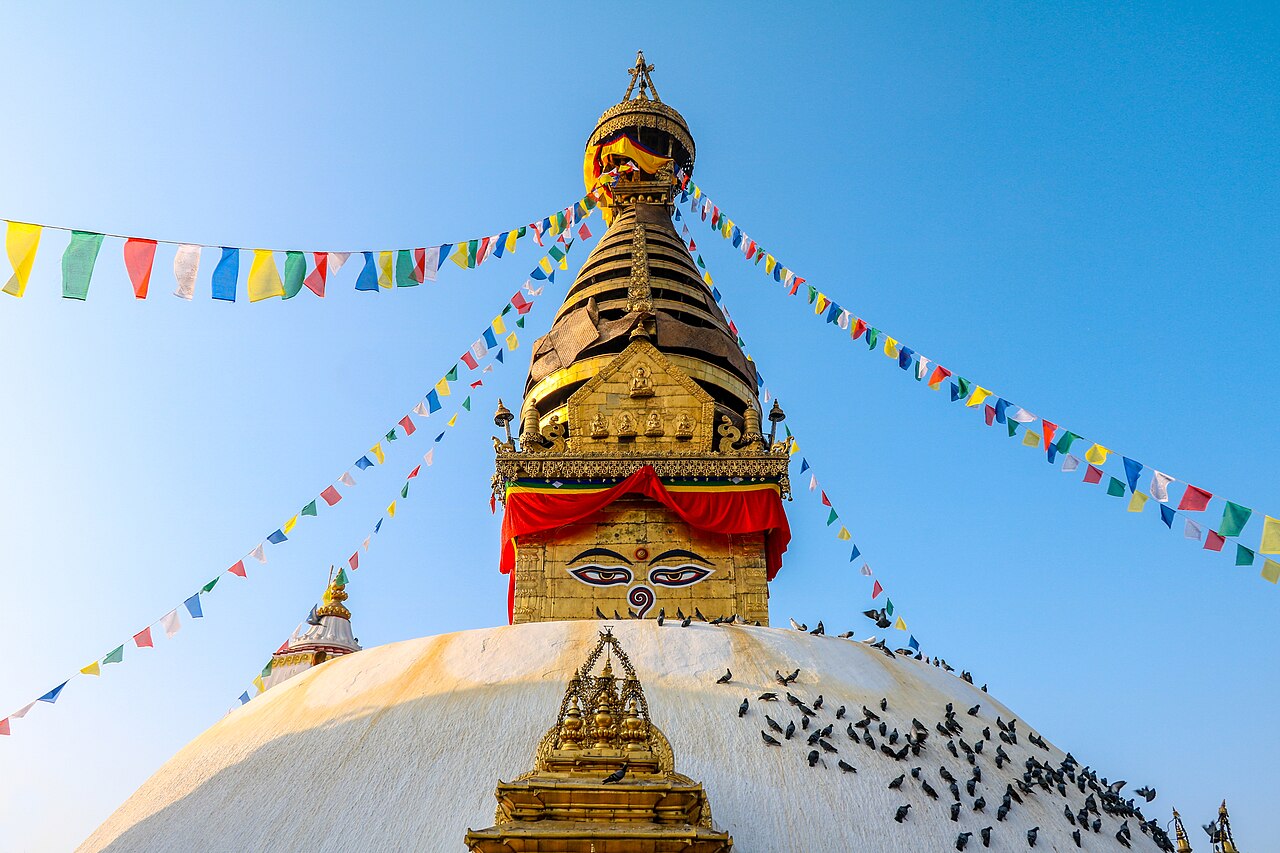
Start early at Kathmandu Durbar Square, when the light is soft and the crowds thin, and walk the lanes toward Asan Bazaar. In the afternoon, climb to Swayambhunath for the hilltop view and the sunset glow on the stupa. A licensed guide is worth hiring for the first day, because the layers of history make more sense with context.
Day two: two sacred sites
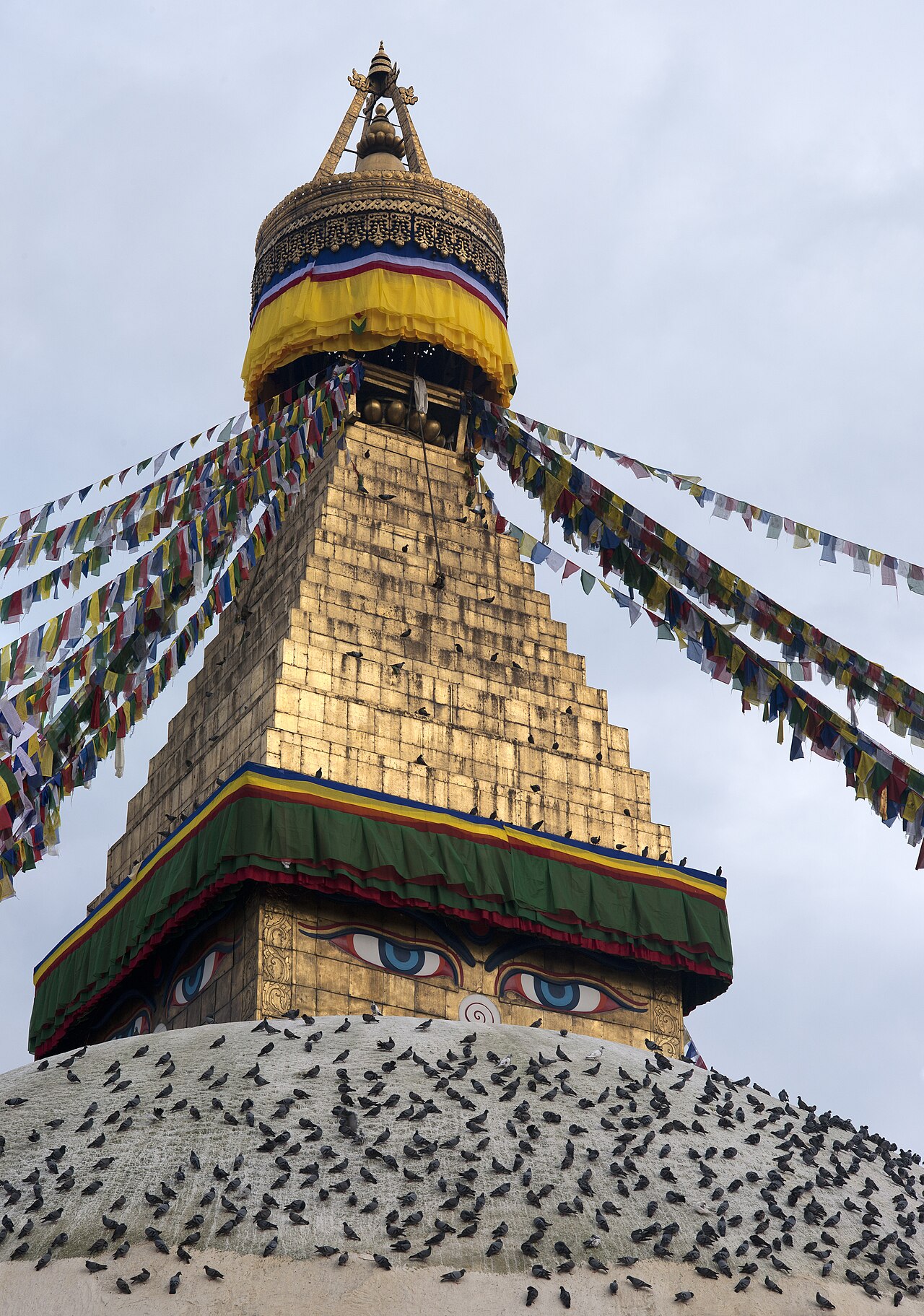
Spend the morning at Pashupatinath, the Hindu temple complex on the Bagmati, then move to Boudhanath for the Tibetan Buddhist circuit. These two sites are close together and make a natural pair. Take a rooftop lunch at Boudha and return at dusk if you can, when butter lamps and chanting fill the plaza.
Day three: the royal cities
Take a taxi or private driver to Patan Durbar Square and its museum, then continue to Bhaktapur for the medieval lanes, Nyatapola temple and king curd. If you want less transit, choose one city and stay longer. Bhaktapur is the more atmospheric, and Patan the more refined.
Mountain days
A Nagarkot sunrise combined with the hike to Changu Narayan is the classic day out, and the Everest flight is a morning activity. For something gentler, the Chandragiri cable car and the Shivapuri forest trails give views and fresh air within a day's reach. Always keep a flexible day for weather.
Getting around
Taxis and ride-hailing apps are the easiest options, and you should agree fares or insist on the meter before setting off. Traffic is heavy and slow, so group sights by area and avoid crossing the city at rush hour. In Thamel and the old squares, walking is best. Hiring a driver for a day is common and good value for valley sites.
Money, etiquette and health
Carry cash for entry tickets and small purchases, dress modestly at temples, remove shoes where signs request it, walk clockwise around stupas and ask before photographing people. Drink bottled or filtered water, and use sunscreen and a mask on dusty days if you are sensitive to air quality.
Where to stay
Thamel is the easiest base for first-timers, with restaurants, guesthouses and trekking services at your door. For a quieter, grander stay, consider Lazimpat, Patan or the Boudha area. Our Where to Stay guide covers the five hotels we recommend and who each suits.
The honest advice
Do not try to see everything. Pick the sights that excite you, book the weather-sensitive ones first and leave space to sit in a courtyard, sip tea and watch the city. Kathmandu rewards slow travelers.