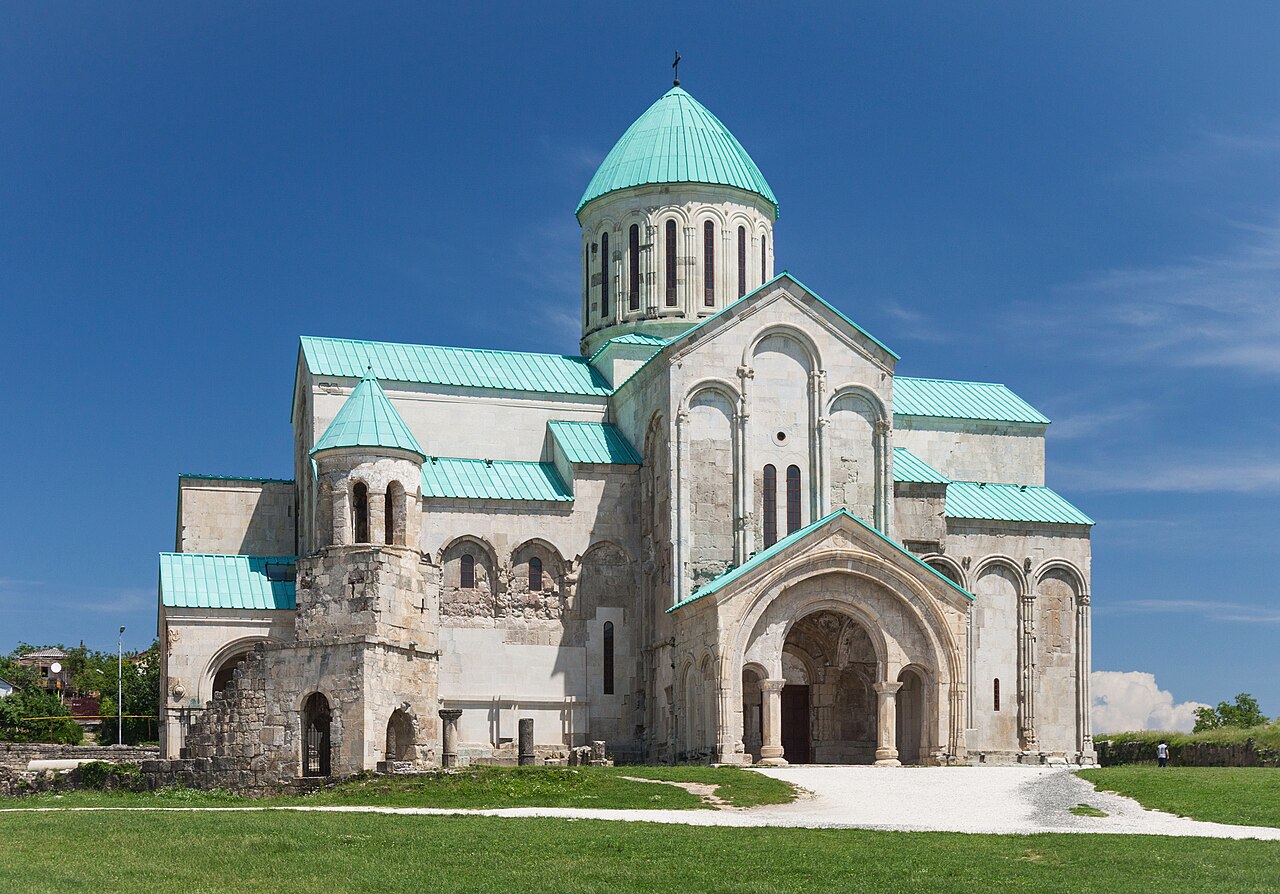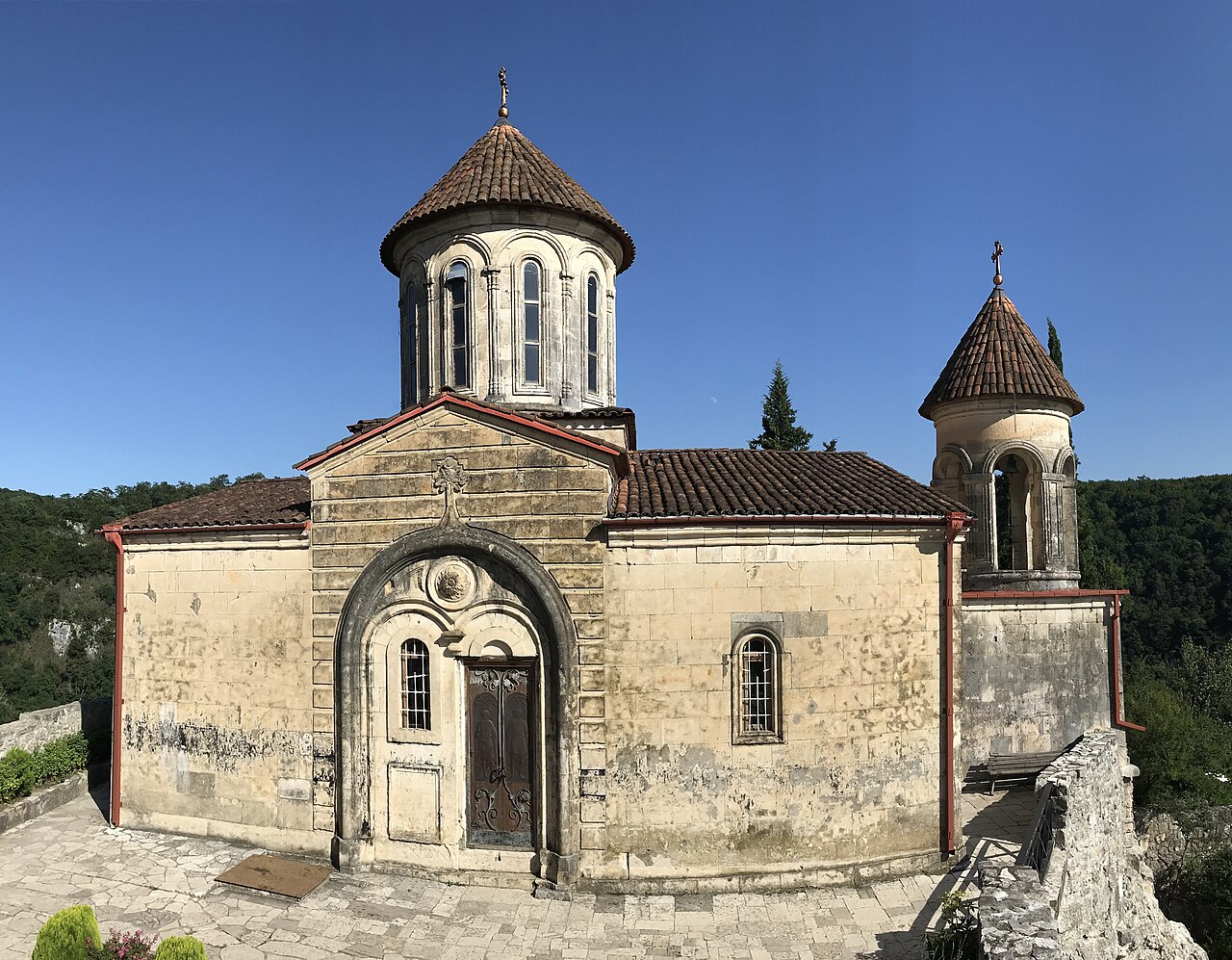
Motsameta Monastery is a small, atmospheric church on a rocky spur above the Rioni River, a few kilometres from the centre of Kutaisi. It is dedicated to two princes, David and Constantine Mkheidze, who according to tradition were killed in the eighth century by an invading Arab commander after refusing to renounce their faith, and whose relics rest in the church. The site is intimate rather than grand, a round-domed church with a carved porch, surrounded by oaks and chestnut trees and perched above a steep drop to the river. It is easy to see in under an hour, and it is usually paired with Gelati and Bagrati on the same half-day circuit.
The legend gives the visit its character. David and Constantine were rulers of the Argveti region, and when the Arab general Murvan the Deaf conquered the area he is said to have thrown them into the river, only for the waters to carry their bodies up to the rock where the church now stands.
Their relics were placed in a reliquary inside, and pilgrims have long believed that crawling beneath it three times, making a wish, will bring good luck. The reliquary is a stone-and-wood structure with a low space underneath, and a steady line of local people take part, especially on weekends and feast days.
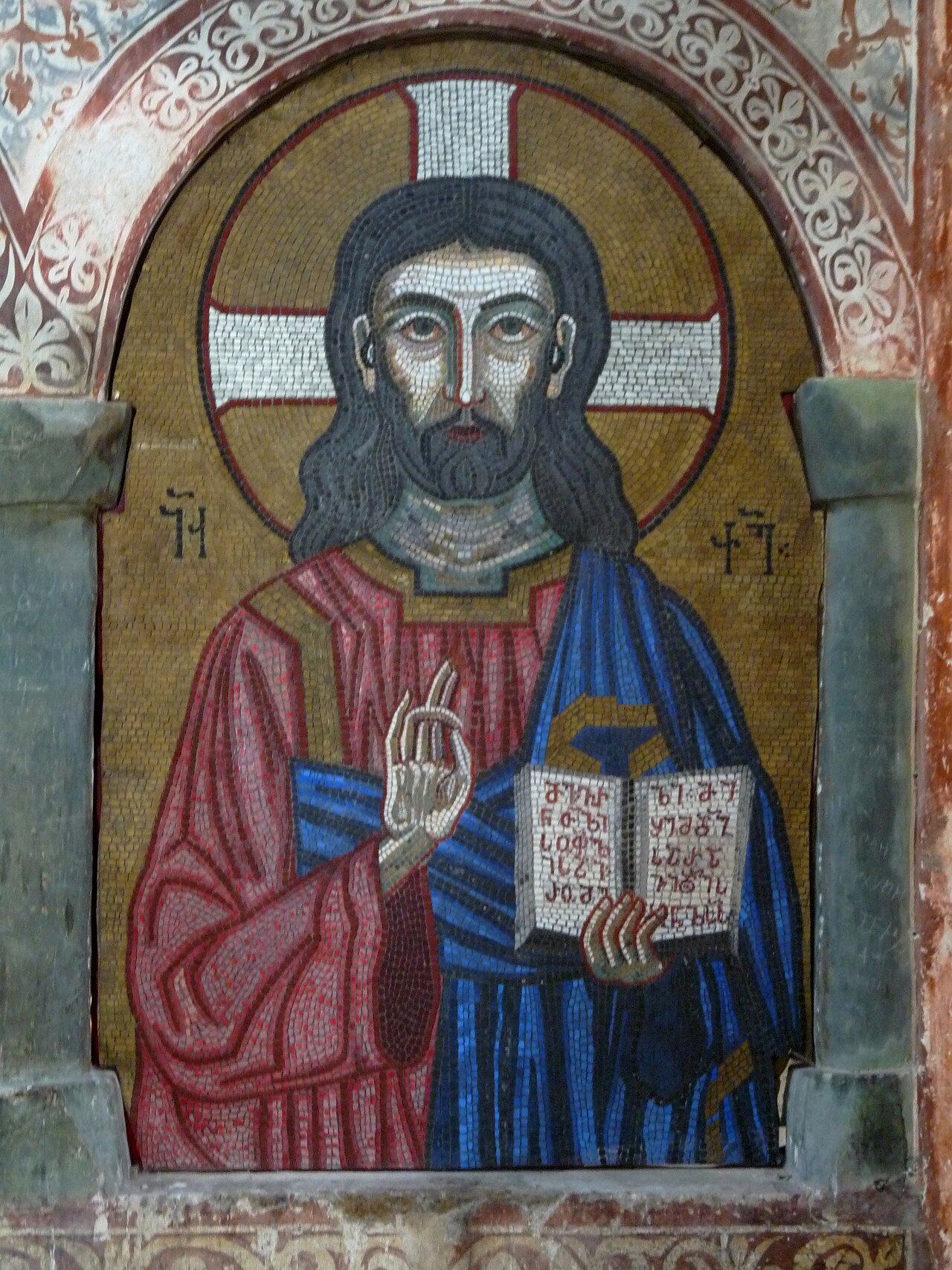
The church itself is a small domed building of mellow stone, with a graceful proportion that suits its position. It was rebuilt in the eleventh century and again in the seventeenth, and the carved decoration on the exterior is worth a close look. Frescoes inside are worn but atmospheric. A cheerful old monastery bell, a few candle stands and a low garden wall complete the scene, and from the terrace you can look down over the Rioni, where the gorge narrows between forested slopes.
Because there is little shelter, a visit in summer is best in the morning or late afternoon, while a visit in winter can be misty and very quiet.
Getting here is easy
The monastery is roughly six kilometres from the centre, a short taxi ride or a stop on almost every half-day religious heritage tour. If you walk, the path from the nearby roads down through the trees is pleasant but steep. As at all Georgian churches, modest dress is expected, with covered shoulders and knees and a head covering for women.
A small shop near the entrance sells candles, icons and simple souvenirs. Because the visit is short, Motsameta fits neatly between Gelati and Bagrati, or at the end of a day that starts with the canyons and caves west of the city.
For families and mixed groups, Motsameta is one of the easiest places to enjoy. There are no long queues, no tickets to buy and no requirement for special fitness, and the combination of a legend, a view and a bit of mild adventure on the forest path suits all ages.
Photographers will want to arrive early, when the light slants through the trees and few other visitors are around. If you are travelling on a tight schedule, Motsameta is also the stop to drop first when you need to save time, though most people find it worth the extra half hour.
What to expect
The experience
A short self-guided visit to a small monastery above the river gorge, with a reliquary, a legend to try and a terrace with views.
Best time
Morning or late afternoon for soft light and fewer groups; weekends bring pilgrims.
How long
About 45 minutes.
Tips
Dress modestly and be respectful of worshippers. Try the crawl beneath the reliquary if you wish. Combine with Gelati and Bagrati for a half-day circuit.
Quick picks
- Best for
- Travellers who like small, atmospheric places and legends over big monuments.
- Families
- Easy and short; children often enjoy the crawl beneath the reliquary.
- Couples
- A quiet gorge view and a story to share, a nice change from the larger sights.
- Pair with
- Gelati Monastery and Bagrati Cathedral.
- Time needed
- Under an hour including the walk from the road.
Good questions
Who are the saints of Motsameta?+
David and Constantine Mkheidze, princes who according to tradition were killed in the eighth century by an Arab commander after refusing to renounce their faith.
What is the crawling tradition?+
Pilgrims crawl under the reliquary holding the relics, three times, making a wish. It is a popular local custom and visitors can take part respectfully.
How far is it from Kutaisi?+
About six kilometres from the centre, a short taxi ride, and a stop on most half-day heritage tours.
Is there an entry fee?+
The monastery is a working church and entry is generally free, though donations are welcome.
How long should I allow?+
About 45 minutes, which makes it easy to add to a trip to Gelati or Bagrati.