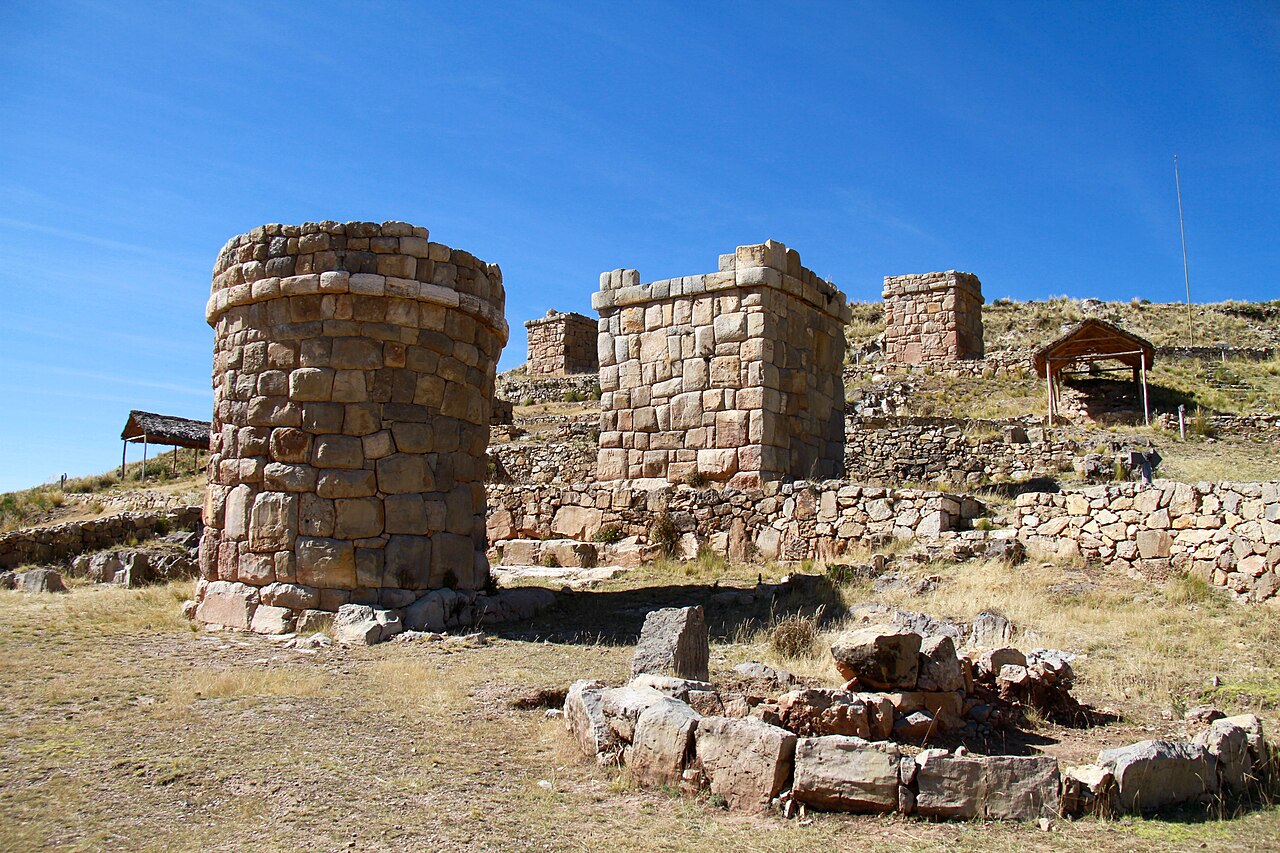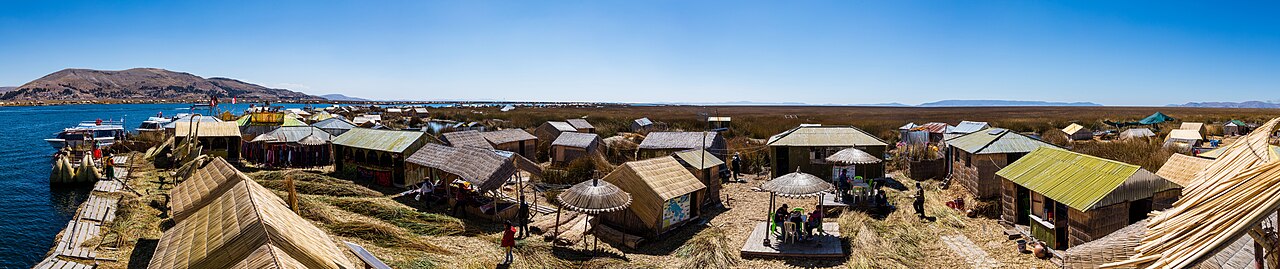
Amantani is a round, high island of farming terraces and stone paths, home to a Quechua-speaking community that welcomes visitors into family homes on a rotating basis. A typical two-day tour leaves Puno in the morning, stops at the Uros Islands, reaches Amantani in the afternoon and places each traveler or small group with a host family. You share a simple meal, sleep in a modest room, and in the evening gather at the community hall for music and dancing. The island has two hilltop sites, usually named for Pachatata and Pachamama, the Father Earth and Mother Earth, where visitors climb to watch the sun set over the lake. After a cold, starry night, the second day continues to Taquile before returning to Puno.
What the stay is like
Homes are plain and welcoming, with whitewashed or adobe walls, a bed piled with heavy blankets and food cooked over a wood or gas flame. Meals are usually vegetarian and built around potatoes, quinoa, vegetables and sometimes a soft local cheese, with muña tea or coca tea served warm. Electricity may be limited and hot water is basic, so see the stay as an exchange rather than a hotel.
Hosts are chosen in rotation to spread the income fairly through the community, which is a strong part of the island's approach to tourism. A small gift for the family, such as fruit, rice, school supplies or other simple groceries, is warmly received, but ask your guide what is genuinely useful.
The evening and the sunsets
Late afternoon, the group climbs together to one of the temples on the summits, which stand at roughly 4,100 meters. The climb is slow, steady and breathless for most people, and your host family may offer to guide you. The view across the water toward the Bolivian Andes at sunset is the reward.
In the evening, many tours include a gathering in the community hall, where visitors are lent local clothing to dance with islanders to panpipes and drums. It can be touristy, but it is also good-humored and gives a glimpse into island celebrations.
Choosing a tour
Two-day packages vary in price and comfort. Cheaper tours use slower boats and larger groups, while more expensive private or small-group options give more flexibility and quieter transport. All of them should include meals, the homestay, entry fees and the return boat, but confirm what is covered, as some charge island fees separately.
Pack a warm sleeping layer, a flashlight or head torch, a small daypack, soles for extras, water, layers and sunscreen. Nights at this altitude fall near or below freezing for much of the year, so do not underestimate the cold, and be patient with altitude on the evening climb.
Some practical tips make the night easier. Pack a small overnight bag, since large suitcases are left in Puno, and include warm socks, a hat for sleeping, a reusable water bottle and any medication you need. Mornings start early, with breakfast of pancakes, bread and tea before the boat to Taquile.
If you are sensitive to altitude, tell your guide and your host family, who will gladly offer extra tea and blankets. Remember that you are a guest in a private home, so remove your shoes if asked, accept food graciously and keep noise low in the evening.
What to expect
The experience
A two-day, one-night tour: Uros Islands, an afternoon on Amantani with a family homestay, a sunset climb and evening music, then Taquile on day two before returning to Puno.
Best time
The dry season from May to October for clear sunsets, though nights are cold at any time of year.
How long
Two days and one night, leaving Puno in the morning and returning the following afternoon.
Tips
Bring a warm layer, a head torch, small soles and a modest gift for your host family, and take the sunset climb slowly.
Quick picks
- Best for
- Travelers who want to experience island life overnight and see Titicaca beyond a day-trip pace.
- Families
- Good for older children who enjoy simple living, but conditions are basic and nights are cold.
- Couples
- The sunset climb and the starry night sky make this one of the most memorable stays on the lake.
- Pair with
- Taquile on the second day, which most two-day tours include, and a Sillustani visit back on the mainland.
- Time needed
- Two days and one night.
Good questions
What is a homestay on Amantani like?+
You stay in a simple family home, share meals with your hosts and sleep under heavy blankets. Facilities are basic and the experience is the point.
How cold does it get at night?+
Very cold at this altitude, often near or below freezing in the dry season. Bring warm layers and sleep in them if needed.
Is the sunset climb hard?+
It is short but steep and the air is thin, at roughly 4,100 meters. Go slowly and take breaks.
What food is served?+
Meals are typically vegetarian and built on potatoes, quinoa, vegetables and soup, with warm herbal teas.
Should I bring a gift for my host family?+
A small gift of useful groceries or school supplies is appreciated. Ask your guide what is welcome.