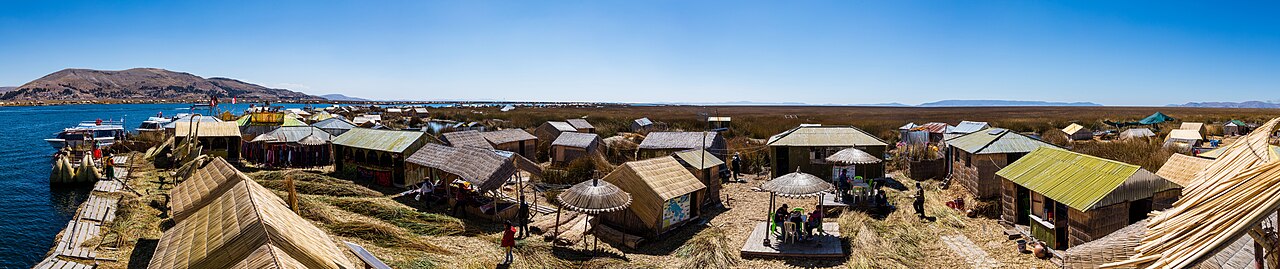
Most visitors see the Uros Islands in an hour and leave. A night on one of them is a very different experience. Several island families in the bay offer simple overnight stays, with a small reed guest house, a shared meal and time to talk after the day tours have left. You arrive in the afternoon, help with or watch the daily tasks, such as fishing, cooking or repairing reed, and stay on as the sun sets across the bay. The night is cold and very dark, with an extraordinary sky, and in the morning you wake to a still lake and a sunrise over the reeds. It costs more than a day tour and is more basic than a hotel, but it gives you a rare chance to see the islands from the inside.
What to expect
Rooms are small, built of reed and wood, with mattresses and thick blankets, and the floor moves very slightly as you step. Toilets and washing facilities are basic, and some islands use solar power for lights. Meals are cooked by the family and often feature lake fish, potatoes and quinoa soup.
Because the islands are small and close together, the sense of space is limited, but the pace is slow and the conversation with your hosts is the heart of the experience. Many hosts speak some Spanish and a little English, and a guide often accompanies the group to translate.
Why it can be better than a day visit: during the day, boats arrive in a steady stream and each island performs a short routine for tourists. Overnight guests see what happens afterward, when the families cook, tend the reed, mend nets and settle into the evening. The morning light is wonderful, and early bird watching around the reed beds is rewarding.
Some overnight options include kayaking, a reed boat ride at dawn or a visit to a quieter, farther island, which makes them a good way to avoid crowds. Because the experience is personal, the host family usually appreciates a small gift or an extra purchase of handicrafts.
Practical advice
Pack warm sleepwear, a hat, gloves and a head torch, because nights in the dry season often fall near freezing and there is little heating. Bring cash in soles for extras, water, sunscreen and any medication you need, and check whether meals and transfers from Puno are included. Altitude can make sleep difficult for the first night, so give yourself a day or two in Puno before an overnight on the lake.
If you prefer a more traditional farming community, consider Amantani, Taquile or Luquina, which offer homestays on solid land, but the Uros overnight is the unique choice for the reed way of life.
Think about the ethics of an overnight stay. Choose an operator that works directly with island families and pays them fairly, and ask how hosts are chosen. Spend money on handicrafts or meals with your host instead of only on the tour fee, and keep the evening relaxed rather than treating the family as entertainment.
A thoughtful guest who asks questions and listens will usually receive more in return, from stories of the old reed boats to advice on fishing and bird life, and will leave with a much deeper impression than a quick photograph can give.
What to expect
The experience
An overnight stay with a family on a reed island in the Bay of Puno, with a shared meal, a simple reed room and a quiet sunrise after the day tours leave.
Best time
The dry season from May to October for clear night skies, though nights are cold all year.
How long
Overnight, arriving in the afternoon and leaving after breakfast.
Tips
Bring warm sleepwear, a head torch, small soles and a modest gift, and expect basic facilities.
Quick picks
- Best for
- Travelers who want to see the Uros once the day boats have left.
- Families
- Possible for adventurous older children, but conditions are basic and the island edges need supervision.
- Couples
- A starry night and a quiet sunrise make this unusually atmospheric.
- Pair with
- A kayak to the islands, Amantani or Taquile, or Sillustani the following day.
- Time needed
- One night, plus travel from Puno.
Good questions
Is it comfortable?+
It is simple. Expect a small reed room, thick blankets and basic bathrooms. The appeal is the experience, not the facilities.
How cold does it get?+
Very cold at night, often near freezing in the dry season. Bring warm clothing and a head torch.
What do we eat?+
Meals are cooked by the host family and typically include lake fish, potatoes and quinoa soup.
Is it better than a day trip?+
It is quieter and more personal, because you see island life after the tour boats leave.
Should I bring cash?+
Yes, small notes in soles for handicrafts, tips and extras.