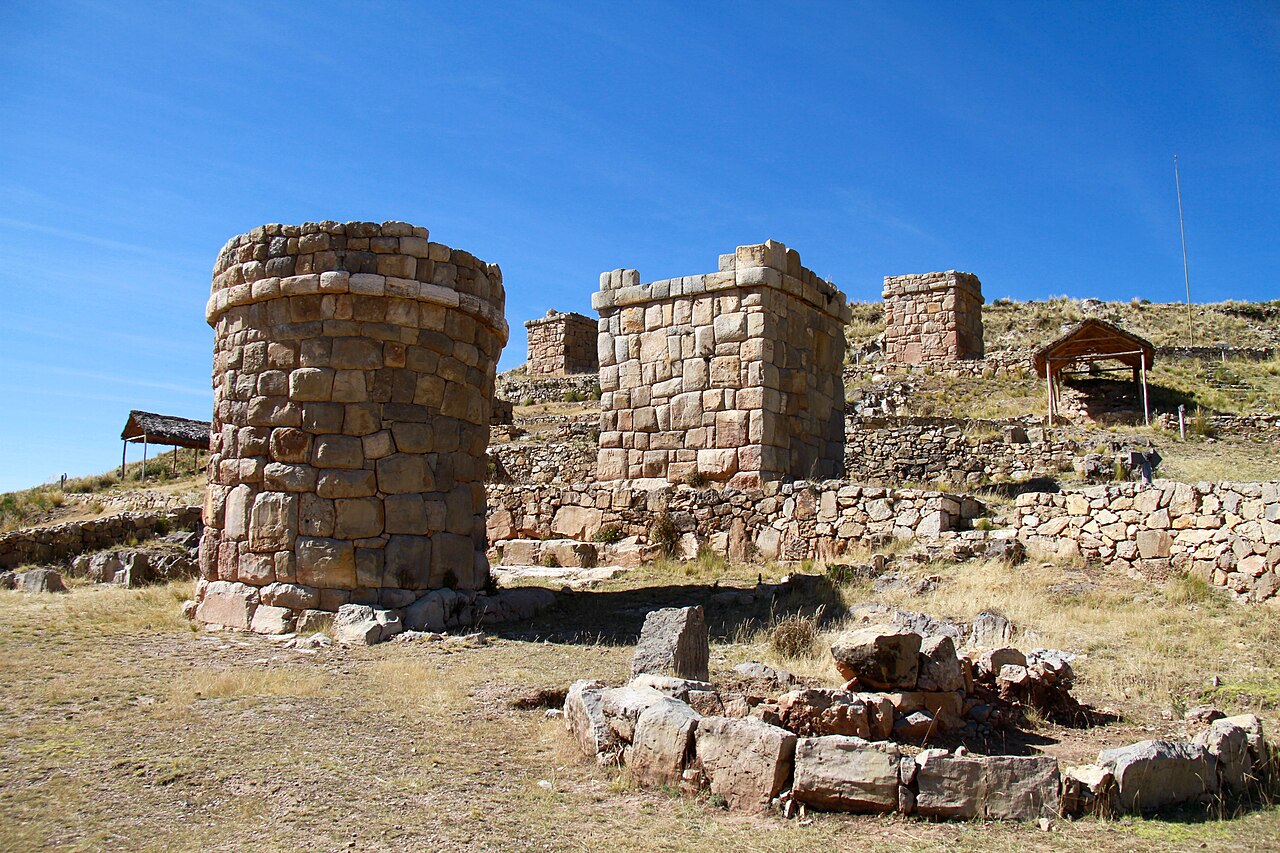
Taquile is a long, narrow island rising from the open water of Lake Titicaca, home to a Quechua-speaking community that has governed its own tourism for decades. There are no cars, no hotels in the usual sense and no big resorts; instead you walk stone paths between terraced fields, past stone arches and low houses, up to a plaza near the crest of the island. Taquile is famous for its textile tradition, which is recognized by UNESCO as part of humanity's intangible cultural heritage. Men knit the fine woolen hats called chullos, women weave belts and cloth, and the colors and patterns signal age, status and marital standing. The island sits well above the lake, so the views over blue water toward the snowy Bolivian range are among the best on Titicaca.
Getting there
Most day trips run from Puno as a full-day tour that stops first at the Uros Islands and then continues to Taquile. Boats come in two styles, slower tourist boats that take around three hours each way, and faster speedboats that cut the crossing time considerably. The slower boats cost less and give you more time on the water, while speedboats give you longer on the island.
The tour usually lands you at a small harbor and leaves a climb of several hundred steps to the main square, so take it slowly, since the island sits around 4,000 meters above sea level and you may already feel the altitude.
What you do on the island
After the climb you reach the central plaza, where a cooperative shop sells garments made on the island at fixed prices, which is a good place to buy honestly made knitwear. Lunch is generally served at a family-run restaurant and focuses on fresh lake trout, quinoa soup and local vegetables, with a view over the water.
Take time to notice the details
The arches, the quiet, the terraces climbing the slopes, the men knitting as they walk and the careful way in which the community organizes who serves visitors. The descent to the boat is by a different path, usually with a final photographic stop.
Practical care
Wear solid shoes, bring a hat, sunscreen, a warm layer and a water bottle, and keep small soles for entry fees and purchases. The sun is strong and the wind can be cold on the exposed boat decks. If you suffer from altitude or heart conditions, mention it to your guide and take the climb slowly.
Taquile is also a place where you can stay overnight with a family, and doing so shows you a calmer evening island that day visitors never see. Many travelers combine Taquile with Amantani in a two-day trip, which is a rewarding way to see the lake properly.
A few extra details help the day go well. The community organizes its own tourism and has a strong ethic of working together, and visitors are expected to be polite and unhurried. Lunch can take a while to arrive, so settle in and enjoy the view. If you want a quieter experience, ask your operator about staying overnight, when the island empties out and the evening light on the terraces is soft. Bring a camera with a zoom lens for the views, but ask before photographing people at work.
What to expect
The experience
A full-day boat tour from Puno that visits the Uros Islands, then Taquile, with a steady climb to the plaza, a trout lunch and time to browse the cooperative textile shop.
Best time
Dry-season mornings from May to October give calm water and clear views of the Bolivian peaks.
How long
A full day, usually 8 to 10 hours door to door depending on the boat.
Tips
Wear sturdy shoes, take the steps slowly at altitude, carry soles for entry fees, and buy textiles at the cooperative for fair prices.
Quick picks
- Best for
- Travelers who want a real Quechua island with textiles and views, not just a short boat stop.
- Families
- Older children can manage it, but the steps and long boat time are tiring for toddlers.
- Couples
- Linger over lunch with the lake views and walk the island paths in the afternoon light.
- Pair with
- The Uros Islands on the way, or an overnight on Amantani to add a second island.
- Time needed
- One full day, or two days when combined with Amantani.
Good questions
How long is the boat ride to Taquile?+
It depends on the boat. Slower tourist boats take around three hours each way, while speedboats are noticeably quicker.
Is Taquile worth it if I have visited the Uros?+
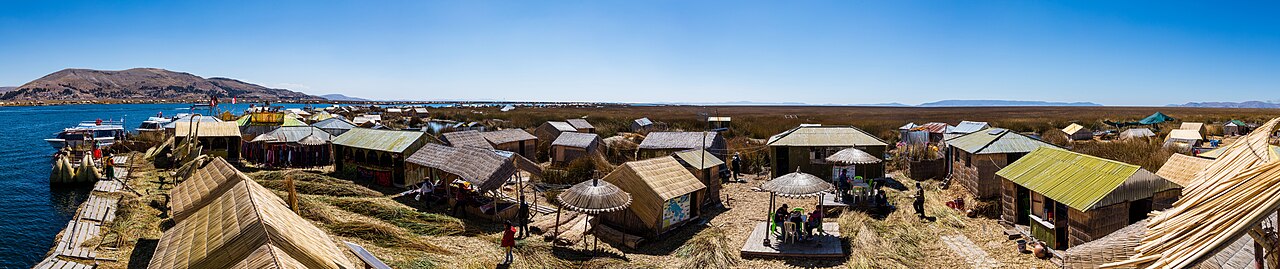
Yes. They are very different. The Uros show a life built on reed, while Taquile is a working farming island with terraces, textiles and a long community tradition.
Is there a climb?+
Yes. From the landing there are several hundred steps up to the main plaza, at around 4,000 meters, so go slowly and rest as needed.
What should I buy?+
Hand-knitted hats, woven belts and cloth are the specialties. The cooperative shop in the plaza sells them at fixed prices.
Can I stay overnight?+
Yes. Community homestays exist on Taquile, and many travelers choose a two-day tour that also includes Amantani.