Langkawi is hot and humid all year, with temperatures that barely change from month to month. What does change is the rain, the wind and the state of the sea, and those decide how many of your planned activities will actually run. There is no bad time to visit, but there are better and worse months for specific plans. This guide explains the pattern in general terms, since weather varies from year to year.
The drier, calmer months
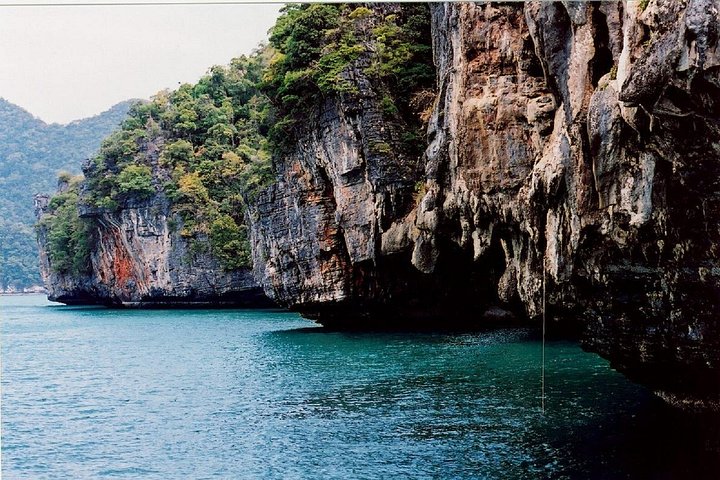
The generally easiest stretch runs from around December through March. Skies are clearer, seas are calmer and boat trips run reliably, which makes it the most popular time for beach holidays, island hopping and kayaking. It is also the busiest and most expensive period, so book flights and hotels well ahead, particularly for school holidays and festive periods. If your priority is a classic beach holiday with the best chance of sunshine and smooth boat rides, aim for this window.
The in-between months
Late spring and early summer bring warmer, more humid weather with more frequent showers, but they are often short and followed by sun. Many travellers find these months a good compromise, with fewer crowds and lower prices, though the chance of rough seas on a given day is higher than in the dry months. Plan boat trips early in your stay and keep a spare day in case one is cancelled.
The wetter months
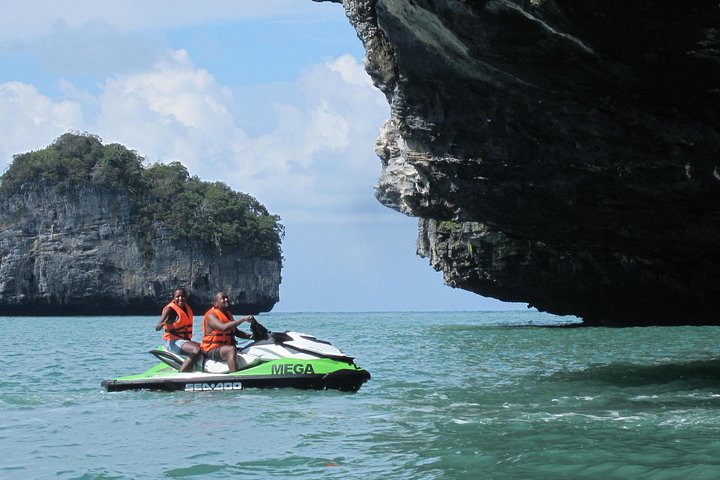
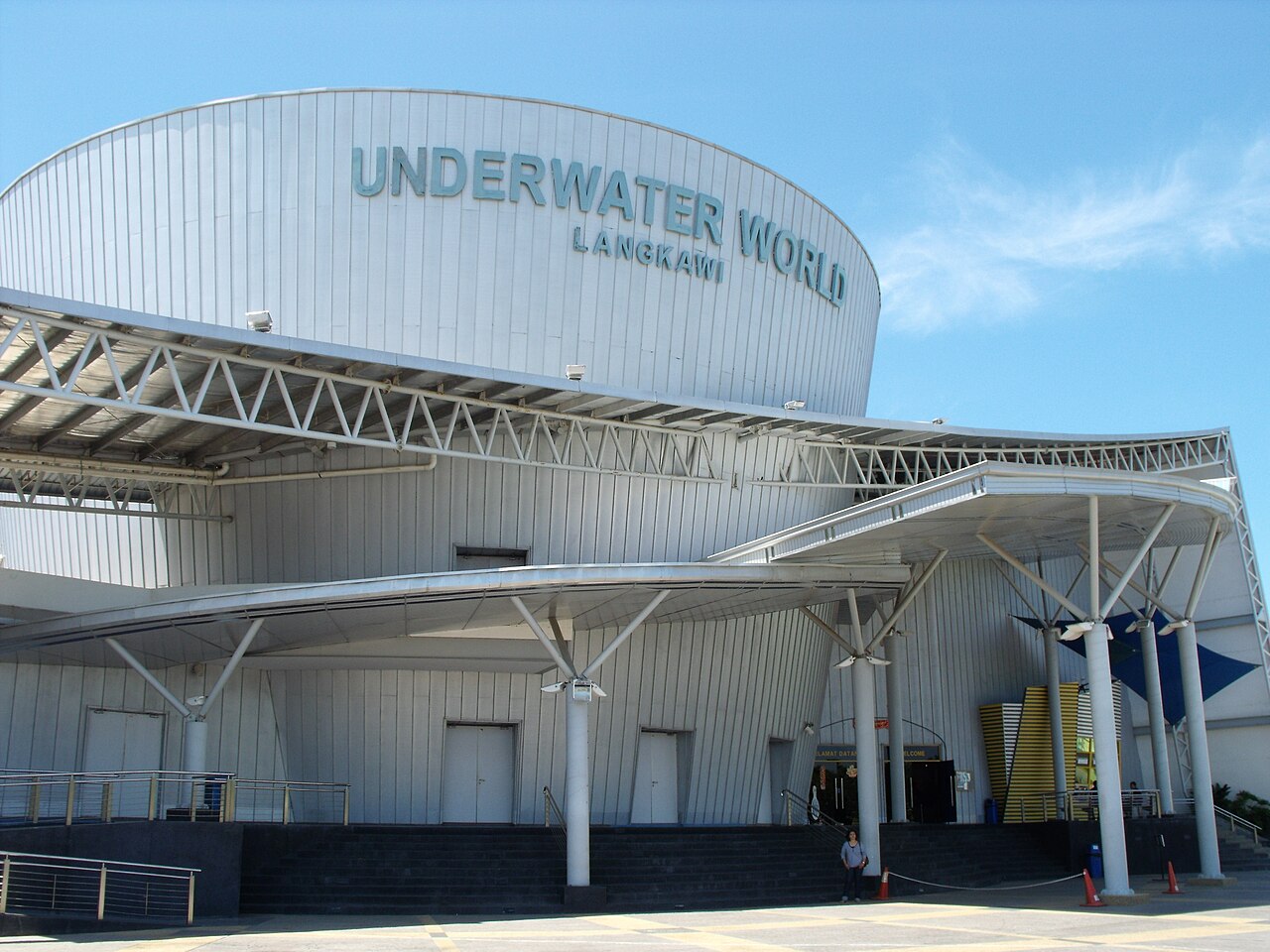
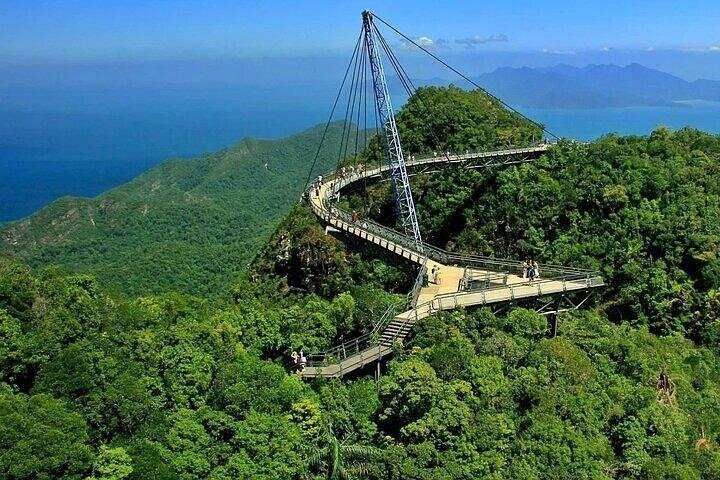
Rain is typically most frequent in the later months of the year, when storms can be heavy and the seas rough. Boat operators may cancel trips, jet ski and kayak tours can be postponed and the SkyCab and Sky Bridge may close during storms and high winds. That said, the island is green and quiet, hotels are cheaper and many days bring sunny spells between the showers. If you travel then, choose a flexible itinerary, a hotel with good facilities, such as a big pool or spa, and rainy-day options like Underwater World, the Wildlife Park, Crocodile Adventureland, the Crafts Complex and Laman Padi.
What each activity needs
The SkyCab and Sky Bridge depend on wind and cloud, and they also have scheduled maintenance days, so check the operator's calendar for your date and go early in the morning for the clearest views. The mangrove cruise and kayaking tours depend on tides as much as weather, and guides adjust the route, so follow their timing. Island hopping and jet ski trips need calm seas and are the most likely to be cancelled in rough weather. Waterfalls such as Telaga Tujuh and Durian Perangin flow most strongly after rain and are prettier then, but the stairs and rocks are slippery, so take extra care. Beaches are safe for swimming when conditions allow, but follow flag warnings and local advice, especially in the wetter months.
Time of day matters more than month
In any season, mornings are the best time for outdoor sights. The air is clearer, the heat is lower and the sea is calmer, and afternoon cloud often builds over the mountain. Plan your most weather-sensitive activities, such as the SkyCab, island hopping and the mangroves, for the first part of the day and keep afternoons for the pool, a late lunch or an indoor attraction. Sunset is a fine time for Maha Tower or a beach walk, and evenings are good for Dream Forest, which does not depend on daylight.
Events and holidays
Malaysian public holidays and school breaks bring more domestic visitors, and prices and crowds rise accordingly. Check the calendar for your dates, and book popular tours and the best rooms early. Some local events and cultural celebrations can add colour to a trip, but they can also affect opening hours, so confirm hours for sights that matter to you.
How to choose
If you want the best odds of clear skies and calm seas, go in the drier months and book early. If you value lower prices and quieter beaches and can accept some rain, consider the shoulder and wetter months, and build flexibility into your plans. Whenever you go, pack a light rain jacket, sun protection, insect repellent and quick-drying clothes, and keep your plans loose enough to swap a boat day for a cultural day when the weather says so.
Where to stay for each season
In the drier months, the beachfront resorts at Cenang, Kuah and Tanjung Rhu are at their best. In the wetter months, a larger resort with plenty of facilities, such as Pelangi Beach Resort and Spa or Berjaya Langkawi, gives you more to do on grey days, while Four Seasons at Tanjung Rhu suits those who want a calm, luxurious retreat whatever the weather. Whatever the season, our guide to where to stay will help you pick a base that fits the plan.