Langkawi has a reputation as a luxury island, but it is perfectly possible to visit on a modest budget. Much of what makes the island special, its beaches, waterfalls, viewpoints and sunsets, costs little or nothing, and duty-free status keeps some everyday items cheap. The big expenses are transport, boat trips and hotels, and each of those has smart ways to economise. Here is how to stretch your money without missing the highlights.
Start with the free sights
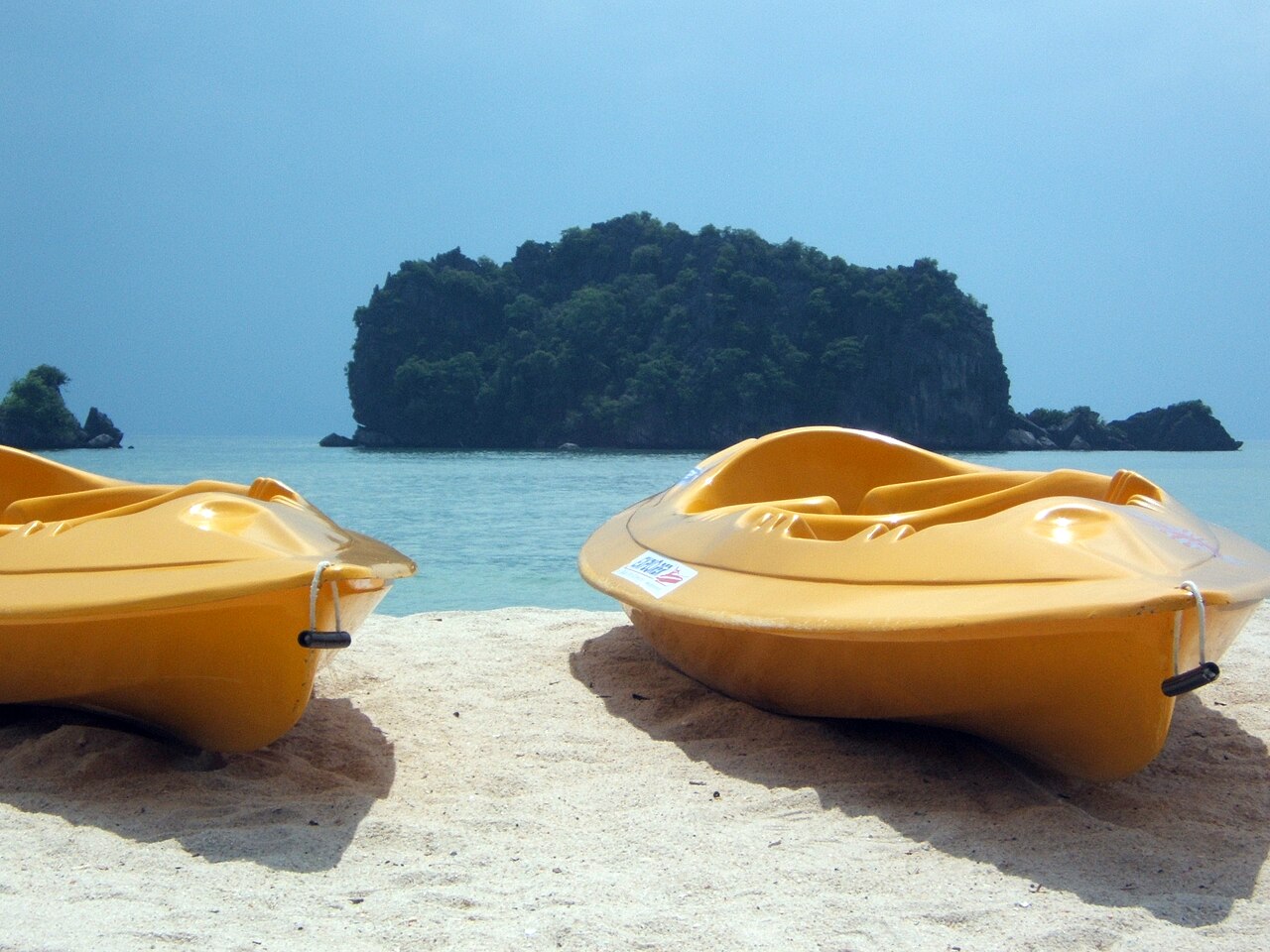
Pantai Cenang and Tanjung Rhu are free public beaches, and Tanjung Rhu is arguably the most beautiful on the island. Telaga Tujuh is a free waterfall with natural pools, and the stair climb is a workout in itself. Eagle Square in Kuah is free to visit and makes a good photo stop, and the Crafts Complex is generally free to enter, which makes it a cool, shaded place to browse in the middle of the day. Sunsets cost nothing, and a long beach evening with a street-food dinner is one of the best things to do on the island.
Be selective with paid sights
You do not have to do everything. Pick two or three paid highlights that matter most to you, such as the SkyCab and Sky Bridge, a Kilim mangrove cruise and island hopping, and fill the rest of your days with free activities. Entry tickets to places like Underwater World, the Wildlife Park, Crocodile Adventureland or Maha Tower are among the cheaper ways to spend a few hours, and Laman Padi is a low-cost cultural stop at Cenang. Check what each ticket covers, since add-ons at the top of the SkyCab can multiply the cost.
Choose shared over private
Shared boat tours, such as group mangrove cruises and island hopping trips, cost far less per person than private charters. They run on fixed departures, so you give up some flexibility, but you also meet other travellers and often get a good guide. Private tours make sense for families or groups who can split the cost, especially for the SkyCab, where a driver bundled with the ride can be better value than separate taxis. Compare the inclusions, including hotel pickup, lunch and entry fees, before deciding.
Cut transport costs
Transport is the hidden budget buster. Taxis are plentiful but not cheap, and the island is bigger than it looks. Ride-hailing apps are often cheaper in the Cenang, Kuah and airport areas. If you plan several sights in one day, a hired car with a driver or a self-drive rental often works out better than multiple taxi rides, and splitting the cost among friends helps. Group your sights by area, as our three-day plan suggests, to avoid criss-crossing the island. Scooters are the cheapest option, but only for experienced riders who are comfortable with local traffic and wet roads.
Eat like a local
Small local restaurants and stalls around Cenang and Kuah serve rice, noodle and grilled dishes at a fraction of the cost of beachfront restaurants. Eating a big local breakfast and a simple lunch leaves room for one nicer dinner. Carry a refillable water bottle, buy drinks at shops rather than on the beach and keep some cash for small vendors, since not everywhere takes cards.
Shop smart
Duty-free status makes chocolate, perfume and spirits cheaper than on the mainland, but shop prices vary, so compare a few before buying and check your home country's allowance. For gifts, the Crafts Complex has batik and woven goods that are more distinctive than mass-produced souvenirs, and it is worth comparing prices with the shops in Kuah.
Pick a value base
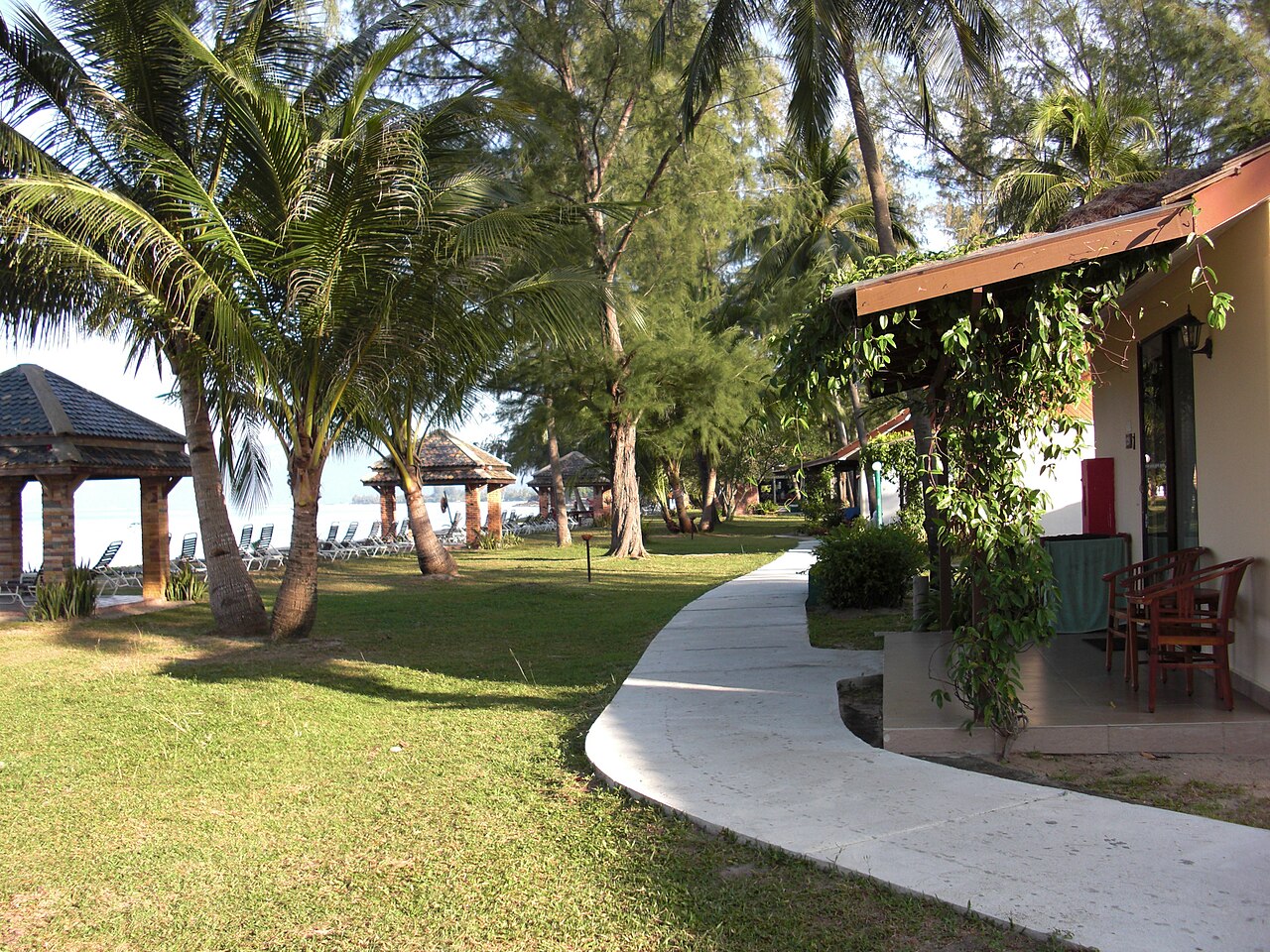
The Villa Langkawi at Pantai Tengah is the budget-friendly option in our lineup, with a pool, family rooms and free parking, about two minutes by car from Cenang Beach. If you plan to be out on tours most days, a simple base like this saves money you can spend on experiences. Check whether breakfast is included, because many hotels charge extra, and compare it with the cafes along the road. Book early for the busiest months, when cheaper rooms go first, and consider a mid-week stay if your dates are flexible.
Time your trip
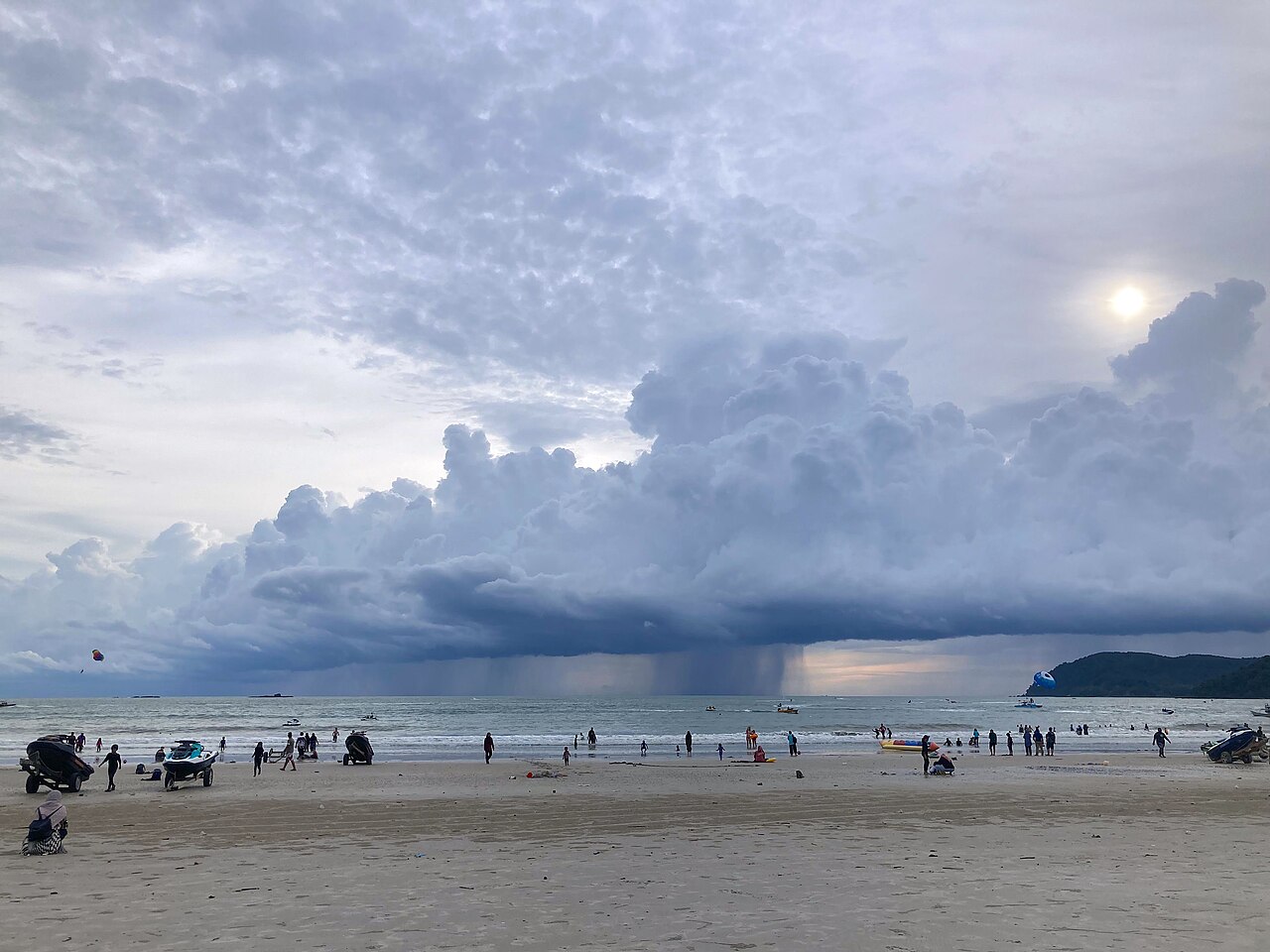
Prices for hotels and tours tend to be lower in the wetter months, when some boat trips are cancelled and the seas can be rough. If you can accept the risk of rain and flexible plans, you will often find better rates. Read our guide to the best time to visit for the seasonal pattern, and keep a buffer day for weather. With a little planning, a trip built around free beaches, a handful of well-chosen tours, local food and a value hotel can be among the most rewarding ways to experience the island.