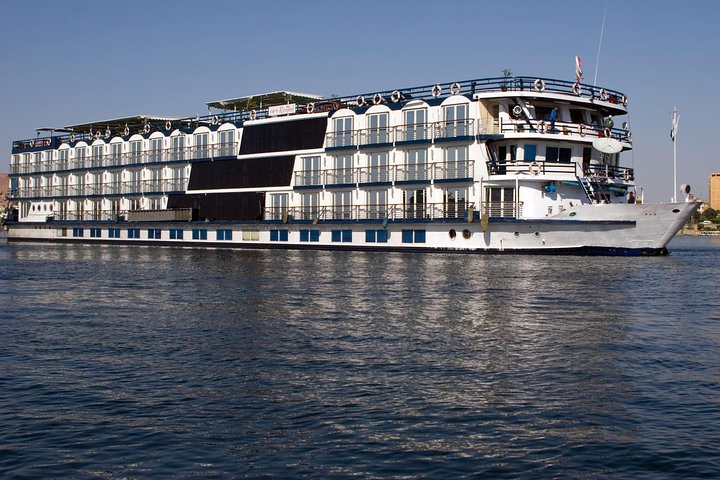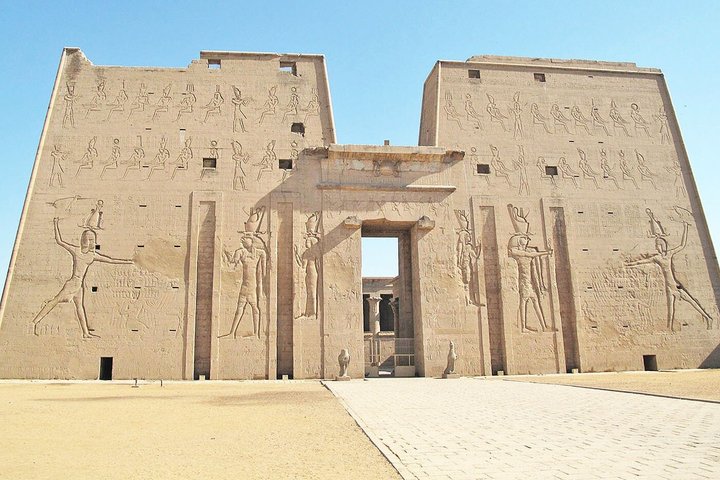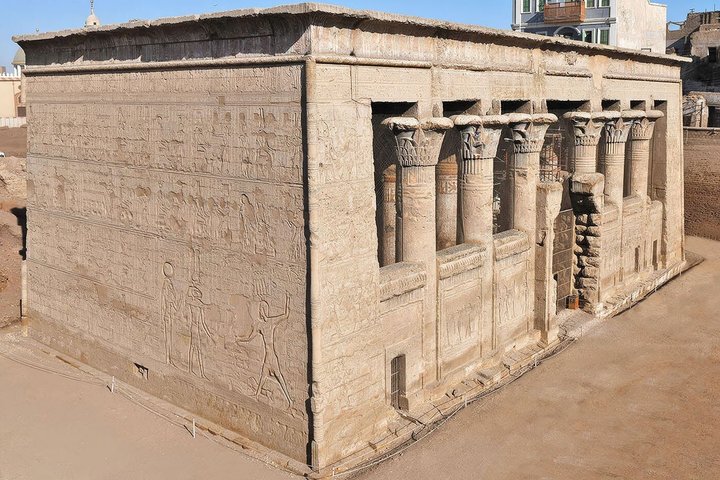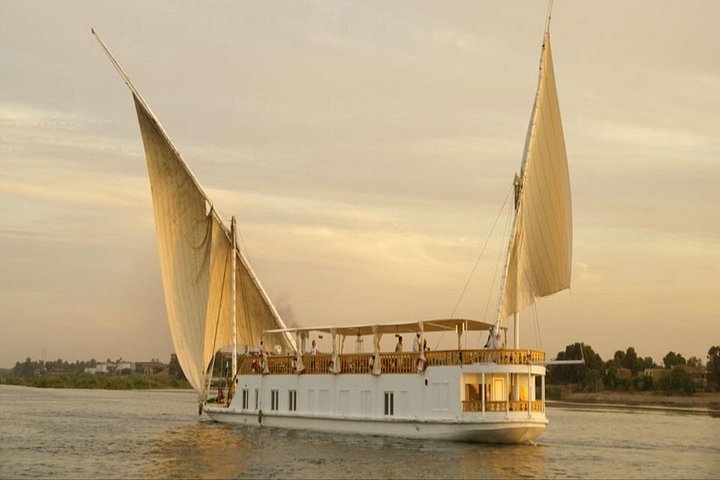
A dahabiya is a traditional Nile sailing boat that was once the travel choice of nineteenth-century explorers, and modern versions offer a slower, quieter alternative to the large cruise ships that fill the river. These boats carry only a small number of cabins, usually somewhere between a handful and a dozen, with a lounge, dining area and open sun deck, and they travel by sail when the wind allows, assisted by a tug or engine when it does not. A five-day cruise between Luxor and Aswan stops at riverbank villages, small temples and sandbanks that large ships cannot reach, and the pace is set by the wind and the mood of the group. Days start with breakfast on deck and a visit to a temple or village, followed by lunch, rest and an afternoon walk, swim or sail, with dinner served at a candlelit table under the stars. The route usually includes Esna, Edfu and Kom Ombo, and there is often time for a walk on the shore or a visit to a local market. The result is a cruise with a feel of privacy and calm, in which the river itself is the main attraction.
Why go
The Nile is best appreciated slowly, and a dahabiya gives you the time and silence to do so. With few guests, the crew learns your preferences, the boat can stop for a good photo and you are never in a crowd at the gangway. Travellers often describe the atmosphere as closer to a private yacht than a hotel, and the combination of ancient sites and quiet river views is unforgettable. It suits couples, small groups of friends and families who want a special trip.
Planning the visit
Dahabiya cruises have fixed departure days and limited cabins, so booking well ahead is wise, particularly for the cooler months from October to April. Check what is included, such as meals, guided visits, entrance fees and drinks, and ask about the guide's language. Because sailing depends on the wind, the itinerary is flexible, and sites may be visited in a different order than listed.
Bring light clothing for the day, a layer for cool evenings on deck, a hat, sunscreen and comfortable shoes for the temples. Bring insect repellent for dusk and any medication you need, as shops are not always nearby.
Making the most of it
Use the unhurried schedule to join the early temple visits when the light is gentle, then spend the afternoons on deck with a book. Talk to the captain and crew about life on the river, and ask about the route each day. Couples should request a cabin with a river view, and families should ask about minimum age rules, because some boats limit young children.
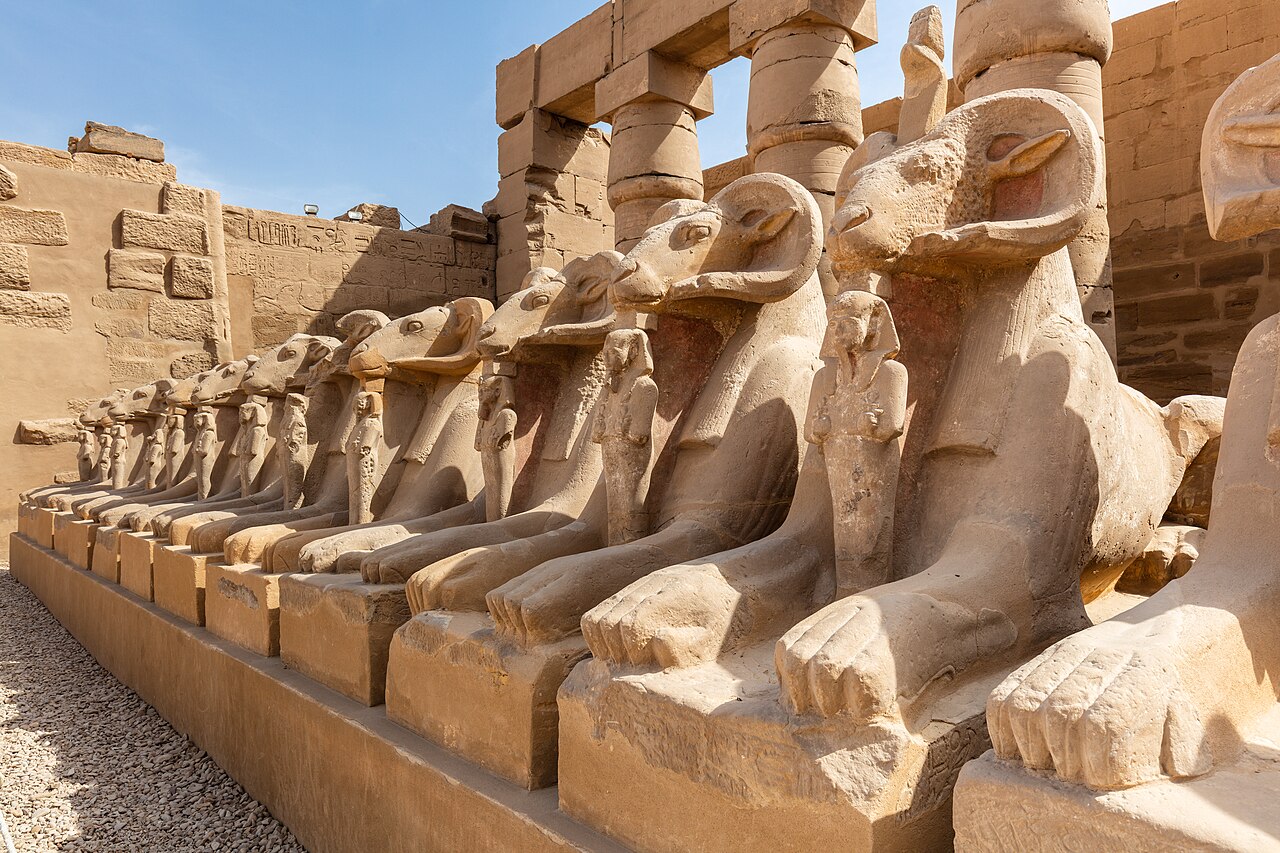
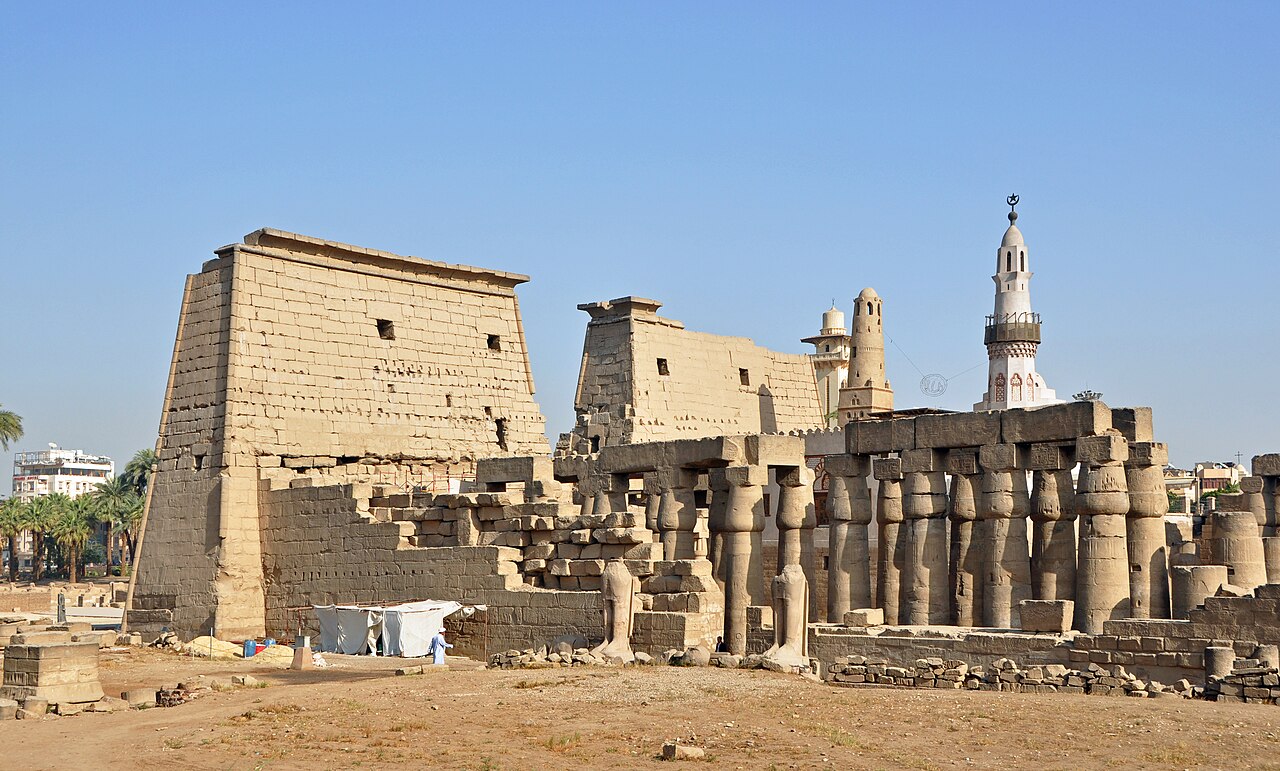
Combine the cruise with a few nights in Luxor beforehand to see Karnak and the West Bank, and a day in Aswan at the end for Philae and Abu Simbel. Compared with a large cruise ship, you give up some entertainment and gain peace, which is the whole point.
Because dahabiyas have so few cabins, small differences matter: ask about the size and position of your cabin, whether it has a window or balcony, how many crew look after the guests and whether there is a swim stop. Many boats offer sunrise yoga, felucca excursions and bonfire evenings on sandbanks, which add to the sense of having the river to yourselves.
What to expect
The experience
A five-day sail between Luxor and Aswan on a small traditional boat, with excursions to temples and riverbank villages along the way.
Best time
October to April, when days are warm and evenings are cool on deck.
How long
Five days and four nights, with shore visits each day.
Tips
Book early, check what is included, bring a warm layer for evenings and be flexible about the order of stops.
Quick picks
- Best for
- Travellers who want a quiet, private feel on the Nile.
- Families
- Check minimum age rules before booking.
- Couples
- Candlelit dinners, river views and a slow pace.
- Pair with
- A few nights in Luxor first and Abu Simbel after.
- Time needed
- Five days.
Good questions
What is a dahabiya?+
A traditional Nile sailing boat with a small number of cabins, used for relaxed multi-day cruises.
How is it different from a big cruise ship?+
It carries far fewer guests, moves more slowly, stops at quieter places and offers a more personal service.
Which sites are visited?+
Routes commonly include Esna, Edfu and Kom Ombo, with village stops, but the order depends on the wind and the operator.
When is the best time to go?+
October to April, when the weather is warm by day and cool in the evening.
Is it suitable for children?+
Some boats welcome families, while others limit young children. Check the policy before booking.