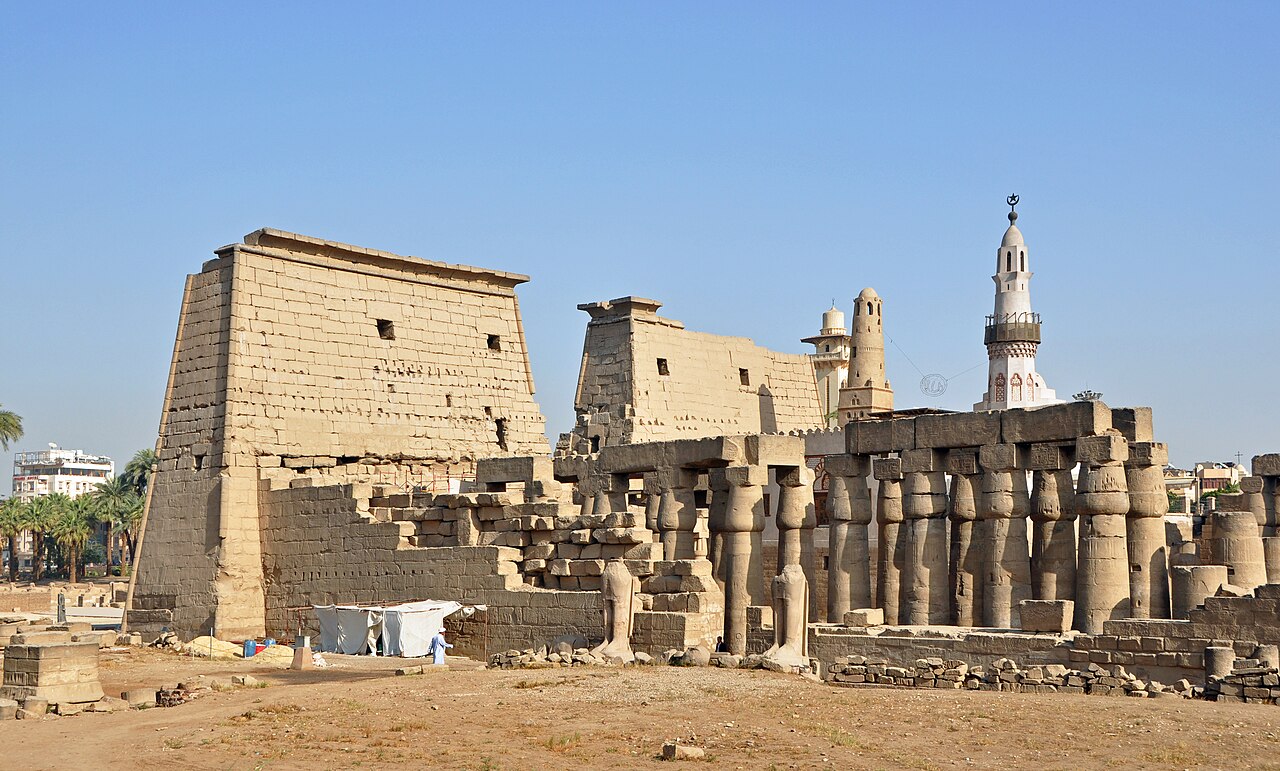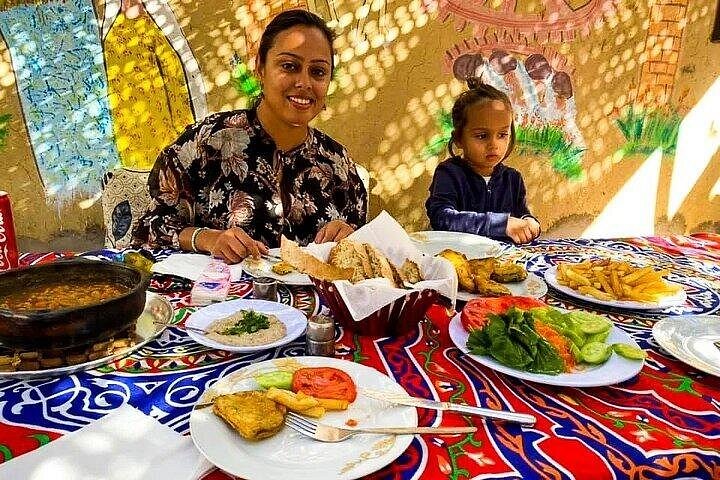
A cooking class with a Luxor family turns a meal into an introduction to local life. You are welcomed at a family home, usually on the outskirts of the city or in a village on the West Bank, and shown how everyday Egyptian dishes are prepared. The menu varies, but classic choices include stuffed vegetables, lentil soup, rice and vermicelli, salads, grilled meat or vegetable stews, and fresh flatbread baked in a clay oven. You chop, stir, roll and season with the family, learning about spices, herbs and the habits of the kitchen, and the hosts explain how recipes pass from mother to daughter. When the cooking is finished, everyone sits down together to eat, often on a rooftop or in a courtyard, with tea and sweets afterwards. The pace is relaxed, and conversation is a large part of the experience. It is a good way to spend a morning or an evening away from the temples, and it gives you recipes to take home, along with a better sense of how Egyptians cook, eat and welcome guests.
Why go
Food is one of the warmest ways into a culture, and a home class lets you taste the difference between restaurant dishes and what Egyptian families actually eat. You also see the daily rhythm of a household and hear how people live beyond the tourist sites. Many travellers say that the kitchen visit becomes the most personal moment of their trip. It is especially pleasing for visitors who like to cook, for couples who want a shared activity and for families who want to involve children.
Planning the visit
Tours usually include transport from your hotel, though some meet at a central point, so confirm the pickup details. Morning classes often include a market stop to buy vegetables and bread, and evening classes finish with dinner. Tell the host about dietary needs when you book, since vegetarian and many allergy-friendly options are easy to arrange in Egyptian cooking.
Wear comfortable clothes that can get messy, keep your shoulders and knees covered out of respect and bring a little cash for tips. Remove shoes if invited to, and accept tea when it is offered, because refusing can seem rude.
Making the most of it
Ask questions about ingredients, because the hosts are proud of local produce such as dates, hibiscus, sesame and fresh herbs. Take notes or photographs of the recipes, and ask for the quantities. Children often enjoy rolling dough or stuffing vegetables, and it is a good way to give them a hands-on cultural experience.
Couples can use it as a relaxed afternoon between sights. Pair the class with a morning at Karnak or on the West Bank, and keep the evening free for a late dinner or a sunset on the river. Be flexible about timing, as hospitality in Egypt tends to run at its own comfortable pace.
Because family kitchens vary, expect a different experience from one host to the next, with some classes more demonstration and others fully hands-on. Ask whether you will bake bread in a clay oven, whether the group is private and how many dishes you will make. A small gift for the hosts, such as sweets or fruit, is a kind gesture, though never expected.
What to expect
The experience
A hands-on class in a family home, preparing several dishes and bread, followed by a shared meal.
Best time
Morning with a market stop, or late afternoon through dinner.
How long
Three to four hours including the meal.
Tips
Share dietary needs in advance, wear clothes that can get messy, cover shoulders and knees and keep small notes for tips.
Quick picks
- Best for
- Food lovers and curious travellers who want to meet local people.
- Families
- Children can help with simple tasks like rolling and stuffing.
- Couples
- A warm, shared activity that ends in a relaxed meal.
- Pair with
- A morning at Karnak or the West Bank, then a sunset on the Nile.
- Time needed
- About half a day.
Good questions
What will I cook?+
Menus vary, but typical dishes include stuffed vegetables, soups, rice, salads and fresh bread, prepared with the host family.
Is it suitable for vegetarians?+
Usually yes. Many Egyptian dishes are vegetable-based, but tell the host in advance.
Do I eat what I cook?+
Yes. The class ends with a shared meal at the family home.
Is it good for children?+
Yes, children can take part in simple tasks and usually enjoy the bread and the warm atmosphere.
What should I wear?+
Comfortable, modest clothing that you do not mind getting flour or sauce on.