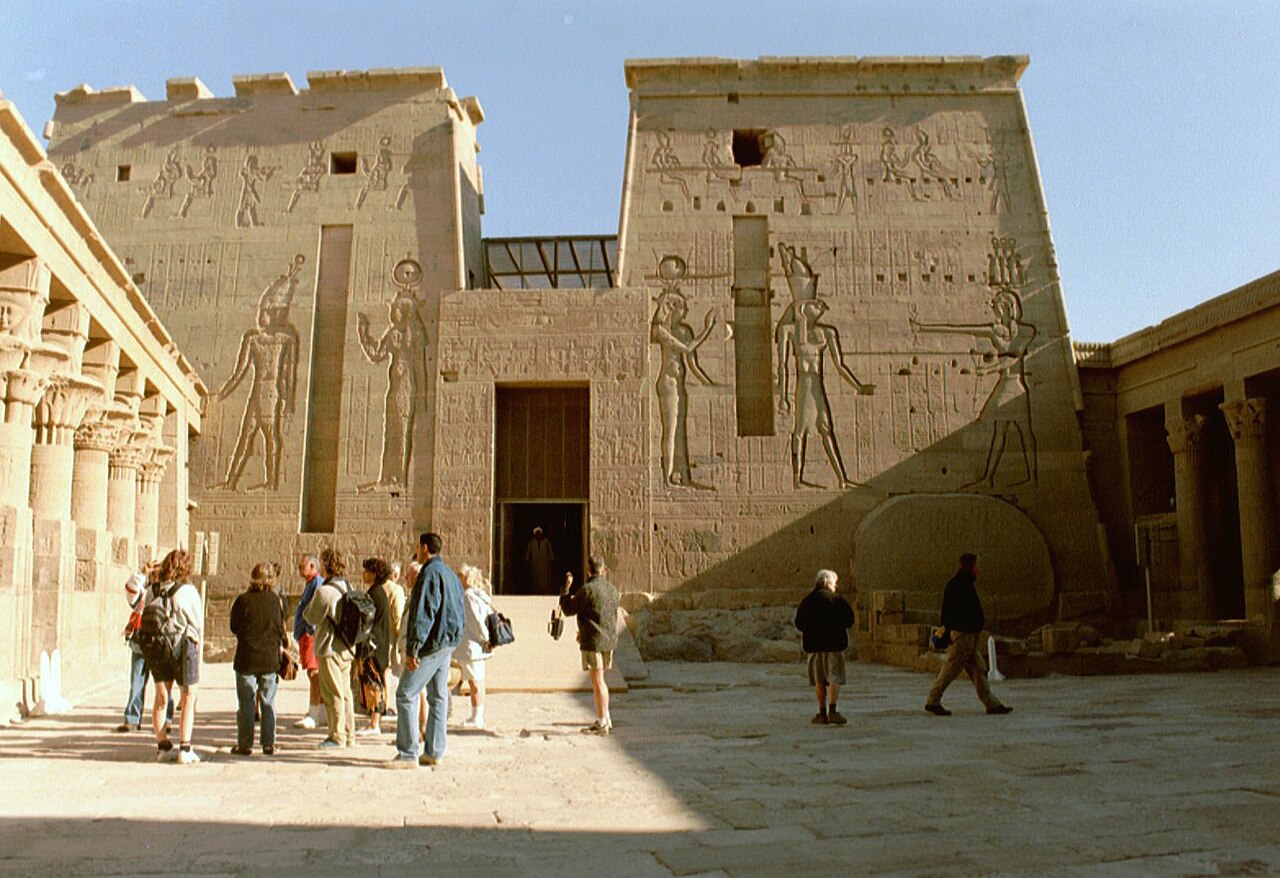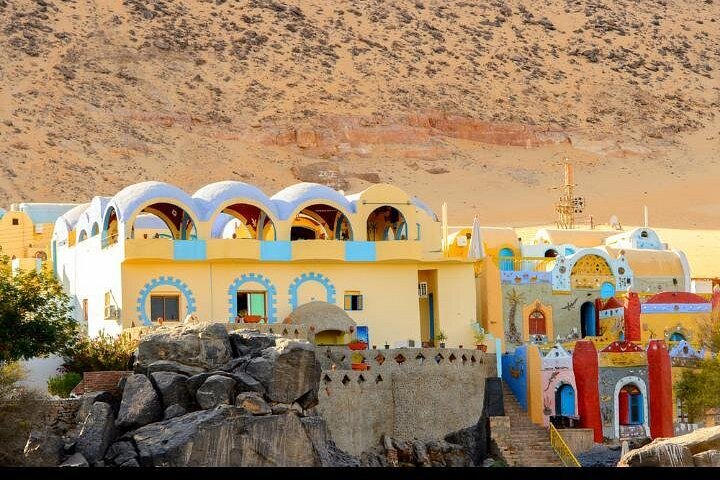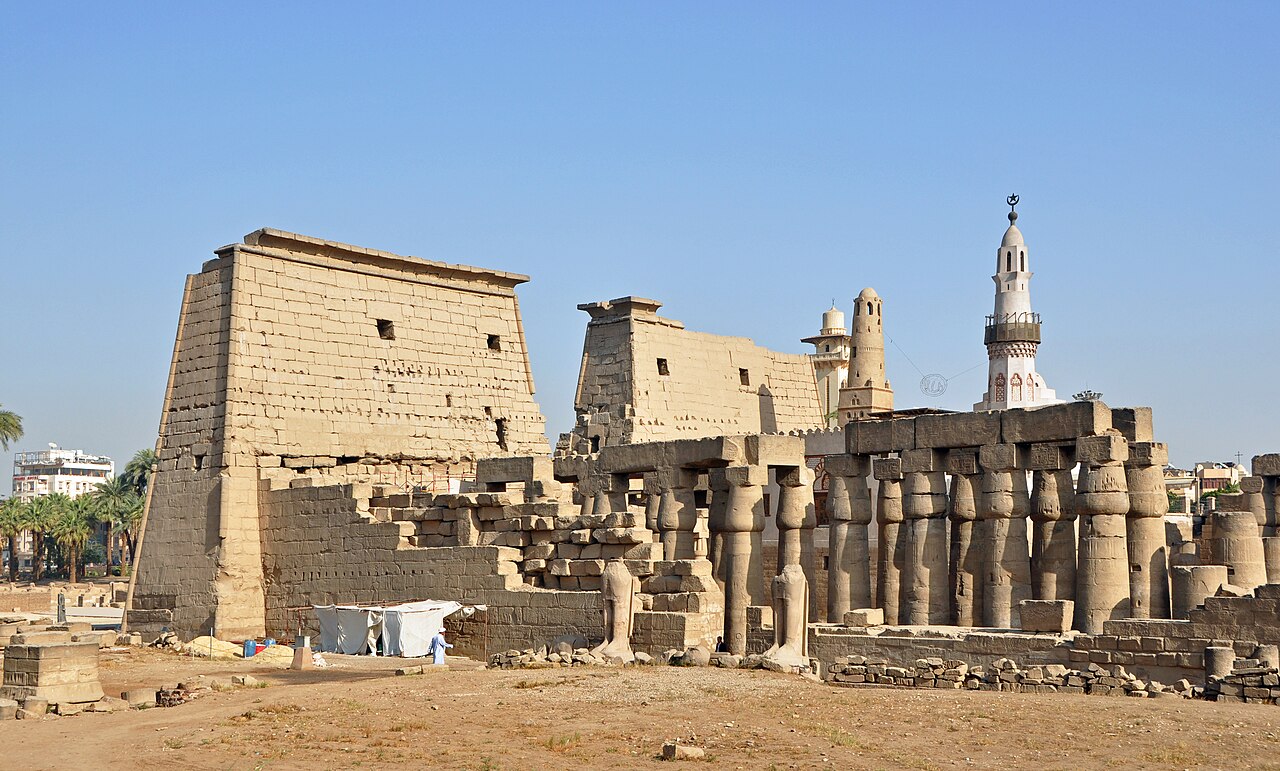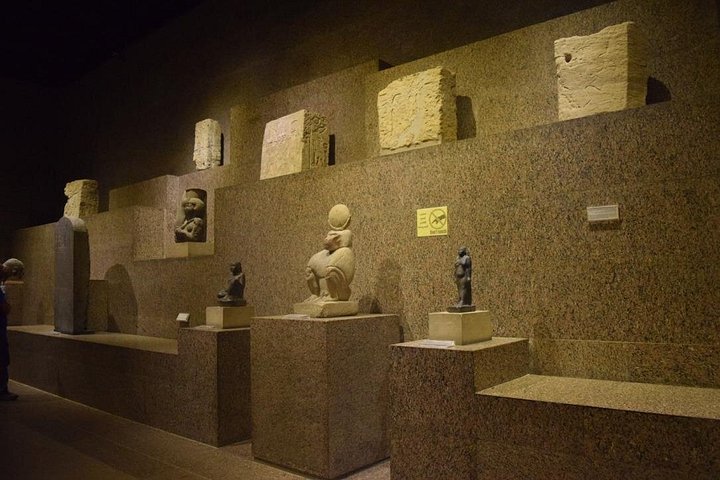
Kalabsha Temple and the Nubian Museum make a rewarding pairing for travellers who want to understand Nubia, the region of southern Egypt and northern Sudan whose people and monuments were affected by the High Dam. Kalabsha is a large temple dedicated to the Nubian sun god Mandulis, built in the Roman period on the site of earlier shrines. When the dam created Lake Nasser, the temple was threatened by the rising water and was moved block by block to a new site near the dam. You reach it by a short motorboat ride across the lake, which is a pleasant journey in itself, and walk through a pylon, a courtyard and rooms with reliefs of Roman emperors dressed as pharaohs offering to the gods. Nearby, smaller monuments such as the kiosk of Qertassi and the rock temple of Beit el-Wali have also been moved here. Back in Aswan, the Nubian Museum displays objects, models and photographs that trace the history of the region from prehistory to the present, set in a garden with a replica Nubian house. The day gives a thoughtful, human counterpart to the big temple sights.
Why go
The story of Nubia is one of the most moving chapters of Egypt's recent past, and these two sites tell it well. At Kalabsha you see how international teams rescued monuments before the lake rose, and at the museum you learn about the villages, songs and crafts of the people who had to move. The setting on the lake is peaceful, with few crowds, and the boat ride adds a sense of adventure. It suits travellers who have already seen Philae and want to go deeper.
Planning the visit
The temple is reached from the High Dam area by a short boat ride, so tours usually combine the transfer, the crossing and a guide. Time at the temple is about an hour, and the museum visit takes one to two hours, so a full-day tour gives space for lunch and rest in between.
The museum is air-conditioned in parts, which is welcome in hot months. Weather and lake conditions affect crossings, so keep your schedule flexible. Bring a hat, water and comfortable shoes for the uneven stone at Kalabsha. Entry charges for state-run sites are set in Egyptian pounds and change, so ask what your tour covers.
Making the most of it
Read the museum labels in order, since they are arranged chronologically, and look for the displays on Nubian houses and the villages that were flooded. At Kalabsha, climb to the roof of the temple if allowed for a view over the lake. A knowledgeable guide can link the monuments to the story of the rescue and to Nubian traditions that continue in Aswan villages today.
Pair the day with a visit to the Nubian village by boat or a Nubian dinner for a fuller picture. The trip is best for older children and adults who enjoy culture, as it involves a fair amount of walking and explanation.
If you have time for only one Nubian site, the museum gives the broader story, while Kalabsha offers the scenery and the sense of rescue. Together they make a strong case for slowing down in Aswan. Bring a camera with a zoom for the lake birds, and a light jacket for breezes on the water, which can feel cool even on hot days.
What to expect
The experience
A boat crossing to the relocated temple and its neighbouring monuments, followed by a guided visit to the Nubian Museum in Aswan.
Best time
Morning for the lake crossing, with the museum in the heat of the afternoon.
How long
A full day with about an hour at Kalabsha and one to two hours at the museum.
Tips
Wear a hat and comfortable shoes, take water and keep your schedule flexible in case of wind on the lake.
Quick picks
- Best for
- Travellers who want the story of Nubia and the High Dam.
- Families
- Older children who like boats and museums.
- Couples
- A quiet lake setting and thoughtful culture rather than crowds.
- Pair with
- A Nubian village visit or Nubian dinner.
- Time needed
- A full day.
Good questions
What is Kalabsha Temple?+
A large Roman-era temple to the Nubian god Mandulis, moved block by block to a new site on Lake Nasser when the High Dam was built.
How do I reach it?+
By a short motorboat crossing from near the High Dam, which most tours include.
What is in the Nubian Museum?+
Objects, models and displays tracing Nubian history from prehistory to the present, with a garden and a replica Nubian house.
Is it suitable for children?+
Older children who enjoy museums and boat rides will like it, but it is a long day.
How long does it take?+
A full day, including the crossing, the temple visit and the museum.