Luxor and Aswan hold the greatest concentration of ancient monuments in Egypt, and with a little planning they are easy to enjoy. The two cities are about two hundred kilometres apart on the Nile, and most first-timers visit both. Here is how to organise the trip.
How many days
Three full days in Luxor and two in Aswan is the sweet spot, plus travel time between them. With only four days, give three to Luxor and one to Aswan, and use a Nile cruise or a train to link them. A short cruise between the two cities, covering Kom Ombo and Edfu, turns the transfer into part of the trip.
Luxor: east bank and west bank
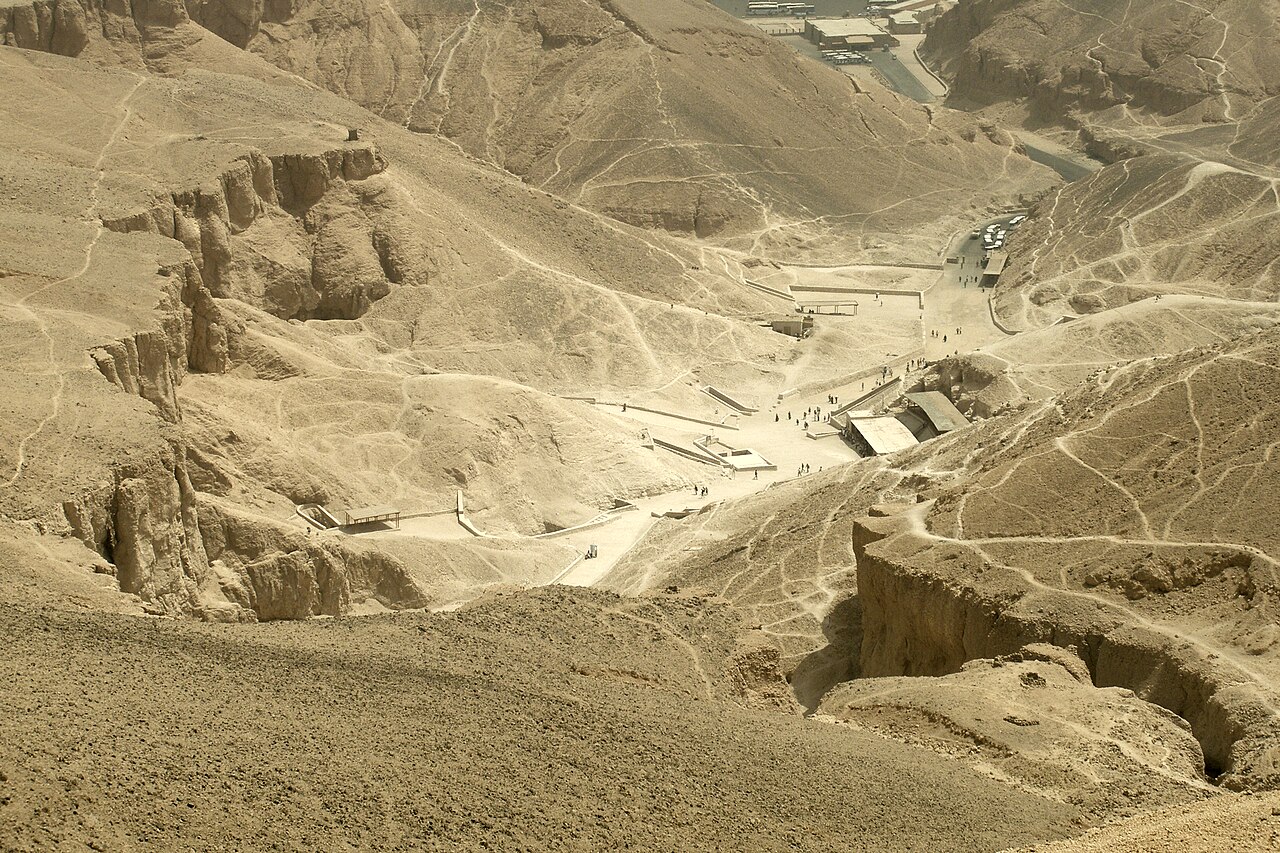
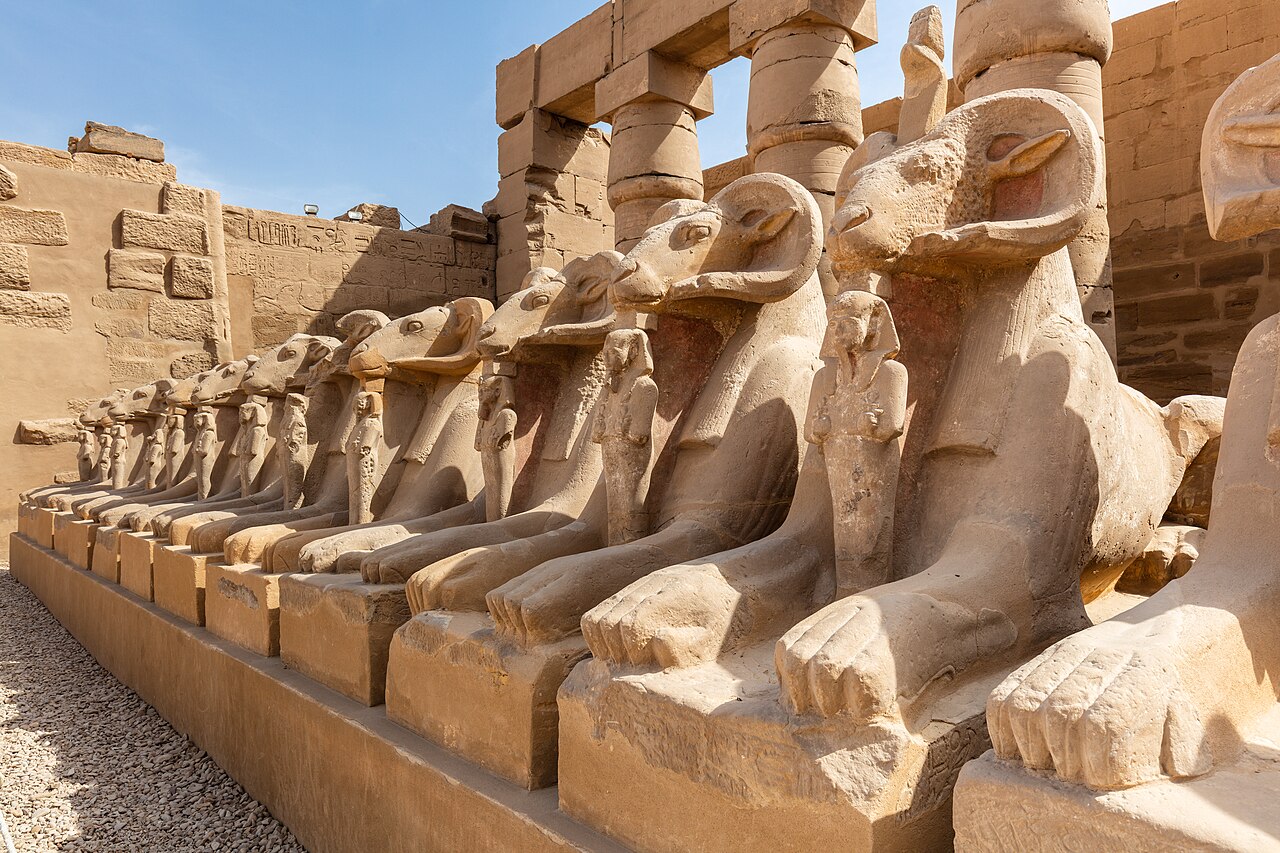
Plan one day for each side of the river. On the East Bank, see Karnak Temple in the morning and Luxor Temple at dusk, when it is floodlit. On the West Bank, start early at the Valley of the Kings, then see Hatshepsut's temple and the Colossi of Memnon before the heat peaks. A sunrise balloon flight over the West Bank is the signature extra; book it for your first or second morning so you have a spare day if winds cancel it.
Aswan: the river and the south
Aswan is gentler than Luxor. Spend one day on Philae, the High Dam and the Unfinished Obelisk, and another on the river: a felucca sail at sunset and a visit to a Nubian village. If you have time, Abu Simbel is a long but unforgettable day trip that leaves in the small hours and returns in the afternoon.
What to book ahead
Book the balloon, the Abu Simbel trip and any Nile cruise ahead of time, especially from November to March. For the temples, guided tours save time at the gate and add context, and Tiqets and Viator both list options. Entry tickets at the state-run sites are priced in Egyptian pounds with a higher rate for foreign visitors, so carry some cash and check whether a tour includes entry fees.
Beating the heat
Start early, around opening time, rest in the middle of the day and go out again late in the afternoon. The best season is October to April, with warm days and cool nights; summer is extremely hot. Bring a hat, sunscreen, water and comfortable shoes with grip, and dress modestly at religious sites.
Getting around
In Luxor, taxis, calèches and ferries are cheap, and many hotels can arrange drivers for the West Bank. Between Luxor and Aswan you can take a cruise, a train or a private car. Agree taxi fares before you set off, and expect some persistent offers from touts at major sites, which a polite refusal usually settles.
Safety and advisories
Luxor and Aswan are popular and well-patrolled tourist areas, and the main advisories concern other parts of Egypt, such as North Sinai and the Western Desert. Governments update their advice regularly, and the UK Foreign Office reviewed its guidance on 27 October 2026, so check the current advice from your own government before booking, along with your travel insurance. For Abu Simbel, some advisories recommend organised transport.
Our suggested plan
Day one, Karnak and Luxor Temple. Day two, balloon at sunrise, then Valley of the Kings and Hatshepsut. Day three, rest, Luxor Museum or a felucca. Then a cruise or transfer to Aswan, with Philae, a felucca sunset and the Nubian village, and Abu Simbel if you can spare the day. Mix early starts with long lunches and you will see the highlights without exhaustion.