Málaga is the birthplace of Pablo Picasso, and in the last two decades it has turned itself into one of the great museum cities of southern Europe. Within a short walk of each other you can see a major Picasso collection, a branch of the Centre Pompidou, a museum of nineteenth-century Spanish painting and the house where the artist was born. For a traveller who loves art, that concentration is the real reason to come. This guide explains how the museums fit together, how to order them across a few days and how to avoid the practical traps that spoil a museum day.
Start with Picasso
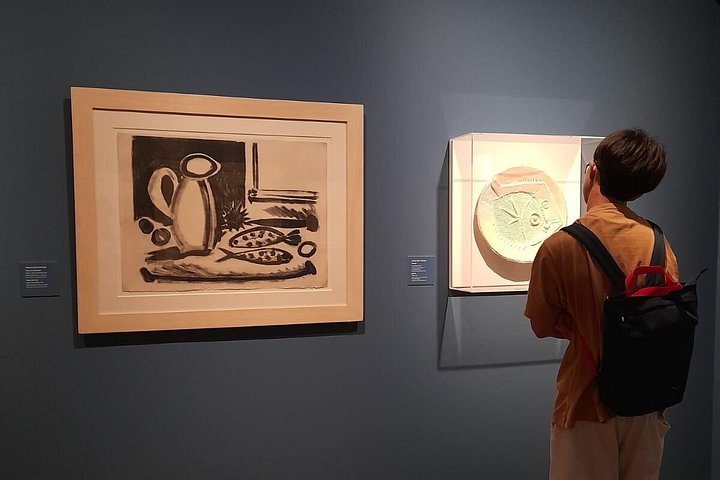
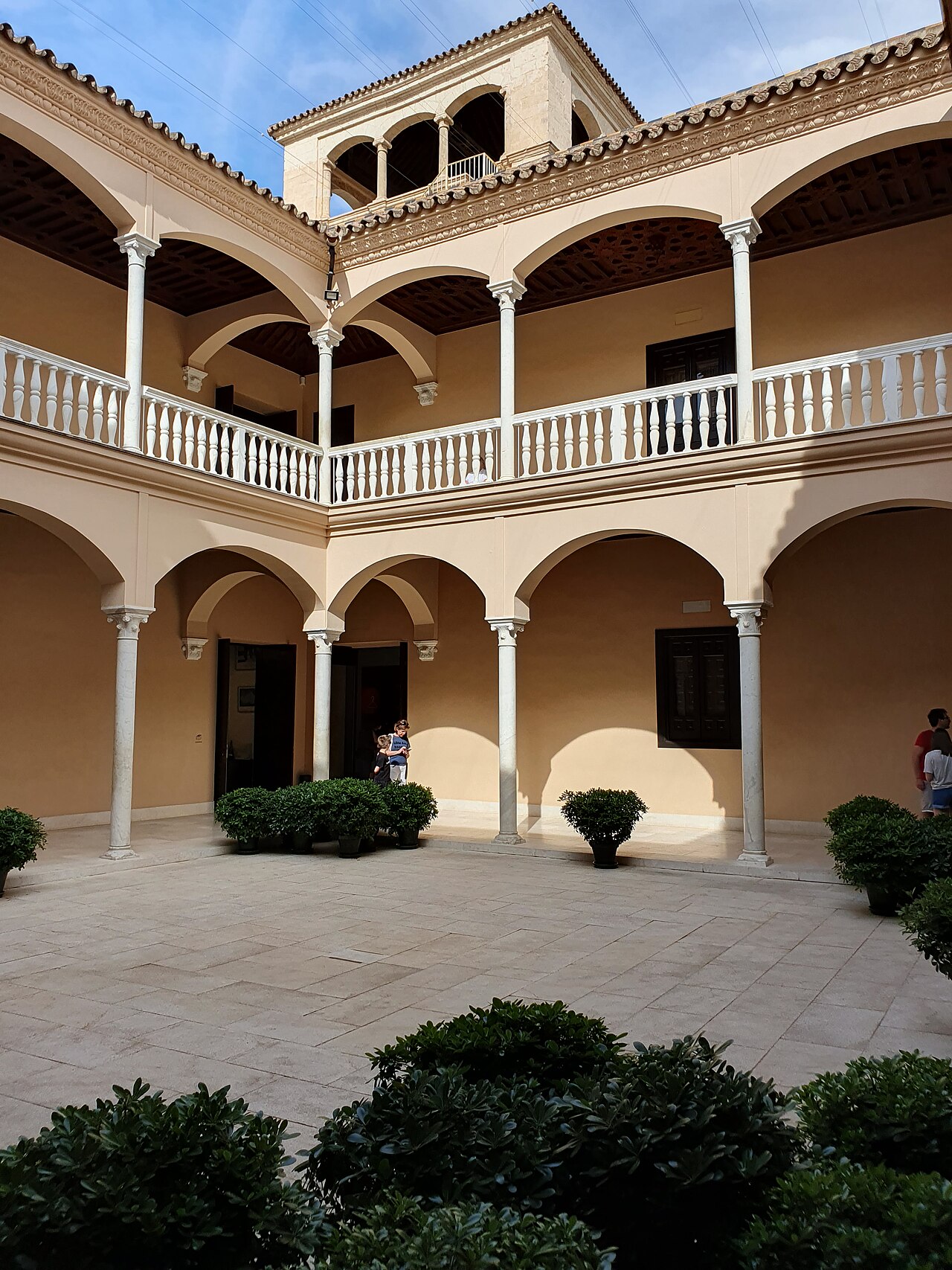
The Museo Picasso Málaga occupies the Buenavista Palace, a sixteenth-century building in the old town, and its collection follows the artist from his early academic work through the cubist years to late paintings, ceramics and drawings. The galleries are arranged so that you see how his style changed over a long career, and the palace itself, with its Renaissance patio and the Roman and Phoenician remains in the basement, is part of the visit. Go early in the day, because the rooms are quieter before the tour groups arrive, and book a timed ticket ahead in busy seasons. Allow about an hour and a half, more if the temporary exhibition interests you.
Then walk to the birthplace
Picasso was born in 1881 in a house on the Plaza de la Merced, a lively square a few minutes’ walk from the museum. The Picasso Birthplace Museum shows the rooms where the family lived, along with family objects, early drawings and documents, and it gives a more personal view than the main museum. A statue of the artist sits on a bench in the square outside, and the cafés around the edges are good places to rest. The visit takes under an hour, so it pairs easily with the main museum on the same morning.
The glass cube at the port
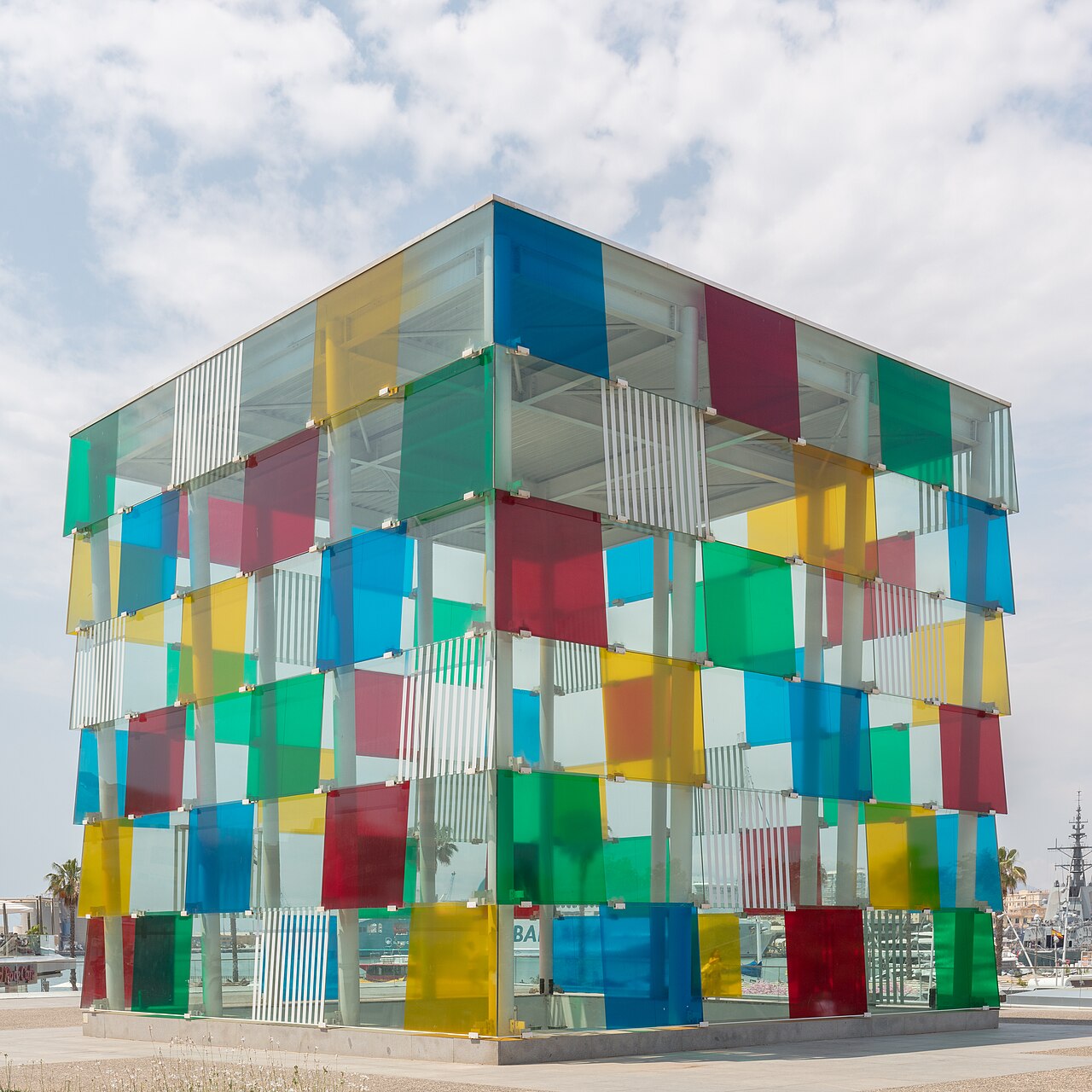
The Centre Pompidou Málaga sits on the Muelle Uno waterfront, under a colourful glass cube that has become one of the symbols of the new Málaga. It is a branch of the famous Paris museum, and its permanent collection brings together twentieth-century works by artists such as Frida Kahlo, Francis Bacon and René Magritte, with temporary exhibitions that change through the year. The setting is part of the pleasure, since you can combine the museum with a walk along the quay, a coffee or an early evening on the water. The museum is generally closed on Tuesdays, so plan your week around that.
Nineteenth-century Spain at the Carmen Thyssen
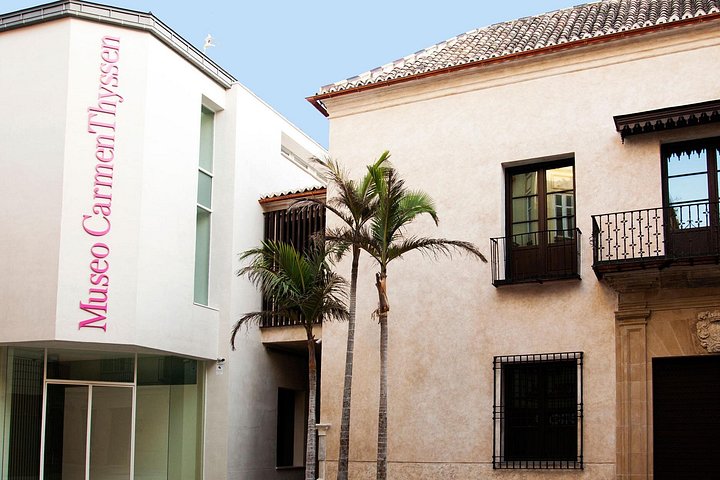
The Carmen Thyssen Museum fills a sixteenth-century palace in the old town and holds a collection of Spanish painting from the nineteenth century, with an emphasis on Andalusian landscapes, romantic scenes, bullfighters and dancers. It is a very different experience from the modern museums, closer to a portrait of southern Spain as artists saw it a century and a half ago, and it is a good complement for visitors who plan to see the Alhambra, Ronda or the white villages. Rooms are intimate and the visit is easy to fit into a gap between meals.
A simple three-day plan
On the first morning, visit the Picasso Museum and the birthplace, then have a long lunch in the old town. On the second day, go to the Carmen Thyssen in the morning and walk down to the port for the Centre Pompidou in the afternoon, finishing with a drink on the waterfront. On the third day, step away from museums with a trip to a gorge, a village or a beach, and come back in the evening for a flamenco show. If you have only a day, choose the Picasso Museum and the Pompidou, which are the strongest pair and make a pleasing contrast between classical Picasso and modern art.
Look beyond the big names
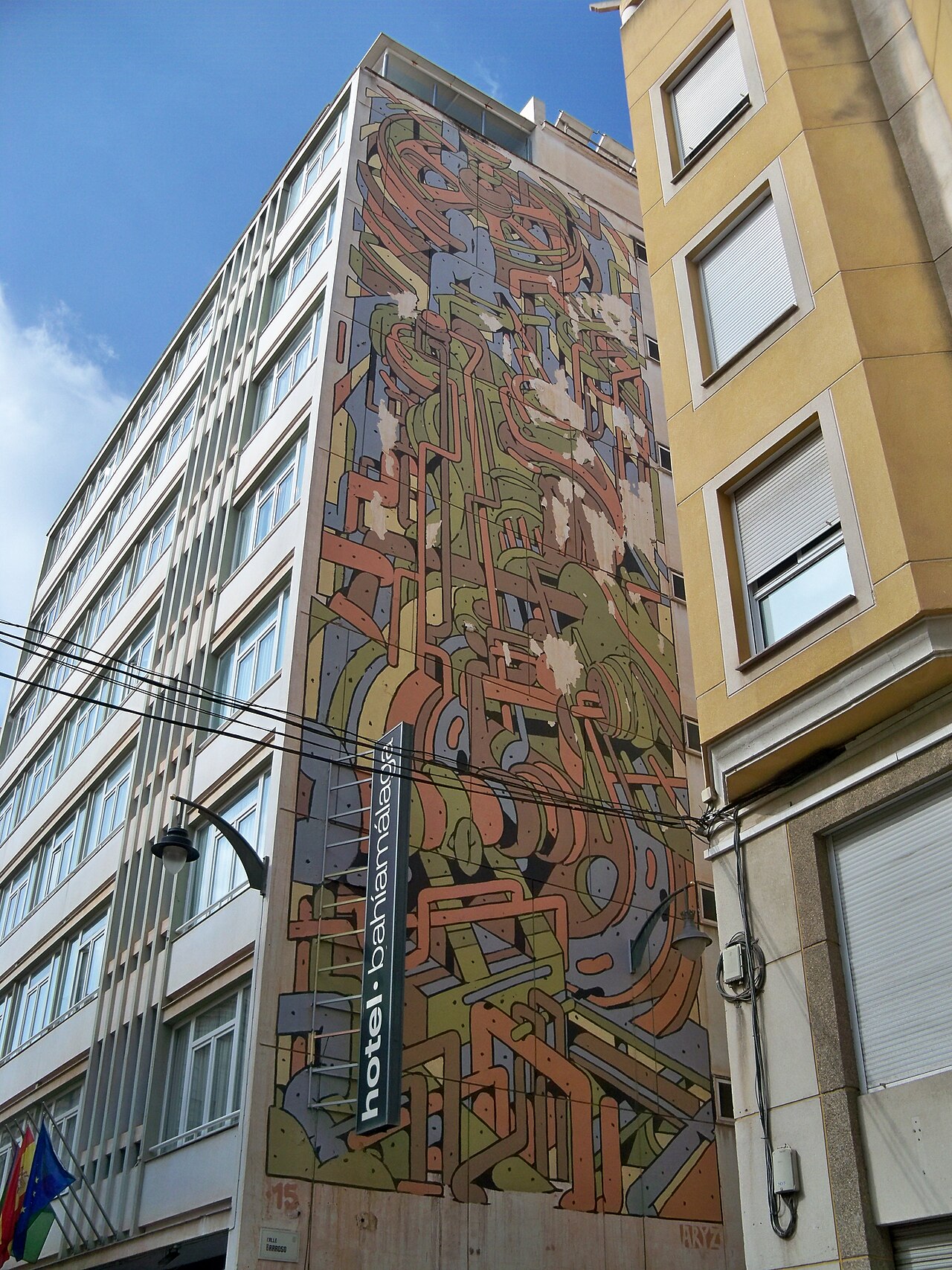
The Soho district, between the port and the river, has become Málaga’s open-air gallery, with large murals on the walls of ordinary buildings. You can walk it for free, and the street art gives a sense of the city’s young, creative side. Small galleries and shops in the old town sell prints and ceramics that make good souvenirs. The Alcazaba and the Roman Theatre are also part of the story, since they show the layers of history that the city’s artists grew up among.
Practical tips
Museums in Spain often close on Mondays or Tuesdays and keep shorter hours in winter, so check the day and time before you set out. Book timed tickets for the Picasso Museum and the Pompidou in busy periods such as Easter and summer. Many collections allow photography without flash, but not everywhere, so look for signs. Wear comfortable shoes, because even a short museum day involves walking on stone floors and cobbled streets. In summer, plan museum visits for the hottest part of the afternoon and keep the cooler mornings and evenings for the outdoors.
Combine art with food and rest
The best museum days in Málaga are paced with long breaks. A coffee in the Plaza de la Merced, tapas in a nearby bar and a rest in the shade of the cathedral gardens make the day pleasant rather than tiring. Hotels in the old town put you within walking distance of every museum mentioned here, which means you can return to your room for a rest in the middle of the day. Choose a base near the cathedral or the Alameda and you will rarely need transport.