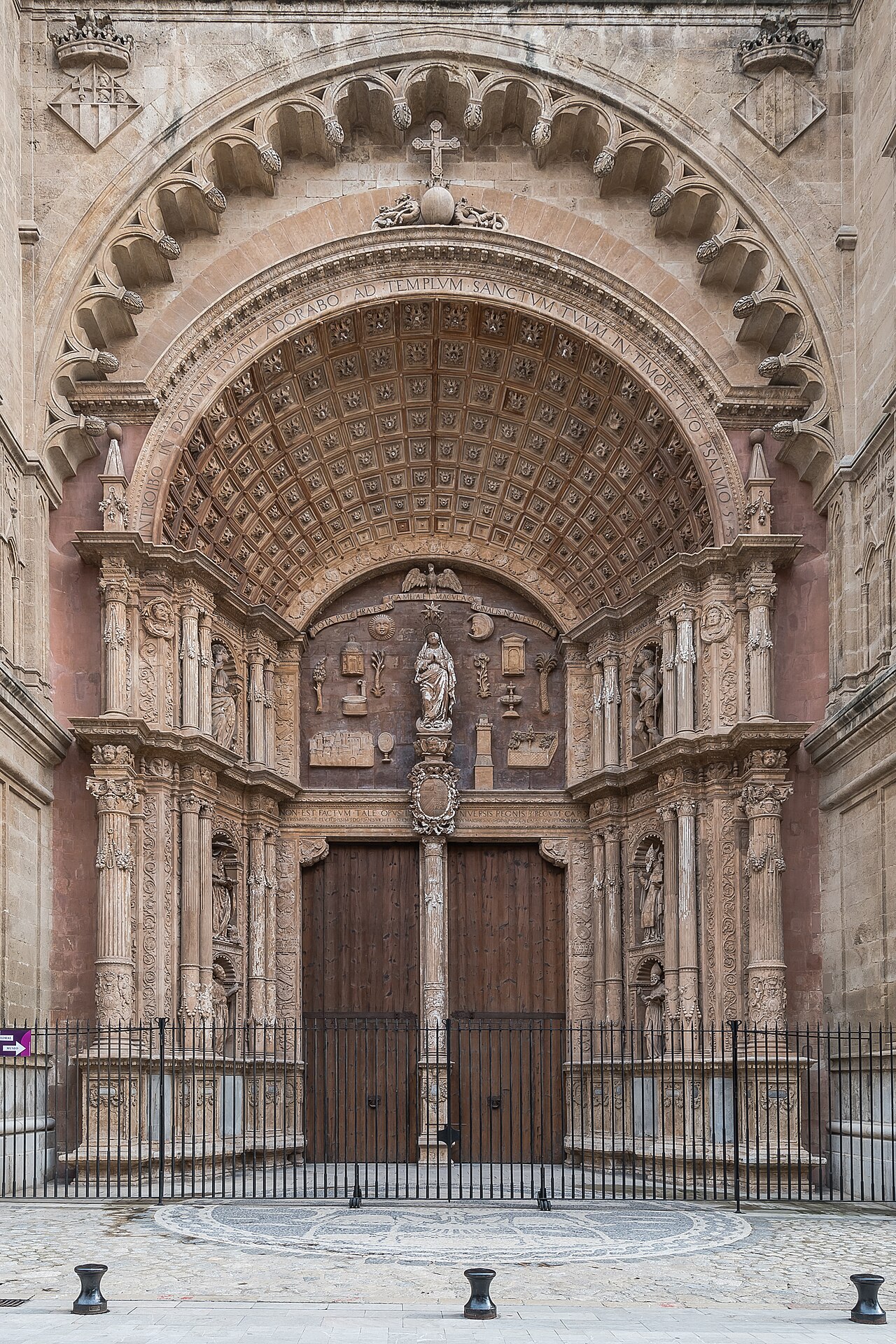
Mallorca can be visited all year, but the island's character changes with the seasons. Summer is hot, bright and busy, spring and autumn are gentle and balanced, and winter is mild, quiet and surprisingly beautiful. The best time depends on what you want to do. This guide walks through the year and matches the months to the kinds of trips described elsewhere on this site.
Spring, from March to May
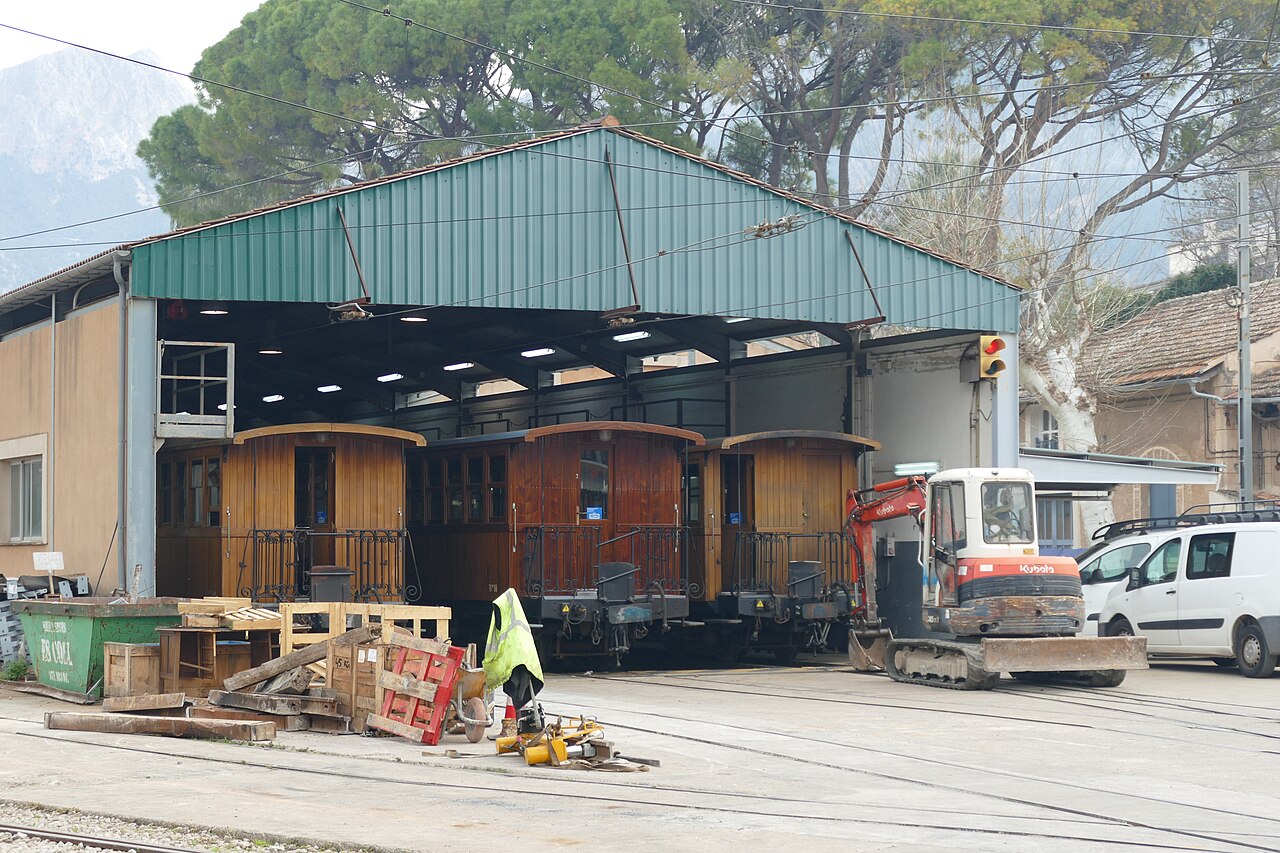
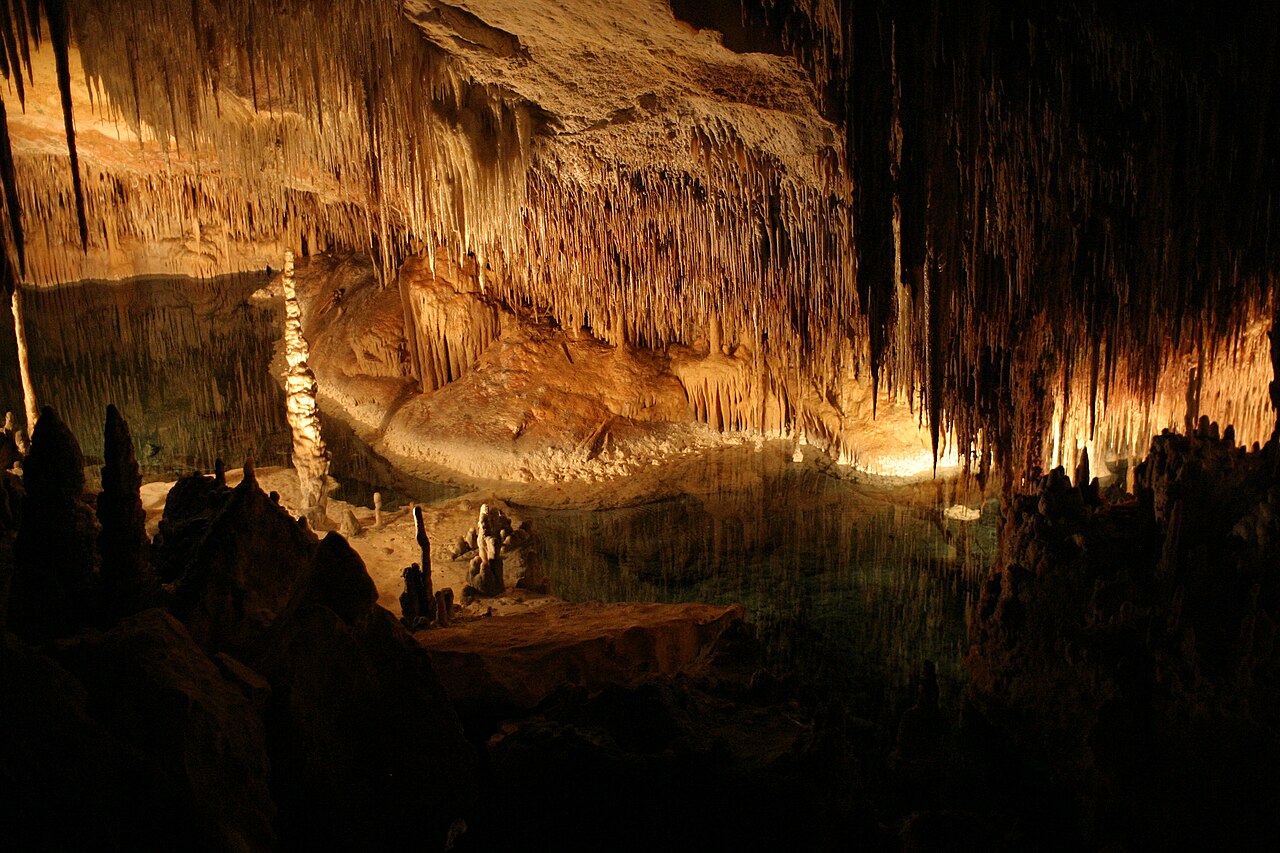
Spring is many people's favourite time. Daytime temperatures climb from mild to warm, the hills are green, the wild flowers are out and the sea is still cold, so it suits walking, cycling and sightseeing more than swimming. Easter week is busy in Palma, with solemn processions through the old town, so book hotels early. By May the beaches begin to fill, the boat trips are in full swing and the Sóller train, the Caves of Drach and the Palma Cathedral run full timetables. It is an ideal time for the Tramuntana mountains, including Valldemossa, the Alfabia gardens and the Torrent de Pareis.
Early summer, June
June is excellent. The days are long and hot but not yet fierce, the sea warms quickly, and the island has not reached its peak crowds. Boat trips to places such as Cabrera begin to run frequently, and beach clubs and restaurants are all open. This is a very good month for a mixed trip of city and coast.
High summer, July and August
These are the hottest and busiest months, with daytime temperatures often well into the thirties and warm sea water that is perfect for swimming. Beaches, roads and the main sights are crowded, and the best hotels sell out well ahead. The advantages are certainty of sunshine, late evenings and the full range of boat trips, water parks and beach activities. If you travel now, visit the cathedral and the mountain villages early in the morning, spend the middle of the day by the sea or in the pool, and eat late. Book tickets, restaurants and hotels well in advance, especially for the Sóller train and the Caves of Drach.
Early autumn, September and October
September is perhaps the best month of the year for a beach and sightseeing holiday. The sea is at its warmest after the summer, the crowds thin out, prices ease and the light turns golden. October is more changeable, with warm days and the first autumn rain, and it is a good month for cycling, walking and food. The first storms can bring heavy showers, sometimes dramatic ones, but they usually pass quickly. Most boat trips and attractions operate normally through October, though some seasonal ones, such as water parks, wind down.
Late autumn, November
November is quiet. Many beach hotels and some restaurants close for the season, and boat trips and dolphin-watching run less often, but the cities and mountains remain open. The valleys are green, the orange groves around Sóller ripen and the cathedral and museums are calm. Bring a waterproof jacket and be flexible about excursions.
Winter, December to February
Winters are mild by northern European standards, with cool days, cold nights in the mountains and some rain. Snow occasionally dusts the highest peaks. Christmas lights and markets brighten Palma's streets, and Three Kings in early January is a major celebration for families. In mid-January the fires and parades of Sant Antoni and Sant Sebastià bring bonfire nights to the island. In late January and February the almond trees blossom, covering the countryside in white and pink, which is one of the loveliest sights of the year. Winter is a good time for the city, the Hammam, the museums and the mountains, and for travellers who want an inexpensive, peaceful break. Opening days are fewer, so check the closing days of sights such as the Caves of Hams, the Charterhouse and the Almudaina palace.
Matching the month to the trip
For swimming and beach days, choose June to September. For hiking, cycling and sightseeing, choose April to June or September to October. For a city break with culture, food and few tourists, choose November to March. For families with school holidays, summer is the main choice, but aim for early July or early September to avoid the peak crowds and prices. For couples, May, June and September are hard to beat. For the almond blossom, go in late January or February.
Practical tips for any season
The sun is strong even in spring and autumn, so use sunscreen. Mountain weather is cooler and wetter than Palma, so pack a layer for the Tramuntana. Check road and weather conditions before driving to Sa Calobra or other mountain destinations. Book popular attractions ahead in the high season, and in the low season confirm opening days and times. The sea is cold until early summer, so bring a wetsuit if you want to snorkel earlier in the year. Whatever the month, a flexible plan with indoor alternatives, such as the aquarium, the baths and the museums, will save a wet day.