Mallorca's food is simple, seasonal and rooted in the island's farms and fishing villages. It owes something to Catalonia, something to the wider Mediterranean and a surprising amount to the Moorish centuries, which left behind almonds, citrus and a taste for sweet pastries. You can eat very well here without ever booking a fine-dining table. This guide covers what to order, where to look and how to fit meals around the sights.
Start with breakfast
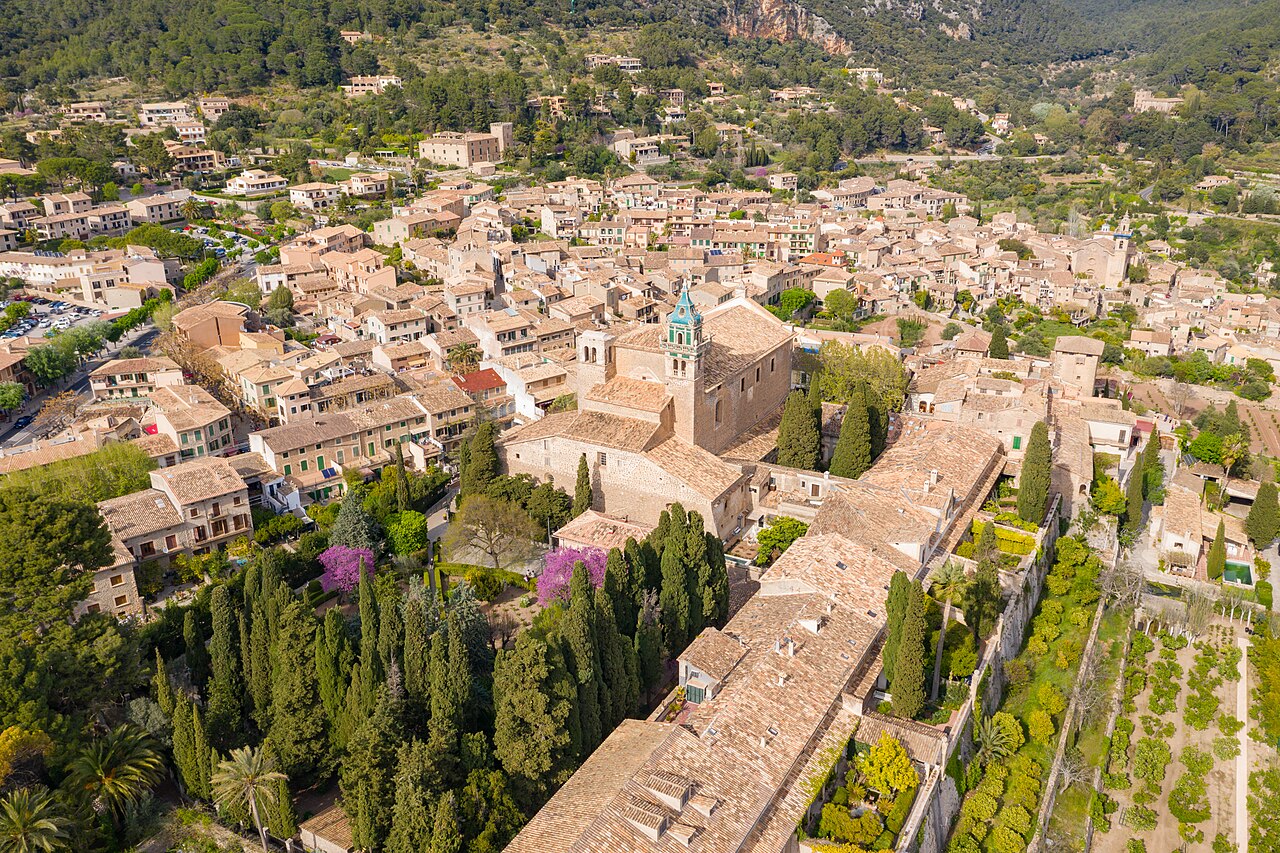
The island's signature pastry is the ensaïmada, a spiral of light, yeasty dough brushed with pork fat and dusted with icing sugar. Locals eat it with hot chocolate or coffee, especially on Sunday mornings, and you will see boxes of the larger ones carried home as gifts. Plain ones are the classic, while versions filled with pumpkin jam, cream or chocolate are common. In Valldemossa the other morning favourite is coca de patata, a soft, sweet potato bun dusted with sugar. Try both with a strong coffee.
Know the savoury classics
Sobrasada is a soft, spreadable, paprika-red cured sausage, eaten on bread or with honey. Pa amb oli is the island's simple supper of bread rubbed with tomato, drizzled with olive oil and topped with ham, cheese or sobrasada. Tumbet is a layered dish of fried aubergine, potato and pepper under tomato sauce, a favourite of vegetarians. Sopes mallorquines is a hearty soup poured over thin slices of brown bread and vegetables. Arròs brut, or dirty rice, is a rustic, brothy rice with meat, vegetables and spices, best in cooler months. Frit mallorquí is a fry-up of offal or lamb with potatoes, peppers and fennel, and it is more delicious than it sounds.
Eat the sea
Along the coast, look for the fresh fish of the day, often grilled whole, and for caldereta de peix, a fisherman's stew. The red prawns of Sóller are famous, and the harbour restaurants of Port de Sóller are the place to try them. Calamari, sea bream and sea bass appear on every menu, and in Colònia de Sant Jordi and Porto Cristo the harbourside fish restaurants make a natural lunch after a boat trip or the Caves of Drach.
Visit a market
Markets are the best way to understand the island's produce. In Palma, the Mercat de l'Olivar in the centre is a busy covered market with fish, meat, cheese and olives, with small stands where you can eat standing at the counter. The Santa Catalina market, a short walk west, has a more neighbourhood feel and a cluster of lively restaurants around it. Out of town, the weekly market at Sineu, held on Wednesdays, is one of the oldest on the island, and the Sóller market on Saturdays fills the square with produce and crafts. Markets are good places to buy olives, almonds, local cheese, dried figs and sobrasada to take home.
Drink the island
The Binissalem area in the centre of Mallorca is the heart of the island's wine country, known for red wines made from the local Manto Negro and Callet grapes, as well as fresh whites and rosés. Many wineries offer tours and tastings, and a half-day wine trip is easy to arrange from Palma. Hierbas, a sweet or dry herbal liqueur, is served after meals, and the local gin is made with the island's botanicals. Orange juice in Sóller, pressed from the valley's own fruit, is one of the simple pleasures of a day trip. Vermouth, served over ice with an olive and an orange slice, is the classic aperitif, and Palma's old town has several bars devoted to it.
Tapas, Mallorcan style
Palma has a lively tapas scene, especially in the lanes around La Llotja, the Plaça de la Drassana and Santa Catalina. Order several small plates to share, such as croquetas, fried peppers, grilled prawns, local cheese and cured ham, and move from bar to bar. Dinner starts late, with many restaurants opening their kitchens around eight and filling at nine, so book ahead for popular places, especially at the weekend.
Build meals around the sights
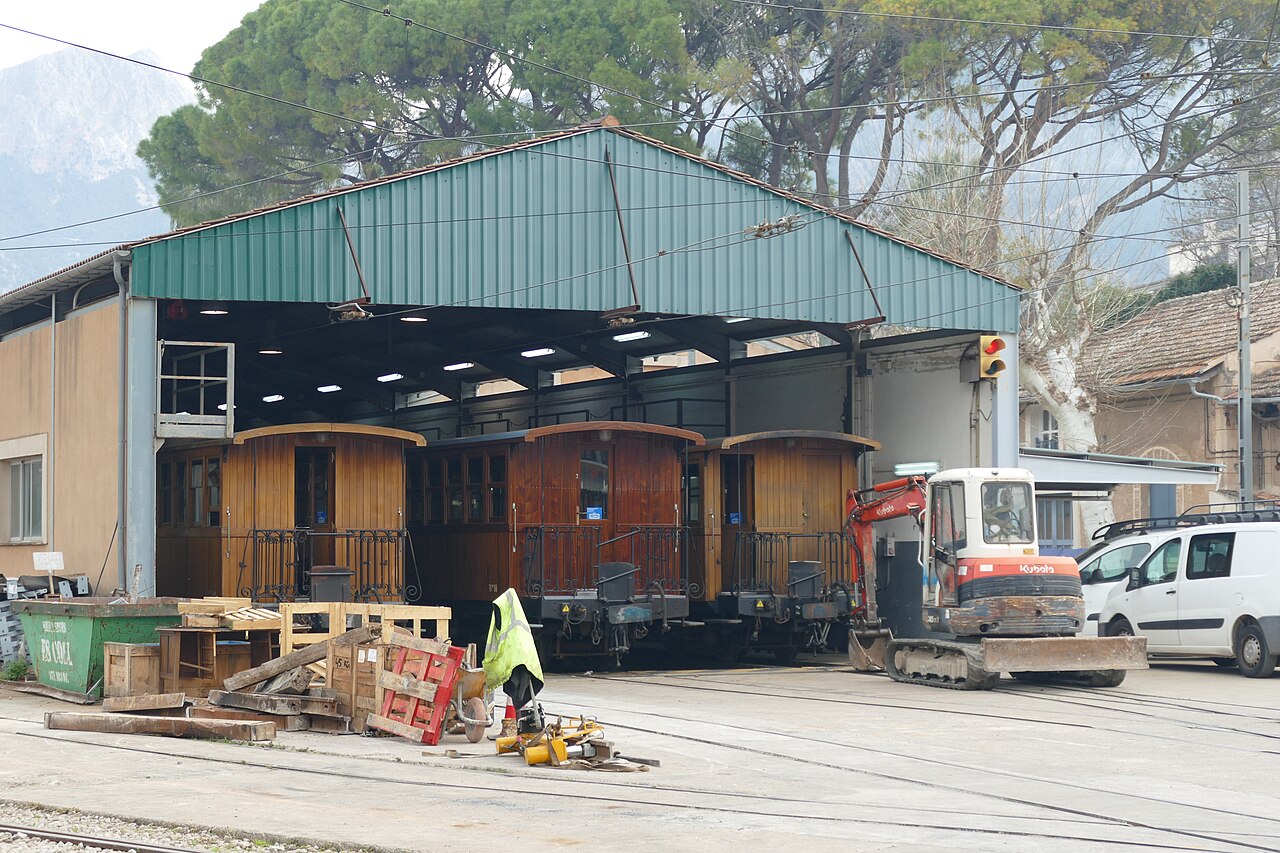
A morning at the cathedral and the Palau March fits naturally with a coffee and an ensaïmada nearby. After the Sóller train, lunch in the square or by the harbour at Port de Sóller is the natural plan. Valldemossa suits a mid-morning coca de patata, then a lunch in the lanes. On a Caves of Drach day, eat fish in Porto Cristo, and at Alfabia or Sa Calobra take a picnic or buy from a village bakery on the way. Lunch is typically served from about one-thirty to three, and many restaurants close between lunch and dinner, so plan your sightseeing to avoid arriving hungry at four.
Sweet things
Gató d'ametlla is an almond cake served with almond ice cream, a perfect end to a meal in spring when the almond trees blossom. Cocarrois are small savoury pastries filled with vegetables. Almond biscuits and nougat are everywhere at Christmas.
Practical tips
A menu of the day, or menú del día, is the best value at lunchtime on weekdays and usually includes a starter, a main and a dessert or coffee. Tipping is modest, with rounding up or leaving a few euros being usual. Tap water is safe but many people prefer bottled. Vegetarians do well with tumbet, grilled vegetables and pa amb oli, but ask about meat stock in soups and rice dishes. In summer, book dinner on the seafront early, and in winter check that your chosen restaurant is open on your day, since some close for a few weeks or on weekdays.