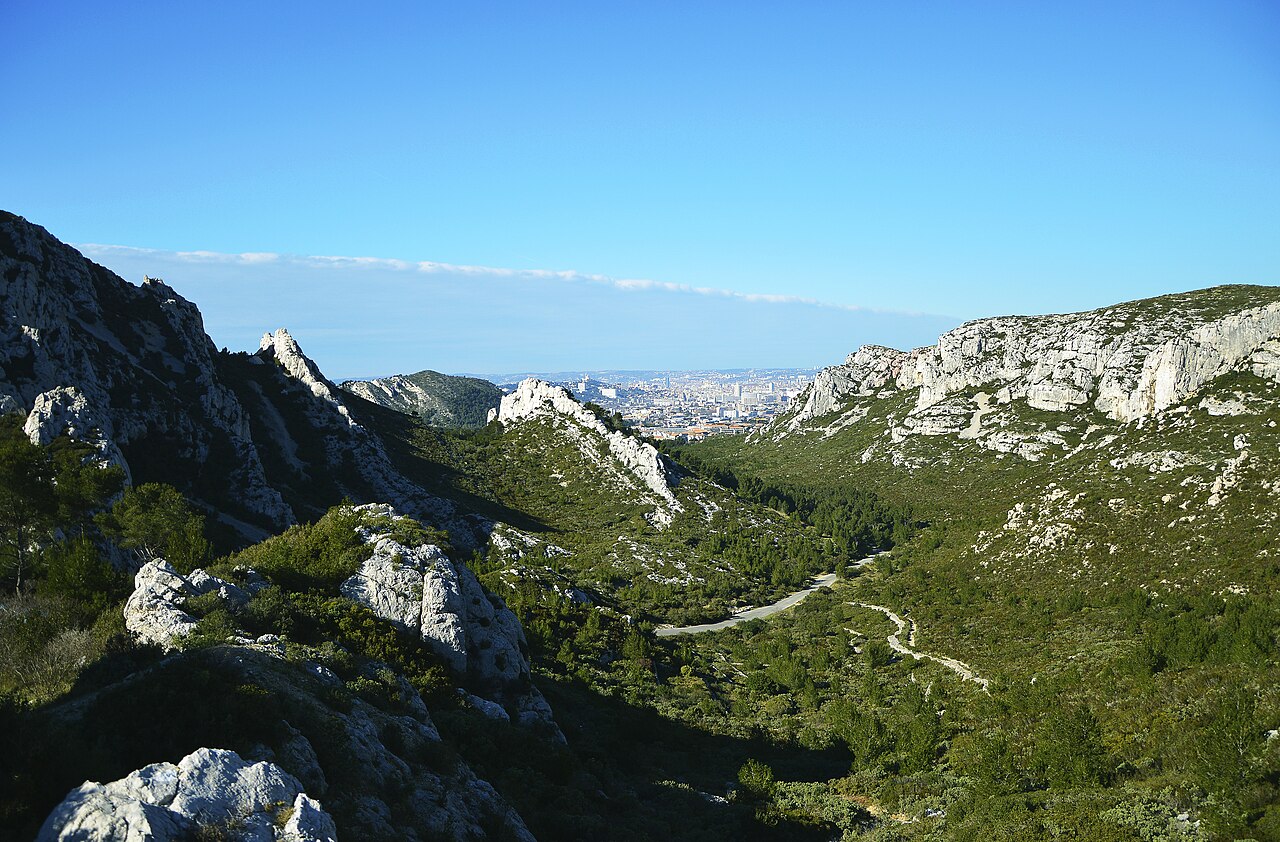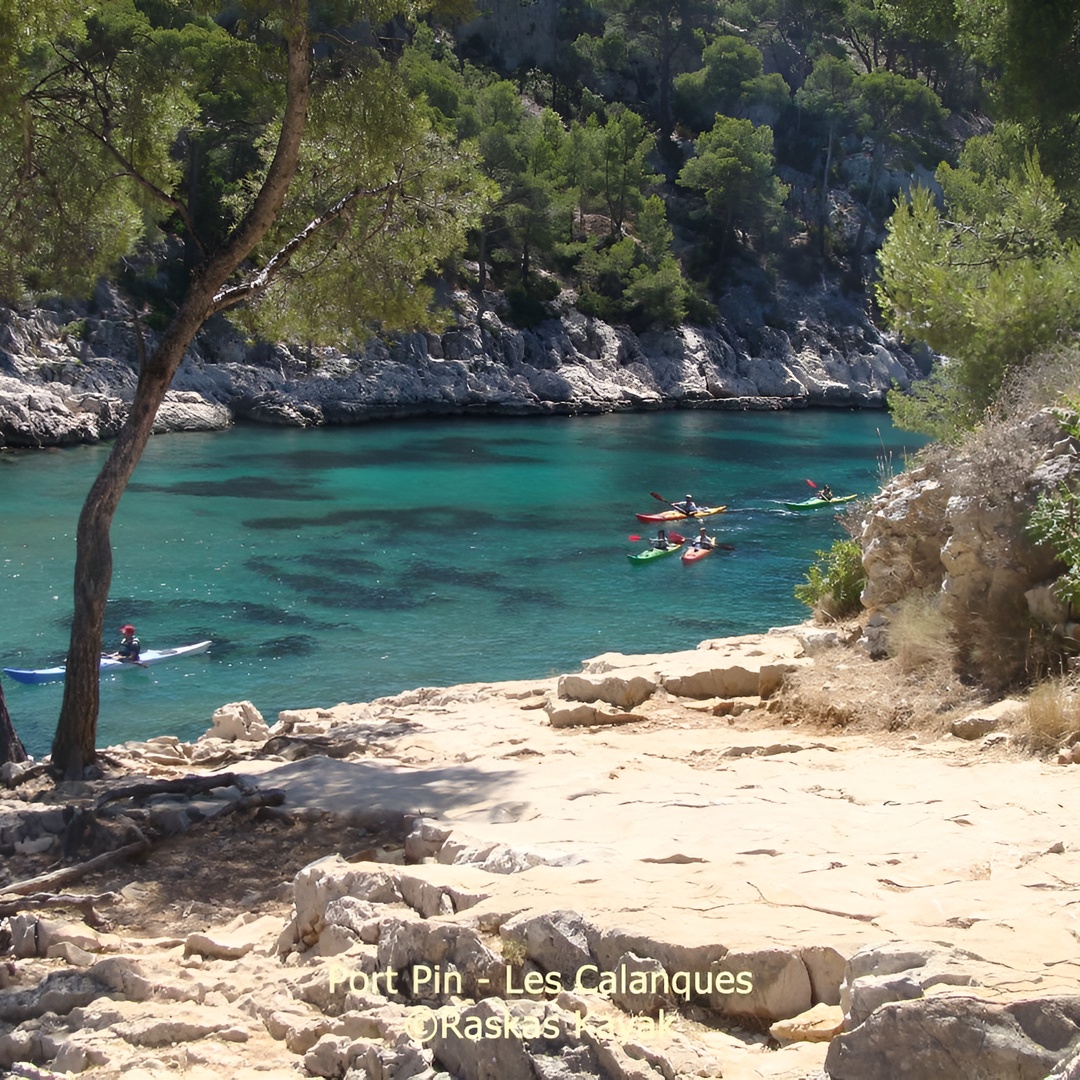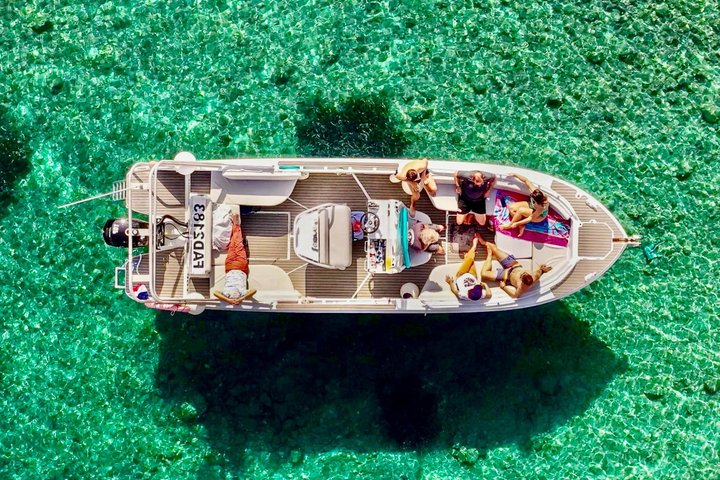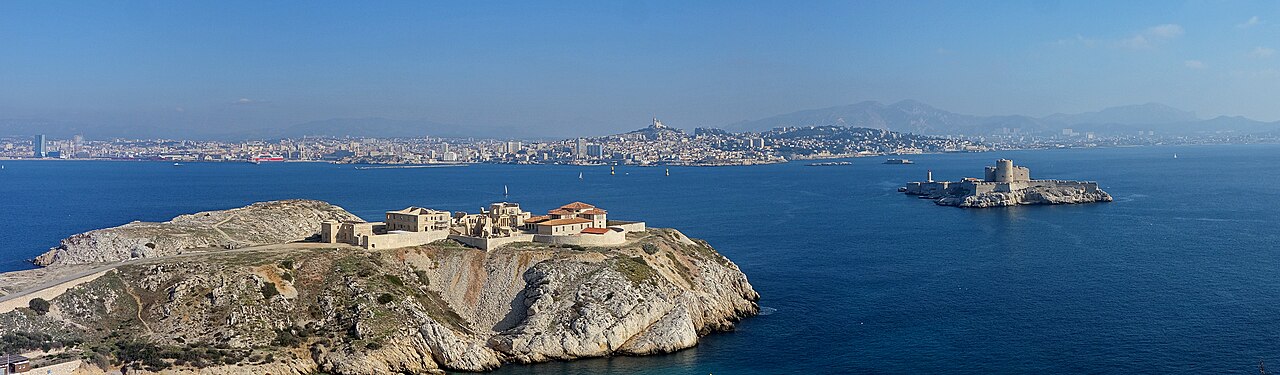
The Calanques are famous for their white cliffs, but the other half of the landscape is underwater. The national park protects a marine area as well as the land, and the limestone walls that drop into the sea carry on below the surface as ledges, caves and boulder fields, with meadows of seagrass in the sandy bays. A full-day snorkelling and guided dive trip from Marseille gives you a way to see that world without being an expert. You travel by boat from the coast to sites chosen by the guides for conditions on the day, and you spend the day swimming over rock and seagrass, with a supervised dive for those who take it. Marine life in the park includes shoals of sea bream, wrasse, damselfish and octopus, along with the occasional grouper if you are lucky, and the visibility in calm weather is excellent. The cliffs above make the surface time just as memorable, because you eat and rest in a cove that most people can only look at from the path. It suits confident swimmers, curious teenagers and adults who want a proper adventure rather than a boat ride, and it is a very different way of experiencing the Calanques than walking them.
How it works
The day is run by a local dive and snorkel operator from the Marseille coast. The meeting point, the boat, the lunch arrangements and the dive sites are set by the operator and the weather, so check each when you book. Equipment is normally provided for the activity, but confirm what is included and whether wetsuits are supplied, as the water is cold for much of the year.
’ + ’What to expect: snorkelling is open to confident swimmers, while the guided dive is an introductory experience led by a qualified instructor, and requirements such as medical questionnaires, age limits and prior experience are set by the operator, so read them carefully before booking. Expect briefings on safety and equipment, time in the water with a guide and rest breaks between sessions. Bring swimwear, a towel, sun cream, a hat and a waterproof bag for valuables.
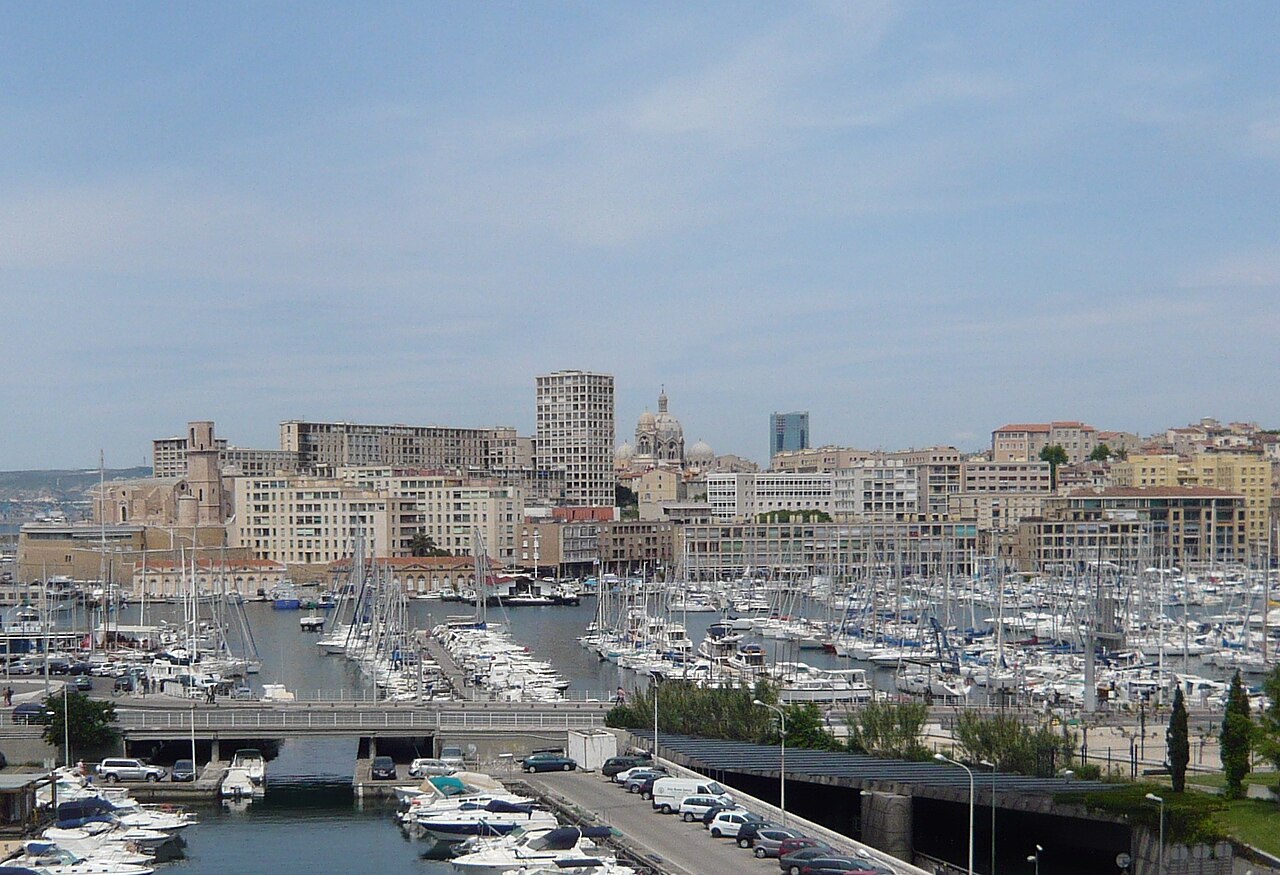
’ + ’Making the most of it: the water is warmest from July to September, though visibility is often best in spring and autumn, when there are fewer boats. Do not fly within the period recommended after diving, so plan the trip well before a flight home. The mistral can cancel sea activities, and the fire-risk rules that restrict walking in summer do not always apply to boat access, but conditions change, so check on the day. Pair the experience with a quiet evening in the Vallon des Auffes or the Vieux-Port.
’ + ’Planning notes: cold water is the main surprise for first-timers, even in July, so ask whether a wetsuit is provided and wear a swimsuit underneath. Contact lens wearers should bring spares, and anyone with ear, sinus or heart conditions should talk to their doctor before booking a dive. Take reef-safe sun cream, because the national park asks visitors to protect the marine environment, and never touch or collect anything from the seabed. The surface views of the cliffs from the boat are spectacular, so bring a waterproof phone case for photographs between sessions.
What to expect
The experience
A full-day guided outing from Marseille combining snorkelling and a supervised dive in the Calanques National Park.
Best time
Late spring to early autumn, with calm weather and warmer water.
How long
Full day (check when you book)
Tips
Confirm what equipment and lunch are included, check any medical or age requirements and avoid flying soon after a dive.
Quick picks
- Best for
- Confident swimmers and curious beginners who want to see the Calanques underwater.
- Families
- Check the minimum age; teenagers who swim well often enjoy it.
- Couples
- A shared adventure with a cove lunch below the cliffs.
- Pair with
- A relaxed dinner at the Vallon des Auffes.
- Time needed
- A full day.
Good questions
Do I need to be a certified diver?+
The dive is guided, and the operator sets the requirements, which may allow beginners with an introductory briefing. Read the conditions and any medical questions before you book.
What will I see underwater?+
Rocky walls, seagrass meadows and shoals of fish such as sea bream and wrasse, with octopus and other species possible. What you see depends on the site and conditions.
Is equipment provided?+
Equipment is normally supplied for the activity, but confirm what is included, including wetsuits and masks, when you book.
When is the best time of year?+
July to September has the warmest water, while spring and autumn often bring good visibility and fewer boats.
Can I fly after diving?+
Allow the recommended interval after diving before a flight, and ask the instructor for the current guidance.