The Calanques are the reason many people come to Marseille at all. This stretch of white limestone cliffs and turquoise inlets runs from the southern edge of the city to Cassis, and it is a national park, which means there are rules, seasons and a little planning involved. The good news is that there are several quite different ways to see it, and each suits a different traveller. This guide helps you choose.
Understand the park first
The Calanques are narrow, steep-sided inlets, a little like Norwegian fjords in miniature, cut into limestone by the sea. The best known are Sormiou, Morgiou, Sugiton, En-Vau and Port-Pin, and the bigger ones sit within a day's reach of the city. There are no shops or cafés inside most of the park, very little shade and almost no drinking water, so what you carry in is what you have. The Calanques National Park is free to enter, but access to the walking trails is controlled for fire safety, which is the single most important thing to check before you set out.
Seasons and access rules
In general the massif is open to walkers from the start of October to the end of May. From June to September the park applies a fire-risk system: each morning a map is published, and on red days access to the forest and trails is closed entirely, while on orange days it is limited to certain hours. In the height of summer, some of the best-known routes also require a reservation for access to specific coves. The practical result is that spring and autumn are the best seasons for walking, with mild weather and fewer crowds, while summer is better spent on the water. Always check the park's current access page on the morning you plan to go, and have a backup plan for the day.
Option one: a guided hike
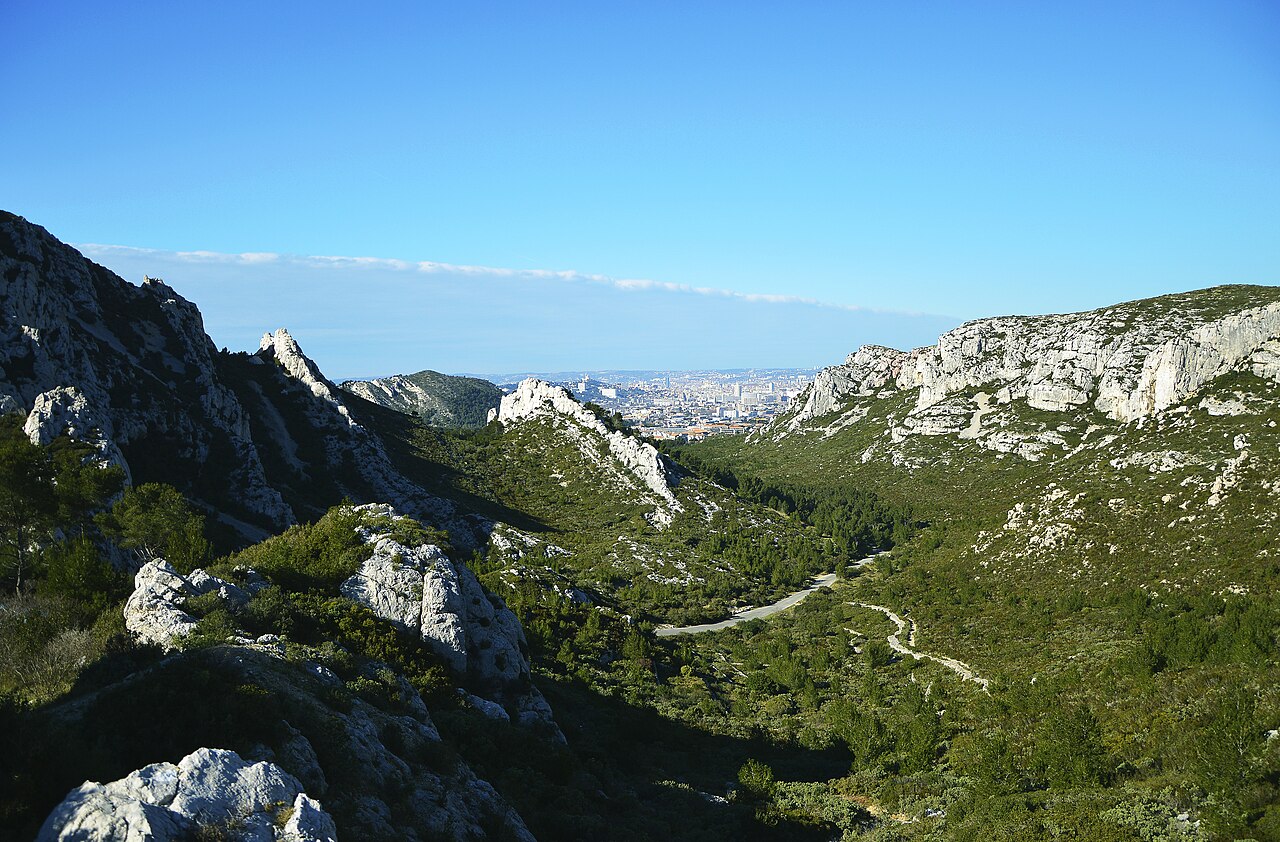
If you want to walk, a guided hike removes most of the stress. A local guide knows which routes are open, chooses a path suited to the weather, and explains the geology, the plants and the history of the coast. Guided hikes usually last half a day to a full day, and the better ones include time to swim from a pebble beach. Wear proper shoes, because the limestone is slippery and the paths are rocky, bring more water than you think you need, and carry a hat and sun protection. The route to Sugiton from the university campus at Luminy is the classic short walk, while the longer hikes to En-Vau and Port-Pin are for confident walkers.
Option two: a boat cruise with swimming
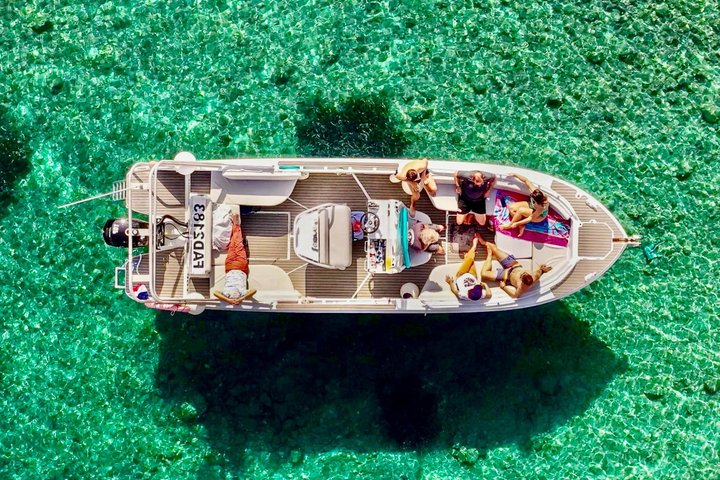
This is the easiest way to see the most in a short time, and it works in every season the boats run. A small boat or catamaran takes you along the coast, slips into several inlets and stops for a swim in clear water. You see cliffs that are impossible to reach on foot and you can combine a cruise with lunch on board. The main caveat is the wind: strong mistral or heavy seas cancel departures, so book a flexible day and keep your schedule loose. Cruises are best in the morning, when the water is calmer and the light is soft on the cliffs.
Option three: sea kayaking
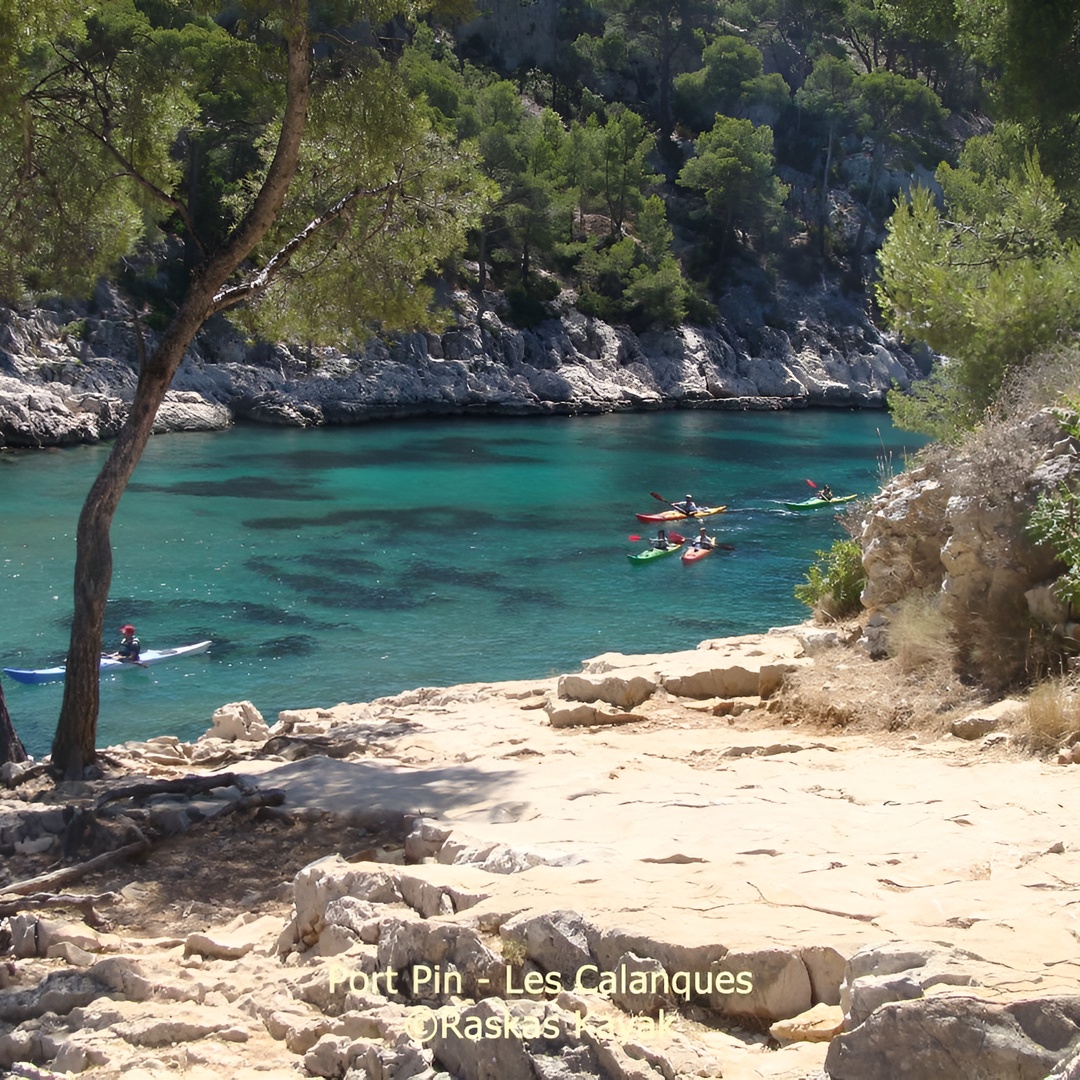
A guided kayak day is a more active alternative. You paddle from a launch point along the foot of the cliffs, into caves and small coves, and stop for a swim and a picnic. No experience is needed on a calm day, and the guides handle the safety side. It is physically demanding, with several hours on the water, but you reach places that the cruise boats cannot. Mornings are calmer, and a mistral day will usually move or cancel the trip.
Option four: e-bike or scenic drive
If you would rather cover ground than walk or paddle, an electric-bike ride along the coastal hills or a guided drive over the Route des Crêtes gives you the big views with less effort. The Route des Crêtes is the high road between Cassis and La Ciotat, with some of the most dramatic cliff scenery in France, and it suits visitors who have limited mobility or limited time. A guided drive in a small open vehicle is a fun way to do it, and it often combines a village stop in Cassis.
Which to choose
For a first visit in summer, take the boat. For spring or autumn with decent shoes and a free day, take the guided hike. For a sporty couple or friends, choose the kayak. For a short, scenic and low-effort day, choose the drive or the e-bike. Many visitors combine two: a morning cruise and an afternoon in Cassis, or a walk from Luminy followed by a swim.
What to pack
Bring more water than seems reasonable, sun protection, a hat, sturdy shoes, a swimsuit, a light towel and a small bag you can carry on your back. Take cash for small purchases in Cassis, snacks for the trail and a layer for the boat, because it can be cooler on the water than on land. Phone signal is patchy in the inlets, so download your map in advance.
Respect the place
The park is fragile. Take your rubbish with you, stay on the marked paths, do not light fires or smoke, and keep dogs out unless the rules for the day allow them. Do not jump from cliffs or swim far out when the sea is rough. If the fire-risk map shows red, change the plan without arguing, and do something else in the city instead. Marseille has plenty to offer on a day when the hills are closed.