Marseille surprises first-time visitors. It is bigger, louder and more varied than its reputation, a working port city of hills and sea where Greek history, Provençal markets, North African bakeries and world-class modern museums all sit within a few streets of each other. It does not try to charm you the way Nice or Aix do, and that is exactly its appeal. Here is how to plan a first trip.
How many days
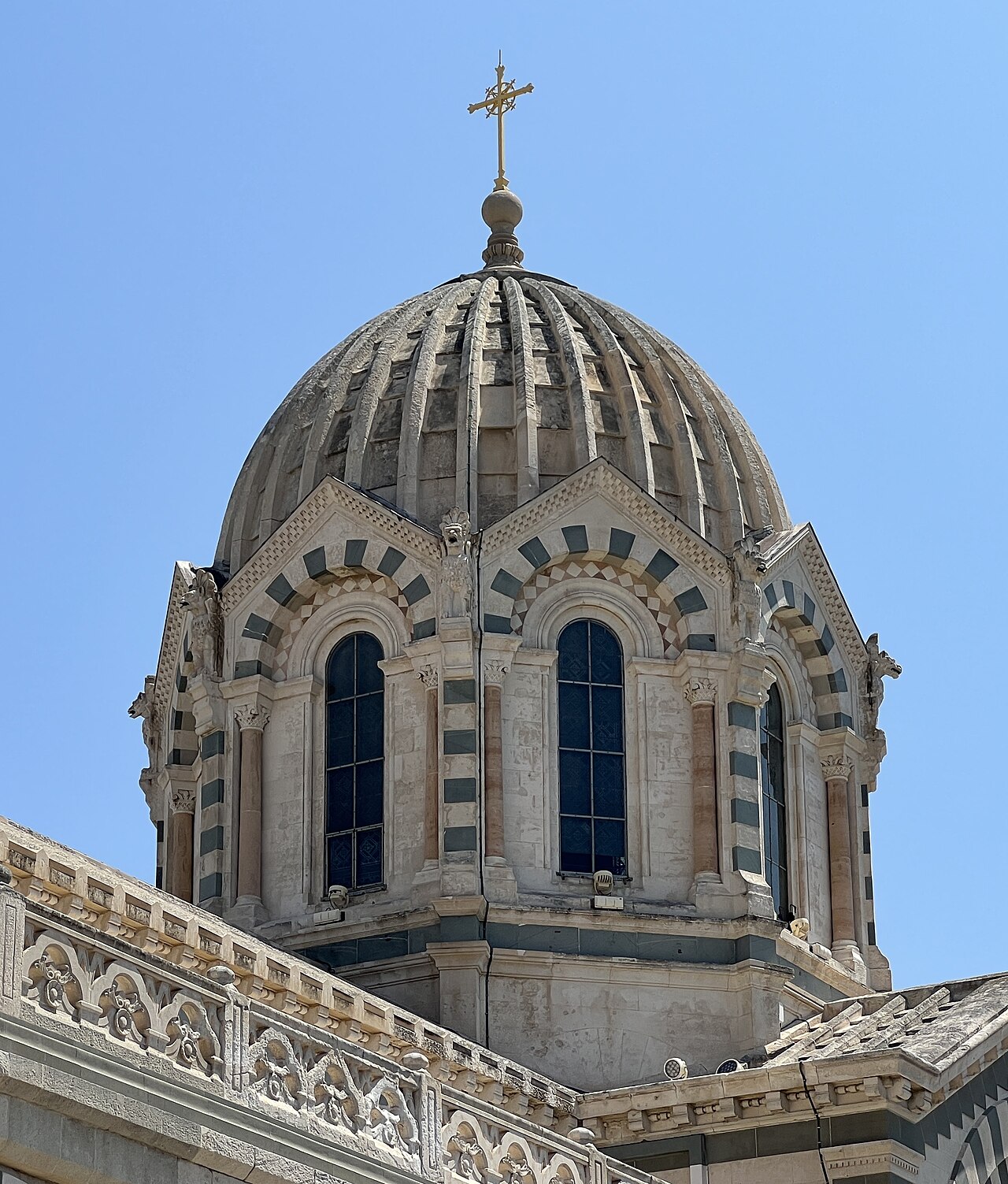
Two full days cover the city essentials: the Vieux-Port and Le Panier, Notre-Dame de la Garde, the Mucem and Fort Saint-Jean, and the Cosquer cave replica. Three days lets you add a boat to the Château d’If and the Frioul islands. Four days is the sweet spot, adding a walk in the Calanques National Park or a day in Cassis, and a trip inland to Aix-en-Provence. Marseille also makes a good base for a week in Provence, with trains and coaches fanning out in every direction.
What to book ahead
Cosquer Méditerranée runs on timed slots and sells out on rainy days and in school holidays, so book it first. The Mucem fast-track ticket saves queuing at busy times. Small-group tours, such as the Cours Julien food walk and the day trips to Cassis and Aix, are capped at six to eight guests and fill up. Bouillabaisse at a serious restaurant often needs to be ordered a day ahead. The boats to the Château d’If are bought at the quay, but buy the monument ticket in advance.
Watch the closing days
The Mucem is closed on Tuesdays, and the Château d’If is closed on Mondays and closes at 17:00 outside the April to September season. Notre-Dame de la Garde is open every day from 7:00 to 18:00, but the interior closes to visitors during services. Cosquer Méditerranée opens daily. A useful plan is to put the islands on a Tuesday and the Mucem on a Monday.
Respect the mistral and the seasons
The mistral, the strong, cold north wind, can blow for days at a time. It brings brilliant clear skies, but it cancels the boats to If and Frioul and many calanques cruises, and it makes open-top buses chilly. Keep your island day flexible. In the Calanques, the massif is open to walkers from October to May; from June to September access depends on a daily fire-risk map, and some areas close on high-risk days. This winter, Cézanne’s studio in Aix, the Atelier des Lauves, is closed for restoration from 1 November 2026.
Getting around
The centre is walkable but hilly. Two metro lines and a tram network cover the main areas: line 1 and line 2 meet at Saint-Charles station, and Vieux-Port, Joliette and Notre-Dame-du-Mont are the stops you will use most. Bus 60 climbs to Notre-Dame de la Garde, and the Colorbüs hop-on hop-off links the basilica, the Corniche and the Vallon des Auffes with the port. Shuttle boats cross the harbour and run to the islands. For Cassis and Aix, use regional trains or coaches, or a small-group tour. From the airport, shuttle coaches run to Saint-Charles.
Day one: the port and the hill
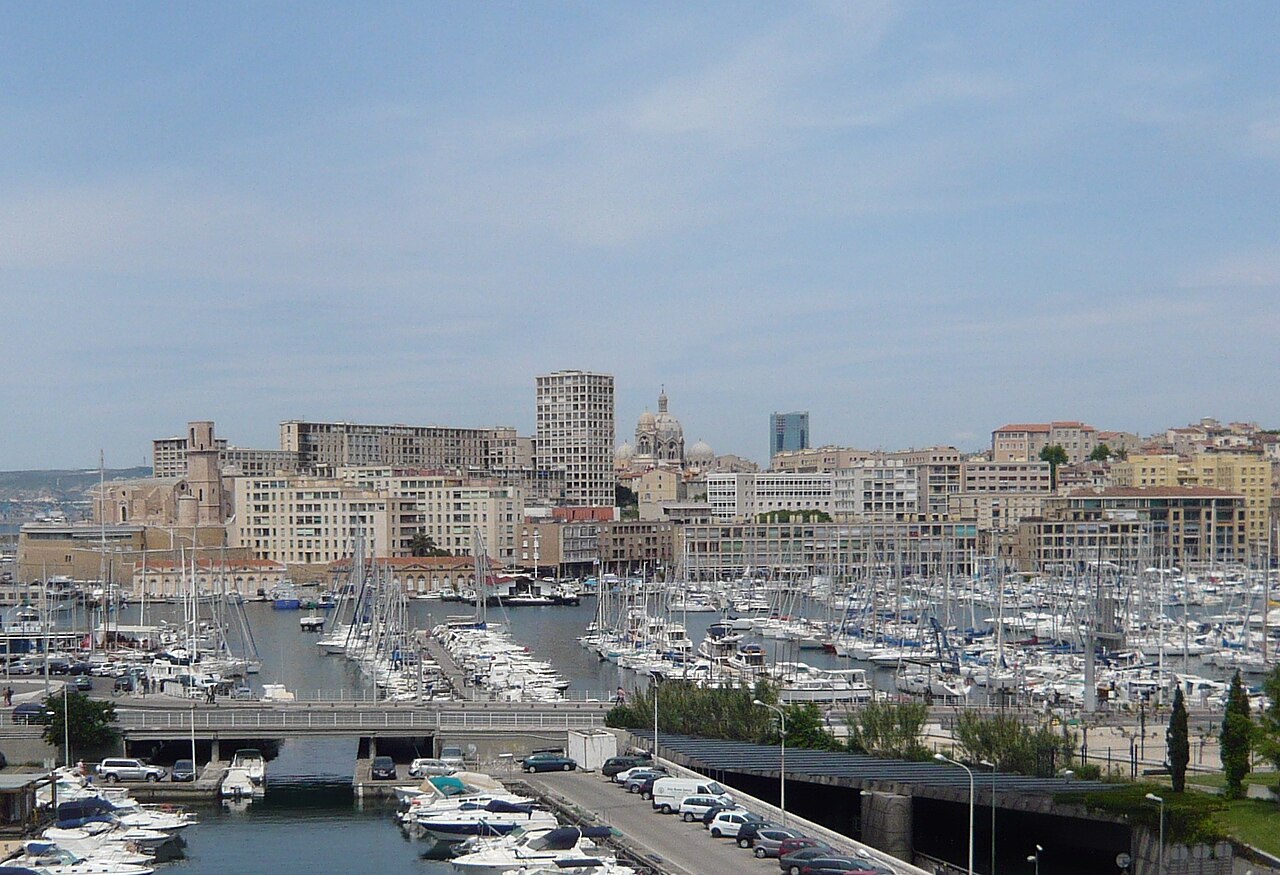
Start at the fish market on the Quai des Belges, climb into Le Panier and the Vieille Charité, then walk down to the Cathédrale de la Major and the Mucem for the afternoon. Finish with sunset at Notre-Dame de la Garde, riding up on bus 60 or the Colorbüs.
Day two: the sea
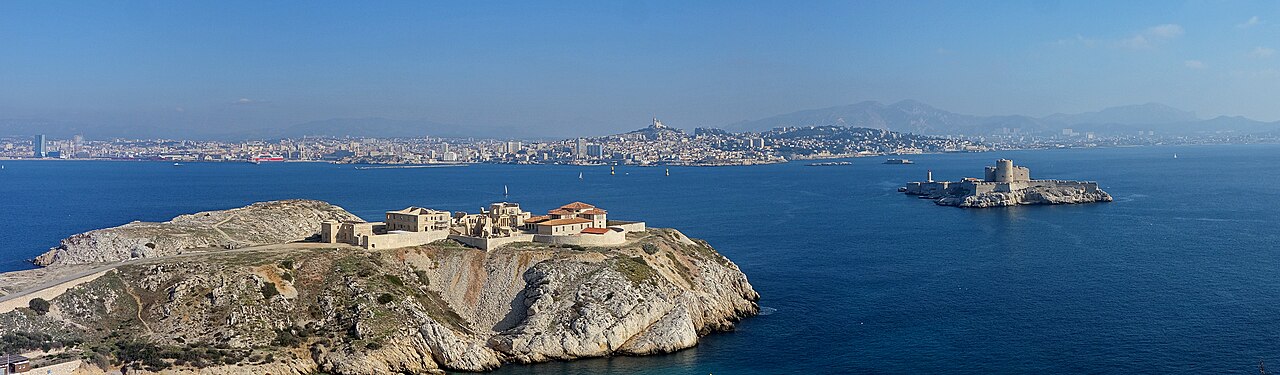
Take an early boat to the Château d’If, continue to Frioul for a walk and a seafood lunch, and return for the Cosquer cave replica in the late afternoon. Eat on the Rive Neuve or in the tiny harbour of the Vallon des Auffes.
Day three: the Calanques or Cassis
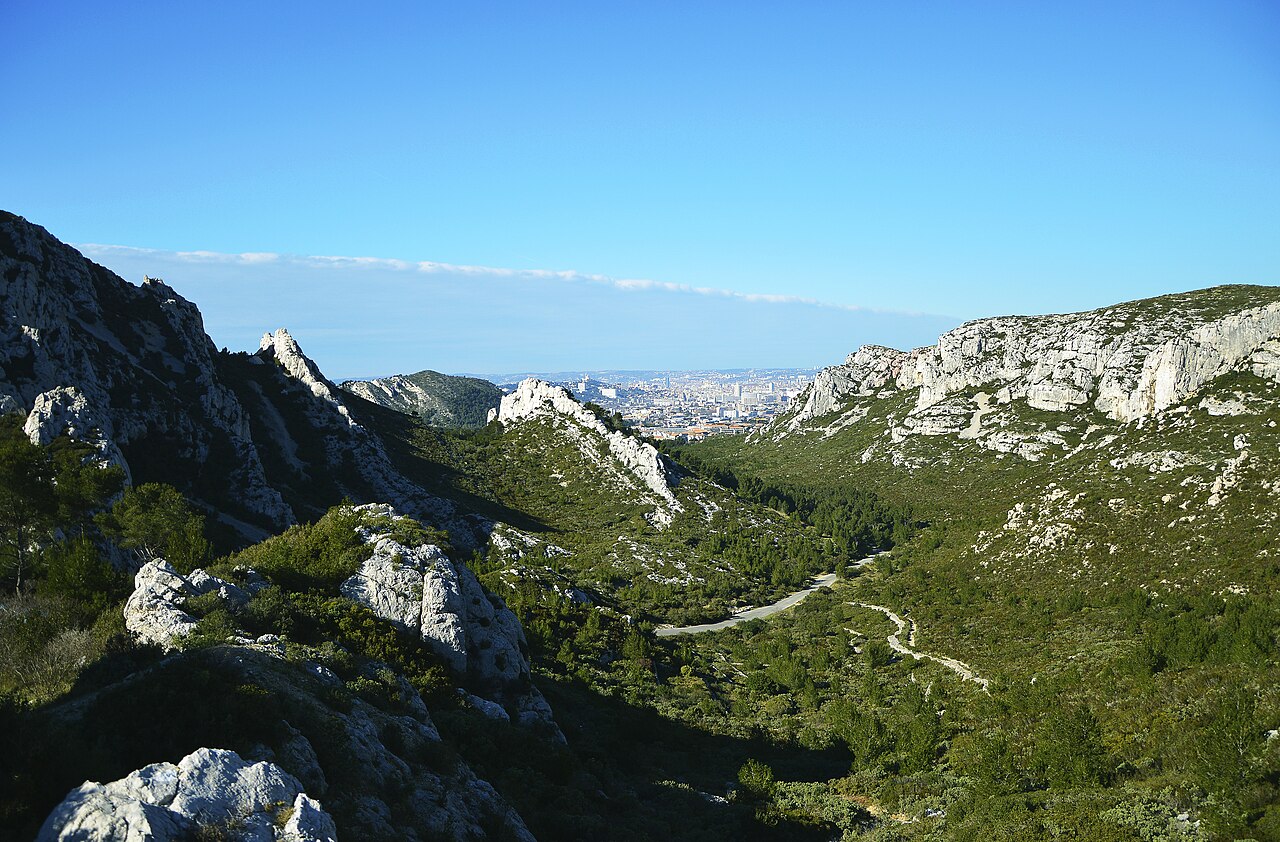
Walk to Sugiton from Luminy, or spend the day in Cassis with a boat to En-Vau. Football fans can slot in the Vélodrome tour.
Day four: Aix-en-Provence
Go by coach for the morning market and the Cours Mirabeau, or join the afternoon tour that stops at Cap Canaille and Cassis on the way.
Money, safety and manners
France uses the euro and cards are widely accepted, though bring some cash for the islands. Service is included in restaurant bills. Marseille is a big port city, so keep an eye on bags in crowds, on the metro and around Saint-Charles, and stick to busy streets late at night. Say bonjour when you walk into a shop; it goes a long way here.